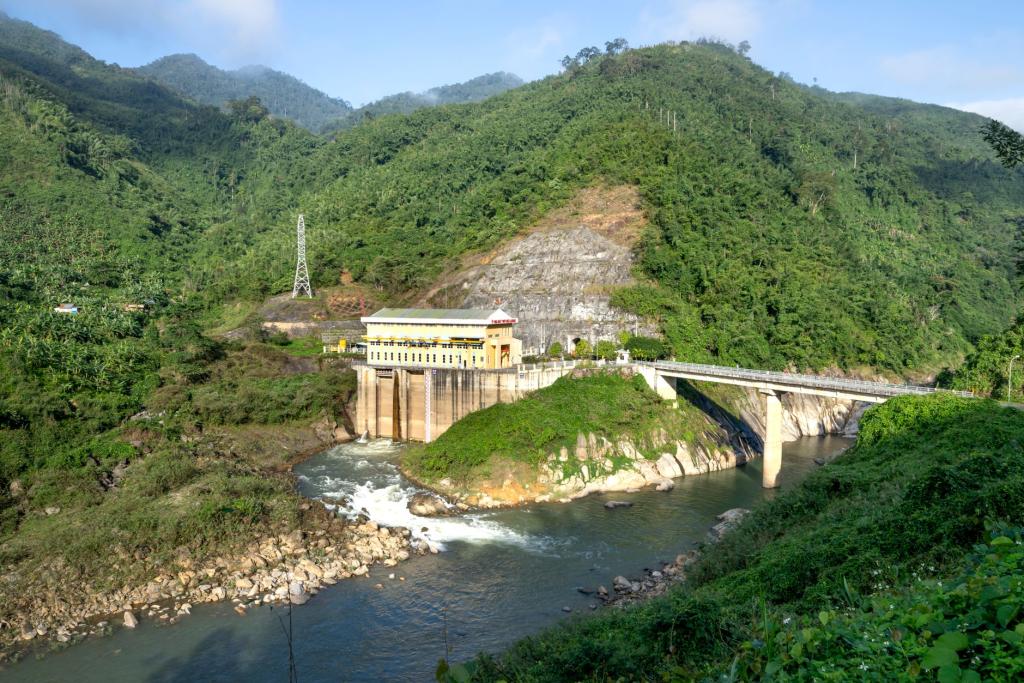
The Mactaquac Dam funding announced Tuesday is one of those quiet infrastructure stories that decides how much you pay for power for decades. Ottawa is putting almost two hundred and seventy million dollars into New Brunswick's electricity system, and most of it goes to keeping one very old, very important dam alive.
Energy Minister Tim Hodgson made the announcement at the dam, west of Fredericton on the St. John River, according to CBC News. The package has two pieces: a loan of two hundred and nineteen million dollars and a fifty million dollar contribution for a grid device at a substation.
What the loan actually pays for
The bigger chunk is a site development loan from the Canada Infrastructure Bank to NB Power. According to Natural Resources Canada, it covers technical studies, regulatory reviews, First Nations engagement and planning for the Mactaquac Life Achievement Project.
Read that carefully. This is pre-development money, not a cheque for construction. It buys the homework needed before anyone commits to a full rebuild, and it is meant to help NB Power and the province decide next steps for the site.
Why this dam matters so much
Mactaquac Generation Station is a six hundred and seventy-two megawatt run-of-river plant. The federal release says it is New Brunswick's largest renewable energy asset and NB Power's largest hydroelectric facility, supplying thirty percent of the province's renewable energy needs and twenty percent of its peak electricity demand.
The problem is the concrete. The station has suffered premature concrete deterioration that has affected critical equipment, including turbines and spillway gates. The life achievement project is a phased rehabilitation meant to let the plant reach a full hundred-year lifespan.
For anyone who grew up hearing that renewable power is the future, here is the awkward truth: the clean energy we already have needs expensive maintenance too. Losing a plant this size would mean leaning on other sources or imports, and that is the scenario this planning work tries to avoid.
The second piece: a grid stabilizer
The other fifty million dollars goes through Natural Resources Canada to NB Power for a static synchronous compensator, known as a STATCOM, at the Salisbury Terminal. CBC describes it as a device that manages grid voltage and is used for voltage stability.
Salisbury is a high-voltage substation that helps move electricity across the province and the Maritimes. Officials say the upgrade should improve stability and reliability in southern New Brunswick while making room for more renewable power as demand grows.
The bigger federal plan
Ottawa frames both projects as part of its national electrification strategy, which it says aims to double the capacity of the grid by 2050. The government says that plan could deliver up to fifteen billion dollars in energy savings by 2050, and a final version is promised by the end of 2026.
Lori Clark, NB Power's president and chief executive, called the money a vote of confidence in the province's energy future, adding that it lets the utility move critical projects forward while managing costs responsibly. Canada Infrastructure Bank chief executive Ehren Cory said the loan enables the planning and engagement work needed for the site.
Why the timing feels big
The Mactaquac Dam funding arrives as demand for electricity keeps climbing across the country. Canada already generates roughly eighty percent of its power without emissions, according to the Natural Resources Canada program page, and officials want to protect that advantage rather than lose it to crumbling infrastructure.
There is also a political angle. Keeping power affordable is a headline promise for governments of every stripe, and a failing dam would hit household bills fast. By funding the planning stage now, Ottawa and the province buy time and information before a much larger spending decision arrives.
The Salisbury project shows the same logic at smaller scale. Grid stability devices are not exciting, but without them adding wind, solar or storage can create voltage swings that threaten reliability. Fixing that early is cheaper than fixing blackouts later.
What to watch next
The key question is what the studies conclude and who ends up paying for the eventual repair bill. Ratepayers, the province and Ottawa will all have a stake, and First Nations engagement is built into the process from the start, which could shape the timeline.
For younger Canadians, the takeaway is simple. Electrification means more cars, heat pumps and data centres plugging into the same grid, so the unglamorous stuff, old dams and voltage devices, decides whether that future works. You can follow more of this coverage in our climate coverage as the story develops.
Comments 0
No comments yet. Be the first to share your thoughts!
Leave a comment
Share your thoughts. Your email will not be published.