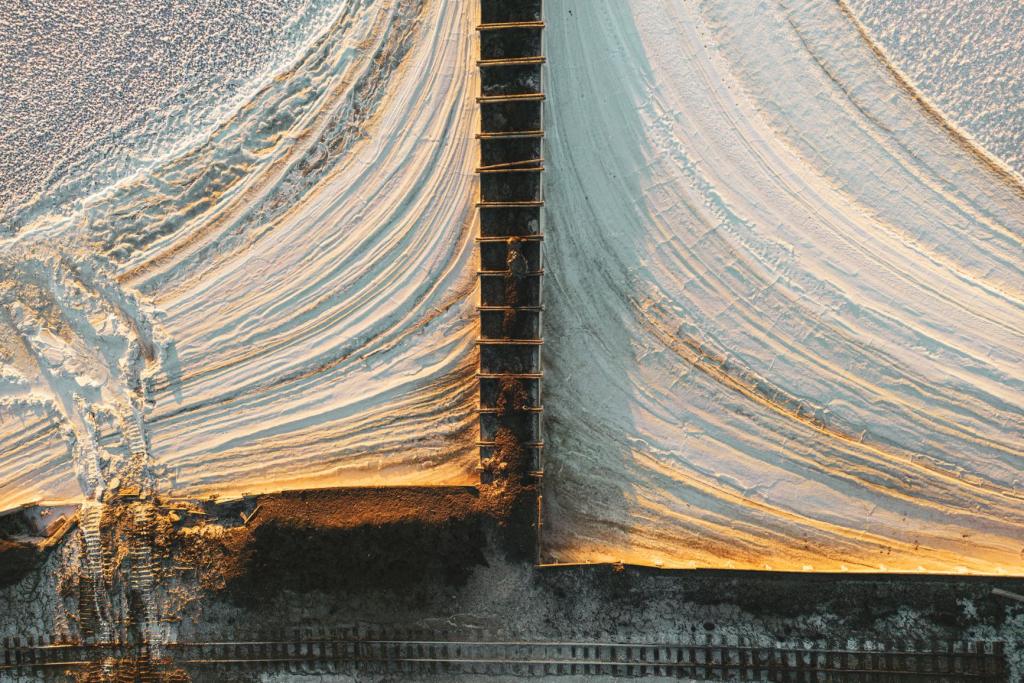
The oilsands tailings ponds problem just got a lot harder to ignore. Prime Minister Mark Carney's decision to fast-track a new oil pipeline to the West Coast has put fresh pressure on Ottawa to decide what happens to the toxic wastewater piling up in northern Alberta, according to CBC News reporting published Tuesday.
A Sixty-Year Pile of Toxic Water
Ever since the first oilsands mine opened about sixty years ago, the industry has been banned from releasing any of its used water. That rule left decades of mining wastewater sitting in huge ponds around Fort McMurray. CBC News describes the fluid as toxic and harmful to wildlife.
The ponds are also filling up. According to the Philippine Canadian Inquirer, existing storage facilities are approaching capacity, and companies are pushing for regulations that would let treated wastewater be released into the environment.
Alberta also wants to double its crude oil production. More output means more waste, so the oilsands tailings ponds problem grows right alongside the industry's ambitions.
Think of a tailings pond as a giant holding tank for everything left over after bitumen is separated from sand and clay. Nothing leaves the site, so the volume only goes one direction. Each year of mining adds more fluid, and each new project promises to add even more, which is why storage space has become the clock that the whole debate runs on.
Why the Pipeline Changes the Math
Carney announced the fast-track for a proposed pipeline to British Columbia earlier this month in Fort McMurray. Trade publication Rig and Refinery reports the line, now called Pacific Link, would carry one million barrels a day and is expected to deliver final project conditions by September of next year.
Tailings were the elephant in the room at that announcement. After the news, Treaty 8 Grand Chief Trevor Mercredi told CBC that how Canada deals with the tailings is yet to be determined, and that the concerns are heavy.
Environment and Climate Change Canada says it continues to examine options for managing oilsands wastewater. A spokesperson also noted that the Fisheries Act bars anyone from depositing substances that make water harmful to fish or their habitat.
Who Decides, and When
The Alberta government plans to outline its proposed water-quality standards by the end of the year, the Inquirer reports. But rivers fall under federal jurisdiction, so Ottawa has the final call. It could adopt the proposed rules, revise them, or keep the ban in place.
That choice is not abstract. Alternatives North, a Northwest Territories advocacy group, says the Alberta Energy Regulator has endorsed a Suncor plan to release treated tailings into the Athabasca River. The group warns that the other major mining companies could follow, sending combined discharge toward the whole Mackenzie River watershed.
The same group points to a July letter from the regulator stating that no finalized effluent limits exist yet for oilsands tailings water discharge. For anyone living downstream, that gap is the whole story.
There is also a trust issue. The Dene leaders quoted by APTN pointed to an earlier Suncor release of tailings into the Athabasca River that ended in a fifty thousand dollar fine from the regulator, which they called a slap on the wrist. Whether that is fair or not, it shows why northern communities want a seat at the table before any treated water flows.
Downstream Voices Are Loud
Indigenous leaders are not waiting around. APTN News reports that the Dene Nation has set up a water council, and leaders there say they will rely on themselves because they feel provincial rules are not being enforced and Ottawa has stayed silent.
Some Indigenous leaders are calling for oilsands production to slow down until the tailings issue is properly resolved, CBC reports. Others see the pipeline as a chance for economic opportunity, which makes the debate messy and very real.
If you care about climate and water, this is one to watch. Our climate emergency coverage keeps tabs on how Canada's energy push collides with environmental limits.
For Gen Z readers, the stakes stretch well beyond Alberta. The Athabasca flows north into the Mackenzie River basin, one of the largest watersheds in the country, and decisions made now will still matter when today's students are running the show. Climate policy, Indigenous rights and the economy are all tangled in one wastewater question.
What to Watch Next
Expect the next big marker by the end of the year, when Alberta lays out its water-quality standards. After that, the federal government has to pick a lane, and the answer will shape how fast the oilsands can grow.
The tension is simple. Canada wants more oil to export, but every extra barrel adds to a waste problem nobody has solved in six decades. Whether treated water can safely go back into northern rivers is a question for scientists, regulators and the communities who drink from those rivers.
Comments 0
No comments yet. Be the first to share your thoughts!
Leave a comment
Share your thoughts. Your email will not be published.