The reversal everyone is talking about
Teen wallets are open again. Piper Sandler's semi-annual "Taking Stock With Teens" survey, released on October 13, 2026, found that self-reported teen spending is up 6% year over year this fall, with upper-income teens up a much steeper 11%, according to Seeking Alpha's coverage of the release. That marks a sharp reversal from the spring 2026 wave, when teen spending had fallen by roughly the same margin to $2,213 a year. After months of belt-tightening, young consumers are spending like they mean it.
This is not a flash poll. The investment bank has run the survey every spring and fall since 2001, and its research page notes that more than 285,242 teens have been surveyed across 66 million data points, drawn from a geographically diverse set of high schools across the United States. When a project with that kind of history calls a turn in teen spending, brands pay attention, because the teenage consumer has made and broken retail fortunes for two decades.
The headline number matters, but the real story is underneath it: a reshuffling of winners and losers across sneakers, clothing, food, apps and gaming. Teens are not just spending more; they are spending differently. The fall wave shows a generation trading old loyalties for new ones, rewarding value and discovery over the logos that used to be automatic.
Winners: the brands teens picked this fall
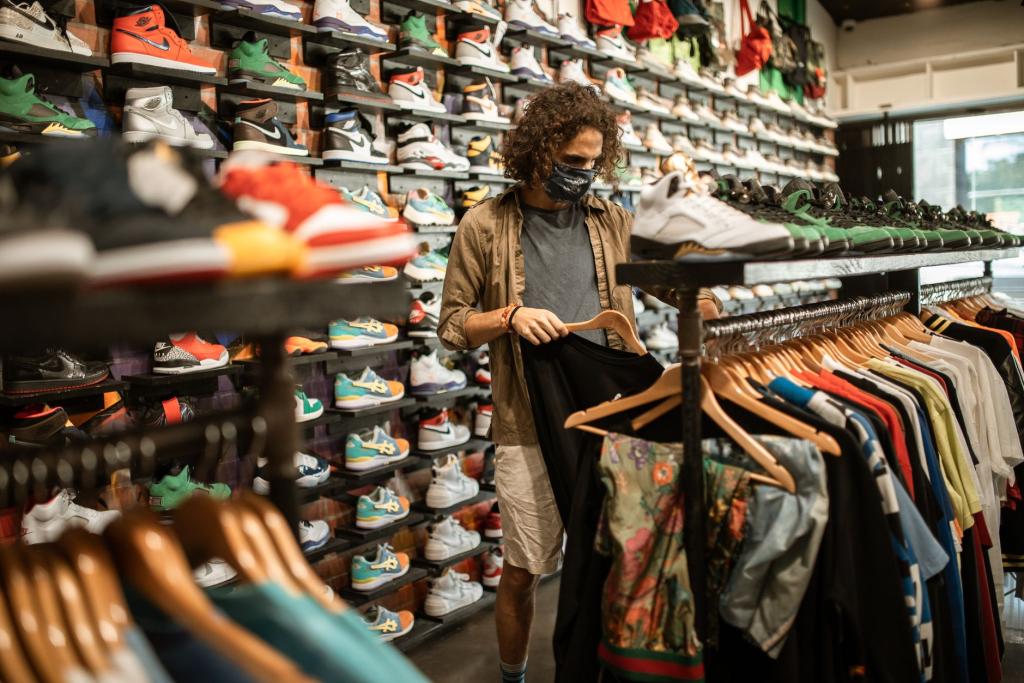
The sneaker rotation is the most dramatic shift. Nike is losing mindshare in footwear while On Running keeps gaining, especially among teen boys, according to the same coverage. The trend has been building: in the spring 2026 wave, On had already climbed past HOKA to become the fourth favorite footwear brand. What started as a runner's niche is now a status symbol in the high school hallway, and the sportswear giant's grip on the category is loosening one release at a time.
Apparel tells a similar story of the old guard giving way. Specialty retailers including American Eagle, H&M, PacSun, Hollister and Urban Outfitters now command higher mindshare, while Adidas and Lululemon are losing ground. The pattern points to a value-conscious teen: mall-friendly chains with fast trend cycles and accessible prices are winning the closet, and premium athletic labels are no longer the automatic default.
Target is the quiet winner of the whole report. The retailer posted notable gains as a key shopping destination for upper-income teens, spanning apparel, footwear, beauty, skincare and food, according to the same coverage. For a generation that grew up browsing infinite online aisles, the big-box store's staying power as a place to browse, try and buy is a genuine surprise, and a signal that curation and convenience still beat endless choice.
In snacks and drinks, the winners are familiar names in new order. Lay's from PepsiCo is the top snack brand, followed by Goldfish from Campbell. Dr Pepper is the most preferred soda, outpacing Coke and Sprite. Back in the spring, Dr Pepper and Coca-Cola were tied at 10% each with Gatorade at 8%, so the peppery outlier has now pulled clearly ahead of the cola establishment.
Losers: where teens quietly walked away
Nike's mindshare losses in footwear headline the losers' column, a notable stumble for a brand that has topped teen preference charts for years. Adidas and Lululemon joined the sportswear slide in apparel, each ceding ground to the specialty retailers climbing past them. When two of the biggest names in athletic wear both lose mindshare in the same wave, it suggests something structural rather than a single bad quarter: teens are redefining what cool looks like, and the premium-performance aesthetic is not the only answer.
Social media had its own shakeout. TikTok remains the favorite app and gained mindshare this fall, Instagram held steady, and Snapchat lost mindshare. The spring numbers had TikTok at 46%, Instagram at 31% and Snapchat at 14%; the direction since then has only widened the gap. For a generation that treats apps as infrastructure, even small shifts in mindshare decide where attention, and advertising dollars, flow.
Video habits moved too. YouTube usage time grew at the expense of Netflix and Amazon Prime Video, a sign that short and mid-length creator content is eating into the streaming giants' hold on teen evenings. Gaming pointed in a similar direction: Roblox usage improved year over year, and about 32% of teens intend to buy Grand Theft Auto 6 immediately at launch, a staggering day-one demand figure for a single title. The console and mobile ecosystems are converging around the platforms teens already live on.
Why this matters for the rest of us
Teen spending is one of the economy's early warning systems. Young shoppers adopt new brands faster, abandon old ones more ruthlessly, and broadcast both decisions across the platforms where everyone else shops. That rebound in spending, led by the double-digit jump among upper-income teens, is not just good news for retailers heading into the holidays; it is a signal that the broader consumer mood may be turning.
The deeper lesson is about loyalty. This survey has tracked teen taste for nearly 25 years, through recessions, booms, social media revolutions and a pandemic, and its clearest finding across all those waves is that no brand owns the teen wallet permanently. Nike, Dr Pepper, TikTok and Target are today's answers. The next wave will ask the question again, and the brands that assume last season's loyalty is still there will be the ones reading about their own mindshare losses in the spring.
Comments 0
No comments yet. Be the first to share your thoughts!
Leave a comment
Share your thoughts. Your email will not be published.