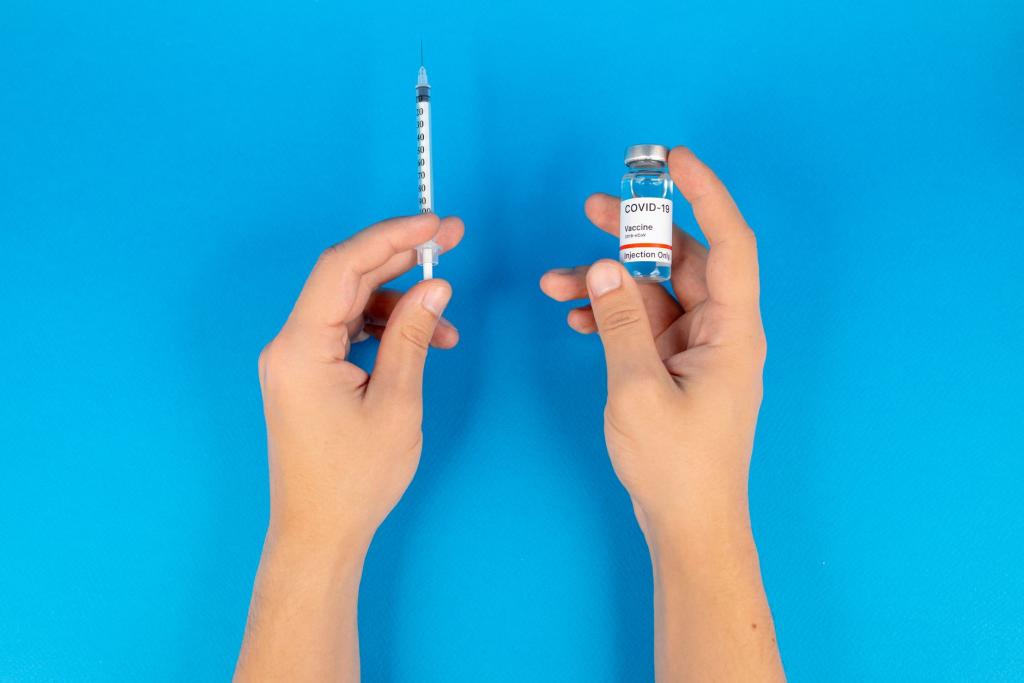
A new Lyme disease vaccine just cleared another hurdle, and this time the spotlight is on kids. According to Medscape, an investigational four-dose shot appeared safe and well tolerated in children and teens aged five to seventeen, based on phase three data presented at the American Academy of Pediatrics national conference in San Diego.
If you have ever spent a summer hiking, camping or just lying in long grass, this one hits close to home. Lyme is the tick-borne illness that can leave people with fevers, joint pain and worse, and right now there is no licensed Lyme disease vaccine anywhere for humans.
What the pediatric trial found
The vaccine is called LB6V, formerly known as VLA15, and it was developed by Valneva and Pfizer. The safety study enrolled three thousand five hundred forty-seven healthy participants across fifty-seven sites in the United States, split between younger kids and teens. Children in the younger group got shots at baseline, two months, six months and eighteen months, while others got a placebo.
The headline number is that serious adverse events showed up in one point six percent of both the vaccinated and placebo groups. Any adverse event was reported by eleven point five percent of vaccinated kids versus ten point three percent of the placebo group, according to Medscape. Most reactions were the usual vaccine stuff: a sore arm, redness, tiredness and headache.
One death occurred in the placebo arm from sepsis and was judged unrelated to the study. Researchers said the findings support the overall safety of the shot in young people and could back authorization for that age group.
A vaccine for the tick, not just for you
Here is the weird and kind of brilliant part. Paul Offit of Children's Hospital of Philadelphia explained to Medscape that this Lyme disease vaccine works like a vaccine for the tick. Your body makes antibodies against a surface protein called OspA, and when a tick bites you, it swallows those antibodies, which neutralize the bacteria inside the tick before they can reach you.
That also means the antibodies have to be floating around in your blood at the moment of the bite. So boosters may be needed after the first series, and studies are checking how often.
Why people still remember LYMErix
This is not the first time a Lyme shot has existed. A vaccine called LYMErix was approved in nineteen ninety-eight and pulled by its maker in two thousand two, after low sales and lawsuits over side effect fears that were later found to be unfounded.
The new version tries to fix the old weak spots. It covers six OspA serotypes instead of one, which matters because the strains in Europe differ from those in North America. Offit also noted that it removes at least the theoretical worry about autoimmune reactions that dogged the old shot.
The efficacy numbers are good, with an asterisk
Safety is only half the story. In the big adult and child efficacy trial called VALOR, Pfizer and Valneva reported efficacy of seventy-three point two percent in the first prespecified analysis, but the confidence interval lower bound missed the planned cutoff because fewer Lyme cases than expected piled up, according to Valneva.
A second analysis showed seventy-four point eight percent efficacy and did meet the statistical bar. Yahoo Finance reported that the trial covered nine thousand four hundred thirty-seven people aged five and older across the United States, Canada and Europe. The European Medicines Agency has already accepted the application for review.
What happens next
Nothing here means you can book a Lyme shot tomorrow. The vaccine is still investigational, and regulators have to finish their reviews before anyone gets it at a pharmacy. Analysts quoted in market coverage expect the European review to wrap up in late twenty twenty-seven.
Offit told Medscape he thinks the shot will likely be licensed. He also said a strong, routine recommendation from the US vaccine advisory committee would matter a lot for public trust, since a weak recommendation helped sink LYMErix.
Until then, the tick basics still apply: use repellent, wear long sleeves in wooded areas, and check your skin and your pets after time outside. For more on how the world is racing against disease, browse our health coverage. The big takeaway is that kids are the age group with the highest Lyme rates, so a safe pediatric option would be a real shift for families who live in tick country.
Comments 0
No comments yet. Be the first to share your thoughts!
Leave a comment
Share your thoughts. Your email will not be published.