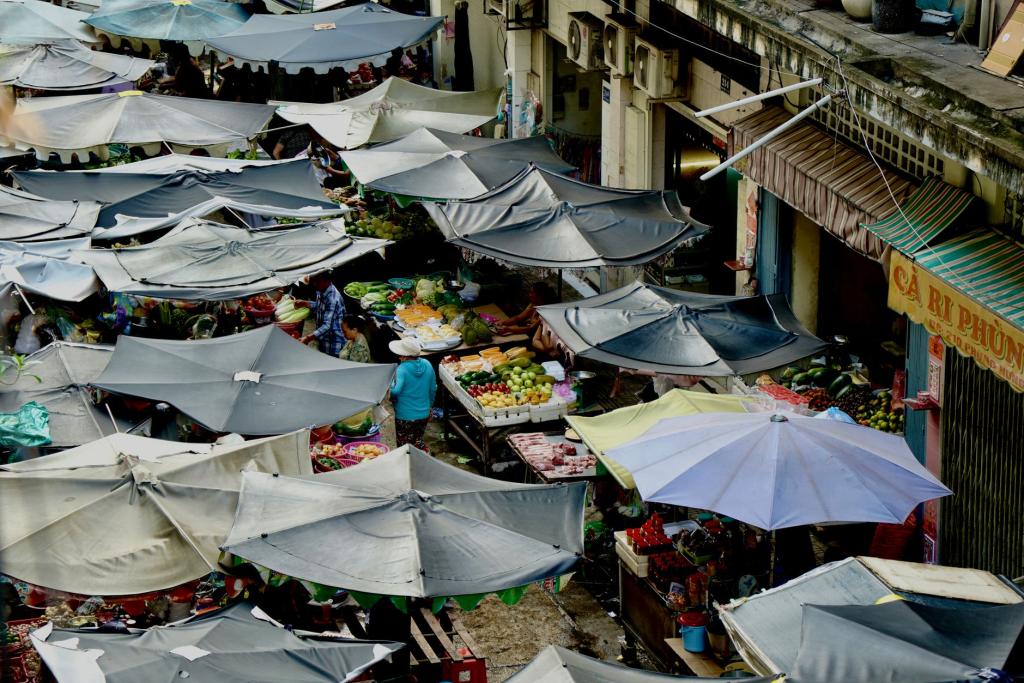
Myanmar's military dropped bombs on a crowded wholesale market in Kyauktaw on September 28, 2026, in one of the deadliest attacks on civilians in Rakhine this year. Around midday, at the peak of trading hours, a fighter jet released two bombs — at 12:10 p.m. and 12:14 p.m. — near the India Market and the Kissapanadi Bridge, according to the Associated Press. The market is the region's main wholesale center, with more than 200 shops run by people from multiple communities, including Rakhine, Rohingya, Hindu and Daingnet traders.
The death toll climbed as rescue teams worked through the wreckage. The first reports, based on information from the Arakan Army and local aid worker Wai Hun Aung, said at least 33 people had been killed and 36 wounded. The armed group later revised its account: 49 civilians killed, 58 injured, with at least 22 of them in critical condition. Reuters and the United Nations subsequently put the number of dead at about 50. The strike is the deadliest such attack in Rakhine since a December hospital bombing that killed at least 30.
Vendors, shoppers, pedestrians and transport workers were among those killed and wounded, and local rescuers said women and children were among the dead. Photos from the scene showed buildings on fire, wrecked vehicles and damage around the nearby bridge. Wai Hun Aung described the strike as one of the most severe airstrikes the region has seen. The attack hit territory held by the ethnic armed group, which has been fighting the military in Rakhine since late 2023. The wider conflict has killed around 100,000 people and displaced over 3.5 million since the military seized power on February 1, 2021.
Why Myanmar's strike drew global condemnation
The condemnation arrived in waves. On September 29, the UN expressed alarm at the reports, with spokesperson Stephane Dujarric telling a briefing in New York that Secretary-General Antonio Guterres "strongly condemns the attacks" and had called on all parties to end the violence, protect civilians and comply with their obligations under international law, Reuters reported. Dujarric added that the continuing violence underscored that conditions did not currently exist for the safe return of refugees and other displaced people to Myanmar.
A day later, the UN's top human rights official raised the legal stakes. UN High Commissioner for Human Rights Volker Türk said the attack raised "serious concerns about respect for international humanitarian law," pointing to the principles of distinction, proportionality and precautions in attack that are meant to protect civilians and civilian objects, the UN human rights chief said. The strikes, he added, underlined the "grave plight" of civilians across Myanmar, felt "none more so than in Rakhine State."
Then, on October 1, 2026, MSF warned that the casualty count could still rise. Dr Mark Sherlock, MSF's medical programmes manager for Myanmar, said at least 60 survivors, including women and children, had been maimed or severely burned, and that at least 17 patients were in critical condition, MSF said in a statement. With only a few functioning hospitals left in central Rakhine, he said health workers were being pushed to the edge of collapse by shortages of medicines, equipment, staff and even food — and that many civilians were now afraid to travel for care. His message was blunt: "Stop bombing civilians, stop bombing hospitals."
Myanmar and the laws of war: what the principles mean
So what do those principles actually mean? Distinction is the rule that armies must tell fighters apart from civilians — and target only fighters. Proportionality says an attack must not cause civilian harm that is excessive compared to any military advantage. And precautions means planners must do everything feasible to minimize civilian casualties, from the weapons they choose to the timing of a strike. Bombing a packed wholesale market at midday is exactly the kind of operation those rules were written to prevent.
The military has not commented on this specific attack, but it has previously said it exercises "maximum restraint" and strikes only legitimate military targets — a claim rejected by rights groups and by the armed group holding Kyauktaw. That group accused the military of deliberately targeting densely populated markets, schools, homes and residential buildings, and vowed to take what it called "corresponding and appropriate retaliatory measures" against those responsible, saying it had documented the identities of the commanders and personnel involved.
What accountability and recovery could look like in Myanmar
For now, the pressure is diplomatic and legal rather than judicial. The UN chief urged all parties to allow safe, sustained and unimpeded humanitarian access, while the rights chief's statement adds to a growing documentary record that investigators could one day use in war-crimes proceedings. The country's health system, meanwhile, is barely standing: MSF noted that almost 2,000 attacks on healthcare have been documented in the country between 2021 and 2026, including two attacks in the past nine months on facilities once supported by MSF itself. With clinics closing to avoid attracting crowds and mobile health teams cutting back, the wounded from Kyauktaw face a long road to treatment.
The UN's warning about unsafe conditions for returns also landed in the middle of a regional dispute. Malaysia repatriated 1,476 Myanmar nationals on September 29, 2026 — including 27 children, some reportedly as young as eight — in the first phase of a repatriation plan it described as voluntary. On October 1, 2026, Malaysia's human rights commission urged the government to halt further returns until an independent authority can assess each person's risk, warning that sending people back to a country at war can breach the international ban on refoulement, SUHAKAM said. More of GenZ NewZ's reporting on crises like this lives on the human rights topic page.
Comments 0
No comments yet. Be the first to share your thoughts!
Leave a comment
Share your thoughts. Your email will not be published.