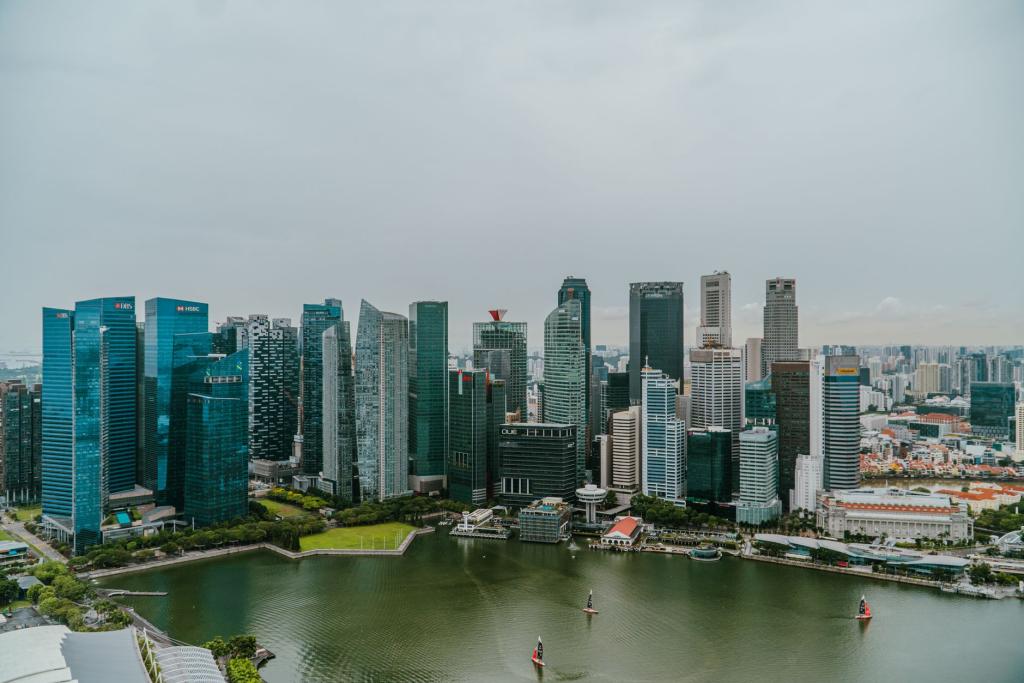
The Indonesia wildfire haze just went from a local emergency to a regional crisis. On Wednesday, Singapore's air pollution hit its highest reading of the year, while East Timor shut every school in the country for three days. If you have been scrolling clips of orange skies and vanished skylines, this is why.
Singapore Hits Its Worst Air of the Year
According to Reuters, Singapore's one-hour fine particle reading climbed to two hundred eighty-four micrograms per cubic metre in the western part of the island. That pushed it into the National Environment Agency's "very high" band for the first time during the current haze period. The World Health Organization's recommended annual exposure is just five micrograms, so the city-state was breathing air that was dozens of times over the guideline.
Singapore has already rolled out subsidies for haze-related medical treatment, a measure last switched on in two thousand fifteen, according to the Manila Times. Residents have also been handed N95 masks. Singapore passed a law in two thousand fourteen that lets it act against firms contributing to haze, but enforcement has been tricky ever since Jakarta pushed back in two thousand fifteen. The skyline that normally sells postcards, from Marina Bay Sands to the old port terminal, has faded into a grey-brown shadow.
East Timor Closes Classrooms
East Timor's government announced it is suspending face-to-face learning nationwide for three days starting October fifteenth. In its statement it cited "contamination by pollutant particles from wildfires in neighbouring regions or countries," as quoted by Reuters. The government did not name Indonesia, but the country shares an island with part of Indonesia's East Nusa Tenggara province, where a number of hotspots have been reported.
Officials urged families to keep children indoors and to use respiratory protection if they have to go out. Several Malaysian states, including cities like Johor and Melaka, have also shut schools this week, according to The Edge Singapore. Malaysia's prime minister Anwar Ibrahim also contacted Prabowo last week about the smog, and the country's foreign minister said Malaysia will seek more effective regional mechanisms to address transboundary haze. For students, that means a surprise stretch of online class or no class at all.
The Worst Fire Season in Years
Reuters reports that Indonesia is battling its most intense wildfire season in eleven years, fuelled by dry weather linked to El Niño. The BBC reports that the independent monitoring platform Nusantara Atlas has recorded more than one million hotspots and about nine hundred thousand hectares burned. In Central Kalimantan, Indonesia's own air pollution index topped one thousand two hundred on Wednesday, four times the level the country labels hazardous.
Many of the fires start with slash-and-burn land clearing, which is illegal but hard to police. Peatland makes it worse. Indonesia's disaster agency says peat fires smoulder under the surface and can flare back up at any time, which is why officials say the only real fix is sustained rainfall. The government has sent more than sixty-nine thousand firefighting personnel, up from about forty-four thousand in mid-September, and is testing special chemicals to put out the blazes.
Who Gets the Blame
The politics around the Indonesia wildfire haze are getting as heated as the air. Indonesia's president Prabowo Subianto has called slash-and-burn farming "ecological terrorism," according to the BBC, and authorities suspended the operating licences of twenty-six companies linked to the fires. A Greenpeace report also named Singapore-based First Resources and Malaysia's Kuala Lumpur Kepong as having subsidiaries on land where haze source points were recorded. Both companies told the BBC they maintain zero-burning policies.
Tempers flared further after an Indonesian government communications chief said "when there is no smoke, we send oxygen," a clip that spread widely and drew ridicule across the region. Meanwhile, Malaysian lawmaker Syed Saddiq called on Southeast Asian nations to lodge a diplomatic protest against Jakarta. Foreign ministers are set to discuss transboundary haze at an ASEAN meeting next month.
Why This Matters Beyond Southeast Asia
This is a preview of how climate and land use collide. A strong El Niño dried out the peat, companies and farmers lit fires, and a whole region now pays with its lungs. Indonesian authorities say more than two hundred eighty thousand respiratory problems have been recorded in affected areas since August, according to AFP via RFI.
For young people in the region, the practical takeaways are simple: check your local air quality index, wear a fitted N95 rather than a cloth mask, and keep windows shut on bad days. For everyone else, it is a reminder that the climate story is not abstract. You can follow more of our climate emergency coverage as the haze crisis develops, and watch whether the rains arrive before the diplomatic fallout does.
Comments 0
No comments yet. Be the first to share your thoughts!
Leave a comment
Share your thoughts. Your email will not be published.