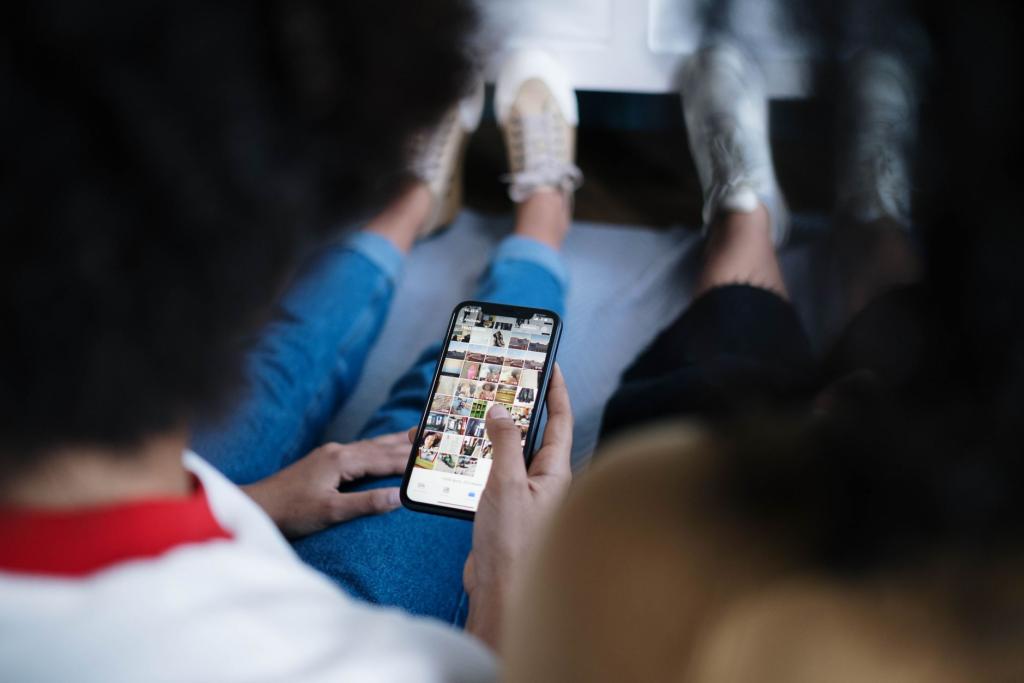
The midterm elections on November 3, 2026 are being decided in group chats, For You pages and creator comment sections. A new Sprout Social survey finds that social media posts have informed or changed the voting opinions of fifty-five percent of Americans ahead of the midterms, and the number climbs to seventy-nine percent among Gen Z. Nearly half of Gen Z respondents, forty-eight percent, said a social post changed their opinion outright. For the youngest voters, the feed is no longer just where they find out about the election. It is where Gen Z votes get decided, according to the survey findings released through GlobeNewswire.
The research, released October 6, 2026 by the Chicago-based social media management company, surveyed American adults ahead of the election season. According to the findings reported through GlobeNewswire, the influence is concentrated where young people actually spend their attention. Television remains the top source of midterm election news for Americans overall, but social media ranks first among Gen Z and Millennials. More than one in five of those younger users say they plan to lean on social media even more as Election Day approaches, and Gen Z is nearly twice as likely as the general population to rely on creators and influencers they follow for election information.
Creators have become the new campaign trail
The shift is structural, not just a mood. When asked where they follow election news, young voters put social feeds ahead of cable news, which means candidates who ignore the platforms are effectively skipping the rooms where their youngest constituents are listening. Seventy percent of Gen Z follows at least one politician on social media, compared with fifty percent of Americans overall, according to the survey. That direct line runs both ways: one-third of Americans say a politician seems more approachable when they post about their policies, a figure that rises to forty-two percent among Millennials.
That approachability effect is doing real work for campaigns. A candidate who explains a policy in a sixty-second video can reach a voter who would never watch a televised town hall, and the survey suggests the format itself builds a sense of personal connection. For Gen Z, the line between entertainment feed and civic information has blurred past recognition. The same scroll that surfaces memes and music clips also surfaces candidate stances, voting deadlines and arguments about what is at stake, all delivered by voices the viewer chose to follow. That is the mechanism by which Gen Z votes are moving.
The trend lines up with what youth researchers are finding elsewhere. A SuperAwesome study released this week found that content winning with teens reaches four times as many young adults as young-adult content reaches teens, underscoring how much cultural gravity now sits with the youngest audiences. Politicians are adapting to that gravity: the candidates showing up natively on the platforms, speaking the language of the feed rather than reading press releases into a camera, are the ones converting attention into votes.
The deepfake problem nobody has solved
Here is the counterweight, and it is heavy. The same survey that shows social media deciding votes also shows voters terrified of being manipulated through it. Eighty percent of Americans say they worry about encountering AI-generated deepfakes of political candidates during voting season, with forty percent describing themselves as extremely concerned. The fear is not abstract: when people learn a political ad was AI-generated, thirty-five percent say it makes them skeptical of all political ads, and twenty-nine percent say they would trust the politician behind it less.
That creates a trap for campaigns. The platforms where young voters live are also the platforms where a convincing fake is cheapest to make and fastest to spread. A single viral deepfake can poison trust in everything around it, which is why the survey's trust numbers matter as much as its influence numbers. The more elections are fought through the feed, the more valuable the feed becomes as a target, and the harder it becomes for real content to compete with manufactured outrage.
Researchers who study media literacy say the answer is not to log off. It is to treat the feed the way you would treat a stranger handing out flyers: check who is behind the account, look for the same claim from a newsroom with a reputation to protect, and be suspicious of anything that makes you furious within three seconds. Platforms have added labels and detection tools, but the survey suggests voters are right to stay skeptical, since detection still lags behind generation.
What to watch before November 3
The midterms are now less than three weeks away, and the survey points to a few things worth watching. First, expect candidates to flood the zone on short-video platforms, where the approachability effect is strongest. Second, watch for the deepfake incidents: the survey's worry numbers practically guarantee at least one viral fake will test how platforms and newsrooms respond under pressure. Third, pay attention to the creators. The finding that Gen Z leans on followed influencers nearly twice as much as the average voter means a creator endorsement can now carry the weight a newspaper endorsement once did, without any of the editorial standards.
For young voters, the practical takeaway is straightforward. Social media has earned its place as a real source of political information, and there is nothing naive about learning from the feed. But the same survey that proves its power proves its danger: the posts shaping Gen Z votes could be real, could be spun, or could be generated by software. Verify before you share, check the original source before you believe, and remember that the candidate who looks most authentic in your feed may simply have the best content team. Your vote still counts the same on November 3, 2026, no matter where you made up your mind. The stakes are already visible in this election season, from suspicious letters hitting election offices to teens setting the cultural agenda everyone else follows.
Comments 0
No comments yet. Be the first to share your thoughts!
Leave a comment
Share your thoughts. Your email will not be published.