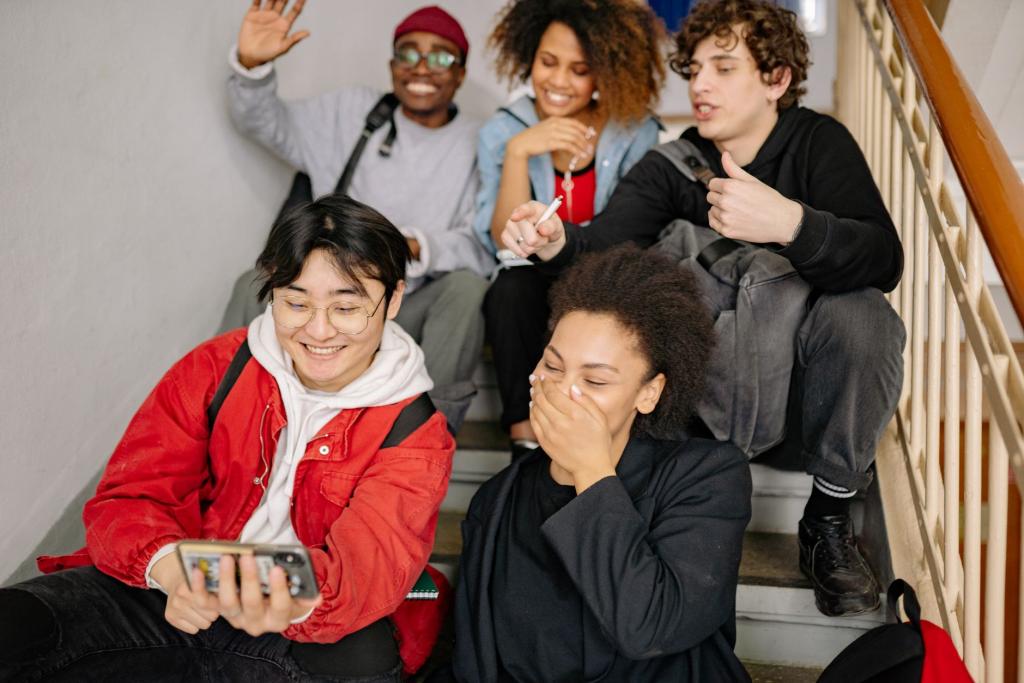
The group setting the cultural agenda in 2026 is not twenty-somethings or professional trend forecasters. It is teenagers. A new study from SuperAwesome, a company that builds safe digital experiences for young audiences, finds that teens are the ones originating the content, trends and buying habits that everyone else ends up following. The research, known as the Culture Makers study, draws on more than five hundred million opt-in digital signals from over nineteen hundred teen and young adult devices, combined with linked surveys and more than a hundred in-depth interviews with young people in the United States.
The headline finding flips a long-standing assumption in marketing. Content that wins with teens reaches roughly four times as many young adults as content that wins with young adults reaches teens, according to Advanced Television, which covered the study's release this week. Instead of younger audiences looking upward for inspiration, the cultural current is running in the opposite direction.
The pattern holds across platforms. On the short-video apps, the clips teens love most reach young adults just as widely as they reach teens, and sometimes more. By contrast, the videos young adults love most lose between a third and nearly half of their teen audience. Teens, the researchers suggest, operate in discovery mode: sampling more channels, scanning more content and passing finds to friends in real time.
Young adults, meanwhile, are playing catch-up. They are nearly eight times more likely than teens to search for explanations of cultural references, a sign they are working to keep up with a digital culture teens are shaping. Teens, the researchers suggest, are simply further ahead on the timeline of what spreads online. The viewing habits reflect that gap: more than three in four young adults say they watch content that seems made for a younger audience, a habit reflected in the popularity of The Summer I Turned Pretty among viewers in their late teens and twenties.
From Bedrooms to the Box Office
Teens do not just spread culture. They often originate it, and mainstream entertainment is already feeling the shift. Kane Parsons started posting his Backrooms horror series on YouTube at sixteen, and this year his feature film delivered the biggest opening weekend in the history of studio A24. Curry Barker built his audience with homemade horror shorts before Obsession, made for about three-quarters of a million dollars, became the highest-grossing release in the history of Focus Features. Creators now take ideas straight to audiences, and teens are usually the first to find them, share them and carry them into the wider culture, according to the researchers.
Recommendations carry more weight than advertisements in this world. More than seven in ten teens say they trust creator recommendations over random ads, and creators frequently spark the ideas teens go on to share, often through private group chats rather than public feeds. The creator-first habit is part of a wider fan-culture economy, where fandoms now power campaigns as visible as a K-pop group's K-drama fan celebration.
The New Path to Purchase
The same teen-led logic shapes how products move. Roughly three in four teens buy things they first saw on social media, yet only a small share finish the purchase inside the app where they spotted it. Instead, they tend to check out through one or two familiar shopping apps such as Amazon or Walmart, keeping the transaction separate from discovery. More than a third discover products online and complete the transaction somewhere else entirely, which shows how digital discovery and real-world spending often happen in different places.
The influence reaches the family wallet as well. Nearly three in four parents say they are likely or very likely to buy what their teen asks for. From snacks to entertainment, teen preference is translating into genuine retail power: more than four in ten household purchases are decided by the teen but paid for by a parent. That sway over household spending fits a wider openness, since Gen Z talks about money more openly than any other generation, which makes teen-led purchase decisions harder for parents to ignore.
Why This Changes the Playbook
For readers, the takeaway is practical. Teens are not just consuming culture; they are the audience that studios, platforms and advertisers are quietly trying to read. For brands, the message is that marketing aimed at young adults first will arrive late to trends teens already moved past. The company's chief executive Kate O'Loughlin said the research overturns the old idea that young adults drive trends, adding: "It's teens who are imperative for brands wanting to be part of what's new." Brands that want to stay relevant will need to listen where teens actually talk, in group chats, feeds and games, rather than commissioning another trend report aimed at adults, the researchers argue.
Some caution is warranted. The study rests on opt-in device data, which can skew toward the most digitally active young people, and the interviews were conducted in the United States. And while teens may set the agenda, young adults still control more of the spending power brands ultimately chase. Even so, the direction of travel is hard to miss. In 2026, the cultural conveyor belt starts in the teen group chat and moves outward. Everyone else is just trying to keep up.
Sources: the original study coverage; Toy World Magazine; Wisevoter; the full report from SuperAwesome.
Comments 0
No comments yet. Be the first to share your thoughts!
Leave a comment
Share your thoughts. Your email will not be published.