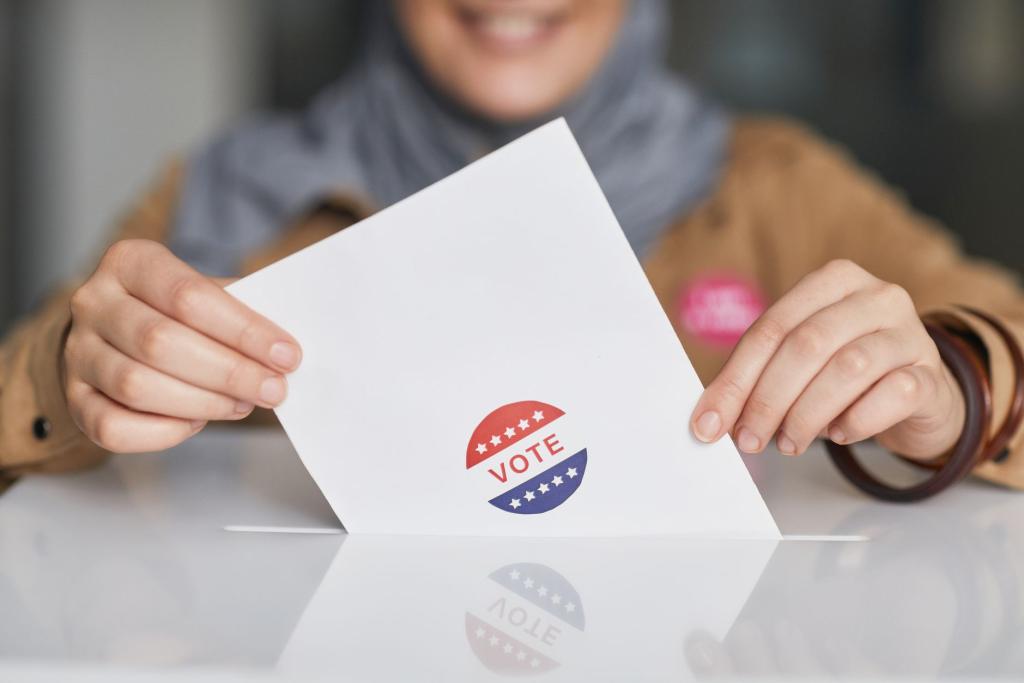
Federal investigators are chasing suspicious letters that landed at election offices and congressional offices across the country this week, and some of them held an unknown powdery substance. The mailings arrived just three weeks before Election Day, and the scale of the scare is already making election workers and lawmakers rethink how safe the final stretch of the campaign really is.
What officials have confirmed so far
The FBI said on Thursday that it is investigating a series of suspicious mailings sent to addresses nationwide, including Secretary of State offices and their related election offices. According to the statement the bureau gave to USA TODAY and other outlets, some of the letters contained an unknown substance, and agents are working with law enforcement partners to respond to each incident and to identify whoever is responsible.
The U.S. Postal Inspection Service is working the case alongside the FBI and Capitol Police. The Associated Press reported that authorities are urging recipients to treat the mailings as potentially hazardous, and that the Senate was warned in a message from the Senate Sergeant at Arms. That same alert said law enforcement is trying to intercept any additional letters before they are delivered, which means more could still turn up.
Which offices got hit
The list keeps growing. According to the BBC, the letters went to at least five Democratic senators, including Alex Padilla of California, Chris Murphy of Connecticut and Kirsten Gillibrand of New York. The BBC, citing CBS News, also reported that Chuck Schumer and Lisa Blunt Rochester of Delaware were sent suspicious mail. Most of those pieces were intercepted before they reached staff.
On the state side, Louisiana and Oklahoma both said they received letters holding white powder. The Louisiana Secretary of State office was evacuated on Tuesday after a staff member opened a package, and it has since reopened after law enforcement found no evidence of harmful substances. Delaware's Department of Elections said it opened a letter with white powder on Thursday and followed its security protocols for suspicious mail.
Other states say they were targeted but the mail never made it inside. Ohio Secretary of State Frank LaRose said his letter was intercepted, and officials in New Hampshire and Washington said the same. Pennsylvania's Department of State said the Postal Service blocked delivery of a suspicious letter on Wednesday, while Votebeat reported that Nebraska turned an identical envelope over to the FBI without opening it.
How big could this get
Here is the part that stands out about the suspicious letters. According to Votebeat, three election officials briefed on the investigation were told that more than one hundred letters were sent to people and groups across the country. The outlet later corrected its headline to make clear that nobody yet knows how many of those went to election officials and how many went to politicians or other recipients, so that number is still a moving target.
The FBI has not confirmed specific cases, and federal authorities have declined to say how many offices were targeted. Whether the congressional letters and the election office letters are linked is also unclear, CNN reported, which is a big open question for investigators trying to trace a single sender or several.
Not the first time, and that matters
Election workers have seen this movie before. The BBC noted that before the 2024 election, officials in seventeen states received suspicious packages, and a year earlier, suspicious envelopes, some laced with fentanyl, were sent to election offices in at least five states. Nebraska's Bob Evnen said this was the second time a suspicious envelope had been delivered to his office, after one in 2024.
That history is why the suspicious letters have election officials sounding more frustrated than shocked. Padilla called the incident "a stark reminder of the very real danger facing those who serve the public and who help administer our elections in the face of increasingly hostile political rhetoric," according to a statement he gave the BBC.
Will it change the vote?
Officials are insisting the answer is no. Meagan Wolfe, the chief election official in Wisconsin, said the state's elections commission received a mail piece with an unidentified powdery substance that was deemed not dangerous after examination. "Let this be very clear: this incident will not shake us," Wolfe said, adding that the incident would have no impact on the general election.
LaRose struck a similar tone, saying election officials should never have to fear for their personal safety while doing their jobs, and that "these kinds of cowardly threats will not deter us." The FBI and Postal Inspection Service said they will continue to safeguard the public and secure elections.
For voters, the practical takeaway is simple: nothing about how you register, request a ballot or cast one has changed because of these mailings. The bigger story is about the people who run the machinery of democracy, and the pressure they are under in a tense midterm season. Keep an eye on our politics coverage as investigators work to find out who sent the letters and why.
Comments 0
No comments yet. Be the first to share your thoughts!
Leave a comment
Share your thoughts. Your email will not be published.