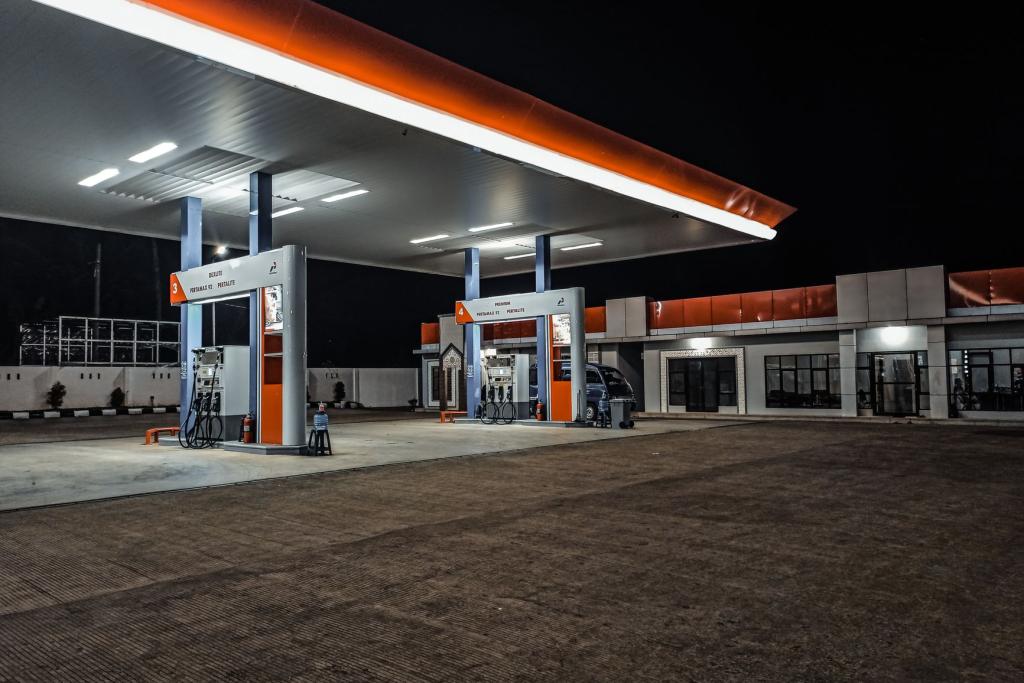
The September inflation report landed on Wednesday, and it was hotter than Wall Street hoped. Annual inflation climbed to three point seven percent, up from three point four percent in August, and the culprit is sitting at every gas station near you. According to CNBC, the Bureau of Labor Statistics said consumer prices rose six tenths of a percent for the month, right in line with forecasts for the monthly move but a notch above the yearly estimate of three point six percent.
If you are a student, a new grad or anyone living on a tight paycheque, this one is not just a number on a screen. It decides what your gas, your flights and your rent feel like next month, and it could also decide how much more you pay to borrow money.
Gas is doing most of the damage
The September inflation report points straight at energy. Gasoline prices jumped nine point one percent in a single month, and that one category accounted for more than half of the monthly increase, according to CBS News. Compared with a year ago, gasoline is up thirty-four point two percent, while fuel oil has surged by roughly seventy-four percent.
CBS reported that the national average for a gallon of gas was four dollars and thirty-three cents on Wednesday, according to AAA, up from two dollars and ninety-eight cents before the war with Iran began. Diesel, which moves the trucks that stock your grocery store, hit a record high in late September and sat at six dollars and twenty-nine cents a gallon. GasBuddy analyst Patrick De Haan noted that this year has now seen more days with gas above four dollars than any year on record, at one hundred fifty-eight days.
It is not only the pump
Here is the part that worries economists. Strip out food and energy and core inflation still rose to two point six percent from two point four percent, beating the forecast of two point five percent. Shelter costs rose four tenths of a percent on the month, used cars and trucks climbed seven tenths of a percent, and clothing, which is sensitive to tariffs, is up three point four percent over the year, CNBC said.
Travel is feeling it too. CBS noted that airline fares are up twenty-two point four percent from a year ago, so that spring break flight is going to sting. Software and computer accessories have also jumped about twenty-eight percent over the past year, according to Al Jazeera, which quoted one investor tying the spike to the AI building boom and the hundreds of billions going into data centres.
There was a small win in the basket. Food prices were flat on the month, and grocery prices actually slipped a tenth of a percent, with milk down two point one percent and beef down nine tenths of a percent. Poultry, fruit and vegetables did move higher, though.
The Fed is now in a tough spot
The Federal Reserve raised interest rates in September for the first time since 2023, lifting its benchmark to a range of three point seven five to four percent. This was the last CPI reading policymakers will see before they meet on October twenty-seventh and twenty-eighth. CNBC said traders put the odds of another hike at that meeting at about fifty-four percent, and the chance of at least one hike before year-end is above ninety-six percent.
Not everyone agrees on what happens next. Al Jazeera cited the CME FedWatch tool at a roughly fifty-three percent chance of a hold, versus forty-seven percent for a quarter-point hike. Stephen Brown of Capital Economics said the data could push the Fed to act this month rather than wait, with markets shifting to about a fifty percent chance. Sonu Varghese of Carson Group put it bluntly: "The only surprise is that investors keep getting surprised by broad-based inflation."
For you, a higher Fed rate usually means pricier credit card balances, car loans and student debt that floats with the market. Savings accounts may pay a little more, but that is thin comfort when rent and gas keep climbing.
Why the timing is political
This is the final inflation report before the midterm elections on November third, and prices are the main thing on voters' minds. A CBS News poll found that nine in ten Americans say prices are the most important factor shaping how they see the economy. Al Jazeera pointed to a recent Reuters and Ipsos poll showing that about seventy-eight percent of Americans blame President Donald Trump's policies for rising prices.
Markets reacted nervously, with stocks sliding after the release and the Nasdaq and the S&P 500 both ending the day lower, per the Al Jazeera report. If you follow the money side of the news, our business coverage will keep tracking how the next Fed decision shakes out.
What to watch next
Keep an eye on the producer price index, due Thursday, which measures wholesale costs and often hints at what shows up on shelves later. After that comes the Fed's preferred inflation gauge, the personal consumption expenditures index, later this month. If energy prices stay high because the Middle East and Ukraine wars drag on, analysts like Adam Crisafulli of Vital Knowledge warn the pressure will keep seeping into the broader economy.
The takeaway is simple: the September inflation report shows a cost-of-living squeeze that is spreading beyond the gas pump, and the next few weeks will tell you whether it gets cheaper to borrow or even harder to get by.
Comments 0
No comments yet. Be the first to share your thoughts!
Leave a comment
Share your thoughts. Your email will not be published.