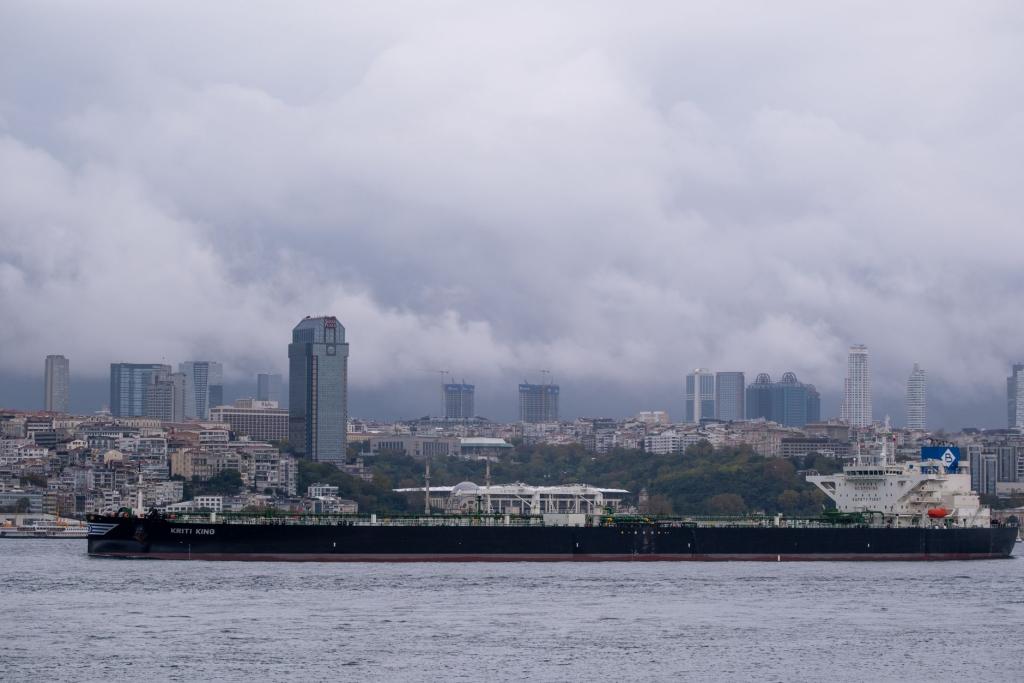
Two oil tankers caught fire in the Strait of Hormuz on Saturday, and Iran says the Hormuz tankers mines story is simple: the ships hit naval mines. According to Reuters, via Business Recorder, Iran's Revolutionary Guards Navy made the claim, citing the official news agency IRNA. There was no independent confirmation, which matters a lot here.
What Iran says happened
State media said both vessels were carrying about two million barrels of crude oil each. That is a huge amount of fuel sitting on ships that are now burning or stuck, if the reports are accurate. Iranian outlets said one tanker struck a mine first, and then a second vessel was left immobilised after striking one as well.
IRNA also claimed the tankers had switched off their positioning and radar systems. Per the same report, the crews tried to use an unauthorised route through the waterway. In other words, Tehran is framing this as ships ignoring its rules, not as an attack. Nobody outside Iran has verified that version of events.
Meanwhile, Al Jazeera's live coverage painted a wider and messier picture. According to Al Jazeera, fires were reported on three tankers in the Strait of Hormuz and the Sea of Oman. Iranian TV also aired video said to show a tanker explosion, though that footage is just as unverified as the rest.
More ships under fire
The same live blog says the UK's maritime agency reported a tugboat near the strait was hit by two projectiles. Separately, gunmen fired on an LNG tanker off the coast of Yemen. Those are different incidents from the mine claims, but together they show how crowded and dangerous these waters have become.
Reuters notes that maritime officials said on Wednesday a container ship and a dry bulk carrier sank near the strait after being hit by projectiles in separate incidents. Attacks around the waterway have surged over the past two weeks. Iran says it is stepping up strikes in response to the US blockade of its ports and tougher sanctions imposed last month.
Why a narrow strip of water matters to you
The Strait of Hormuz is one of the most important oil shipping routes on the planet. Reuters says disruptions there, tied to the US-Israeli war on Iran, have already boosted global energy prices and inflation. So even if you never think about tankers, you can feel this at the gas pump and in grocery bills.
Mines are a particularly nasty tool because they keep working after the news cycle moves on. A single mine can close a shipping lane for days while crews sweep for more. Insurers raise their rates, captains reroute, and fewer ships make the trip. That is how a few explosions can turn into a global price story.
For younger people watching their rent and food costs climb, this is the kind of distant event that lands close to home. Energy costs feed into transport, manufacturing and almost everything you buy online. It is also a reminder of why unverified claims deserve caution, because markets and politicians react fast to headlines like these.
The timing adds pressure. The reports arrived as shipping risk around the strait was already climbing, with Iran vowing to block more routes earlier this month. Tanker owners now face a tough choice between longer, costlier detours and a dangerous shortcut. Each extra day at sea adds fuel, wages and insurance costs that eventually get passed along.
Analysts often point out that claims during wartime come from every side with their own agenda. Iran has a clear motive to describe the incidents as rule-breaking by ships, since that supports its argument about controlling the waterway. Critics would say the opposite, that mines endanger civilian crews who are simply trying to do their jobs and move cargo.
What we still do not know
Key questions are unanswered. We do not know the names or flags of the ships, whether any crew were hurt, or whether the mines were laid by Iran or someone else. We also cannot say if the reported route was really off-limits. Independent shipping monitors and navies will likely weigh in over the coming days.
For now, treat the Hormuz tankers mines claim as an Iranian account of events, not settled fact. Keep an eye on oil prices and on official statements from maritime agencies. If you want more context on the wider conflict, our world coverage tracks the latest developments as they land.
Comments 0
No comments yet. Be the first to share your thoughts!
Leave a comment
Share your thoughts. Your email will not be published.