A Kolkata Durga Puja stampede on Saturday night has killed at least nineteen people and injured twenty-five more, turning one of India's biggest festivals into a tragedy. Most of the dead were women and children, and police have already detained organisers as investigators try to work out what went wrong.
What happened at the pandal
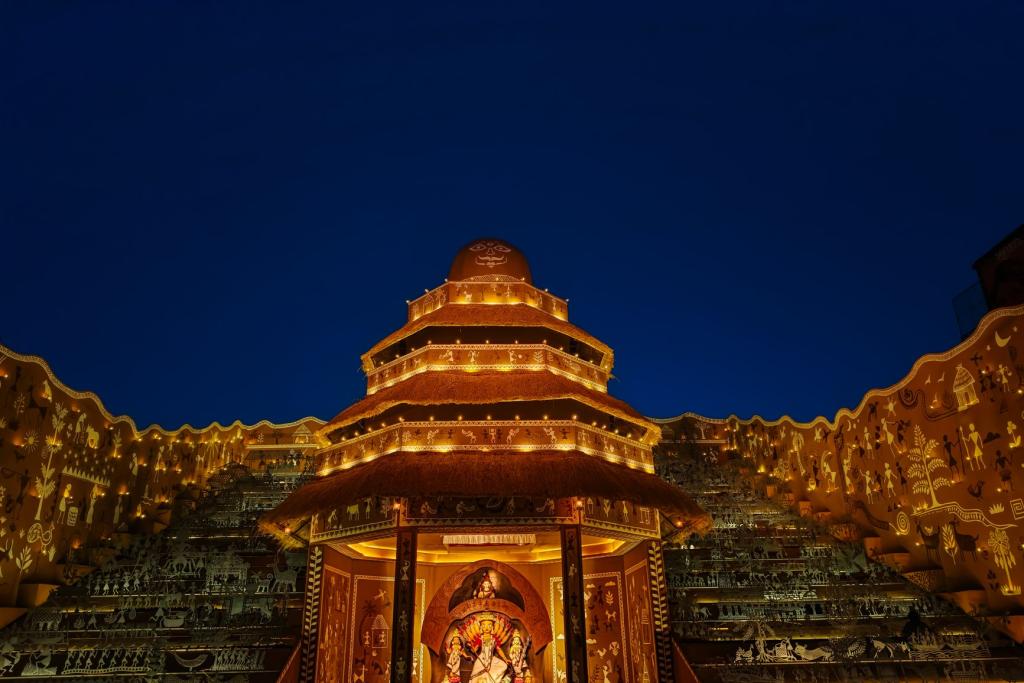
The crush happened at the Chorbagan Sarbojanin Durga Puja pandal in north Kolkata. According to The Japan Times, it struck during sudden rainfall as thousands of people packed the area around the pavilion.
West Bengal Chief Minister Suvendu Adhikari told reporters the dead included a seven-year-old girl, and that twenty-five people were hurt outside the pavilion. He first announced seventeen deaths before the toll rose to nineteen, as reported by the Press Trust of India.
Police say the crowd ran for cover when the rain began, and some worshippers fell on the road, which set off the surge. The Associated Press reported that the incident unfolded near a pavilion during the annual festival celebrating the goddess Durga. One police officer told ABC Australia that an announcement caused a commotion as people rushed inside.
Crowd control questions pile up
The Kolkata Durga Puja stampede is now the subject of a Special Investigation Team led by a judge of the state High Court. According to The Hindu, police are checking whether lapses in crowd management, confusion over entry and exit routes, and heavy rain all played a part.
A senior officer told the paper that many pandals are dimly lit in the name of theme puja. Organisers across the state compete to build the most eye-catching theme-based creations, and the officer urged them to follow the advice of the authorities. Eyewitnesses also flagged crowd management problems.
Politics has already crept in. The opposition Trinamool Congress, led by Mamata Banerjee, alleged poor crowd management and inadequate police presence, according to Hindustan Times. Organisers of the pandal have been detained, the chief minister said.
Help for families
The government says it is providing all possible help to affected families. The Hindu reported that the state will offer a large cash payment and a government job to the family of each victim, while the prime minister announced a payment for the families of the dead from a national relief fund.
Nine bodies had been released to families by the time of the latest reports, and six had been identified at an earlier stage. Injured people were taken to Kolkata Medical College and Hospital and other facilities for treatment.
Why crowd crushes keep happening
Deadly crowd incidents are a frequent occurrence at Indian mass events such as religious festivals, due to poor management and safety lapses, the Japan Times noted. An explainer from The Indian Express says crowd disasters rarely have a single cause. Excess density, narrow movement, poor information, an unexpected event and weak coordination combine until one trigger sets off a surge.
Here, the trigger looks to have been simple weather. That is the scary part for anyone heading to a festival, concert or match: the crowd was not unusual for Durga Puja, but a sudden downpour changed how everyone moved at once.
Festival organisers in Kolkata spend months planning, and the city sees enormous crowds each night of the celebration. That scale is part of the magic of Durga Puja, but it also means a small mistake at a single gate can quickly become a life-threatening problem for hundreds of people packed into narrow lanes.
Safety experts often point to simple fixes: separate entry and exit routes, clear announcements, good lighting, trained volunteers and a plan for bad weather. Whether any of those were missing at Chorbagan is exactly what the judge-led team will examine in the coming days.
What to watch next
The investigation will be the thing to follow, along with whether authorities change rules for pandals during the rest of the festive season. For more on global stories like this, check our world coverage.
For now, Kolkata is mourning. The Kolkata Durga Puja stampede will likely prompt hard questions about lighting, exits and police numbers at the thousands of pandals still open across the state.
Comments 0
No comments yet. Be the first to share your thoughts!
Leave a comment
Share your thoughts. Your email will not be published.