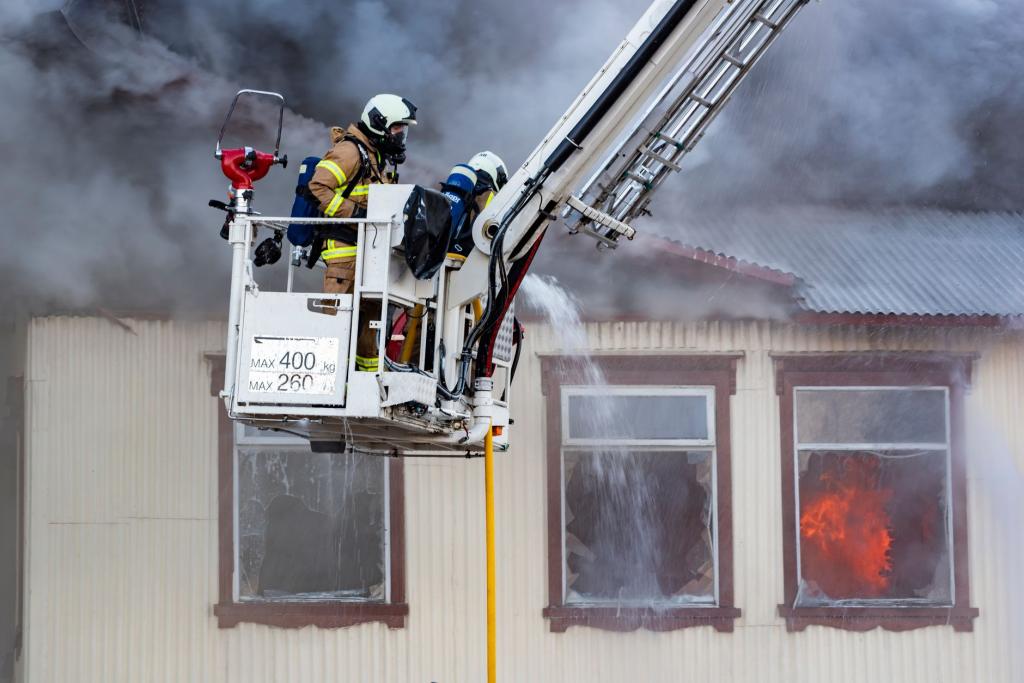
The Limoges town hall fire became the defining image of a chaotic Saturday in France, after masked protesters set the 143-year-old building alight during nationwide cost-of-living demonstrations. By evening, the regional prefect said the landmark was "largely lost."
What happened in Limoges
According to RFI and AFP, a group of masked protesters first torched a police car outside the town hall, then broke windows and forced their way inside. Flames spread from one wing and reached the roof.
Prefect Maurice Barate said the roof had collapsed onto the lower floors, except the west wing, and that about two-thirds of the exterior had already disappeared. He called the damage a "catastrophe for heritage" and blamed a deliberate act by hooligans.
The building's clock tower, an emblem of the city, also came down, according to regional broadcaster France 3. Firefighters were still battling the blaze late into the evening as the extent of the destruction was assessed.
A nationwide day of anger
Limoges was only one flashpoint. According to the BBC, an estimated five hundred and fifty thousand people took to the streets, and the government described an escalation in violence. Organisers claimed a higher turnout of eight hundred thousand.
In Paris, riot police used tear gas and water cannon on crowds, and burning barricades blocked streets. In Lyon, protesters set the tourism office on fire, and in Marseille, rioters rammed the door of city hall and covered the lobby in graffiti.
Dozens of shops were also looted in Paris, Marseille, Nice, Bordeaux and Lille, where an Apple store was stripped, as reported by Euronews.
Why people are furious
The main grievance is the cost of living. Fuel, energy and food prices have jumped in recent months, pushed up in part by the war in the Middle East that has sent inflation climbing across Europe.
The unrest follows about three weeks of student-led protests over falling education standards. Organisers hoped to pull in unions and figures from the old yellow vest movement, and the CGT union backed Saturday's marches, calling for higher wages and pensions.
The mix on the streets was wide: former yellow vests, high schoolers, university students, climate activists and even farmers. For a lot of young people, rent, groceries and school conditions all feel like the same squeeze.
Government response
President Emmanuel Macron wrote on X that there is "no room for violence in our Republic." He promised that anyone who vandalised, looted or attacked town halls and prefectures would be prosecuted and punished, and he thanked police for protecting the right to demonstrate.
Prime Minister Sébastien Lecornu condemned "violence of extreme intensity" and said limited public money cannot keep paying for damage done by vandals. He put the number of arrests at one thousand two hundred.
Interior Minister Laurent Nuñez blamed ultra-left groups for orchestrating violence, with delinquents joining in to pillage. Left-wing MP Clémence Guetté of La France Insoumise argued the government's response only provokes protesters and makes the situation worse.
Why this one hit a nerve
Town halls are not just offices in France. They are the symbolic heart of a community, where couples marry, citizens register births and local democracy plays out. Watching a building from the year eighteen eighty-three burn, with its clock tower collapsing, felt to many like a line had been crossed.
That reaction exposes the awkward split in the movement itself. Organisers wanted a loud, peaceful push on wages and prices, and the officials quoted above say a violent fringe hijacked it. Peaceful marchers now risk being defined by the worst footage of the night.
For Gen Z, who make up a big share of the student protests, the question is whether the message about rent, groceries and school quality survives the smoke.
What comes next
In Limoges, the local prosecutor opened a criminal investigation into the Limoges town hall fire, handing it to the regional organised-crime unit of the national police. More than fifteen people were in custody, including minors in connection with shop looting, according to Le Journal du Centre.
Politically, the timing is rough. France heads into elections in about six months to replace Macron, and the unrest deepens uncertainty about who can calm a country split between peaceful marchers and a violent fringe.
Watch for more marches, more arrests and a fight over how to pay for the repairs. For more global coverage, check our world desk.
Comments 0
No comments yet. Be the first to share your thoughts!
Leave a comment
Share your thoughts. Your email will not be published.