UN human rights experts have condemned the Türkiye LGBTI crackdown as a severe assault on queer and trans rights defenders, calling for an immediate end to the police operation behind it. In a statement issued in Geneva on 13 October, the experts said criminal, administrative and financial measures were being used to choke off freedom of expression and association and to obstruct legitimate human rights work. They said Türkiye must provide a safe environment where defenders can speak, assemble and organize without fear of arrest, intimidation, stigma or criminal prosecution.
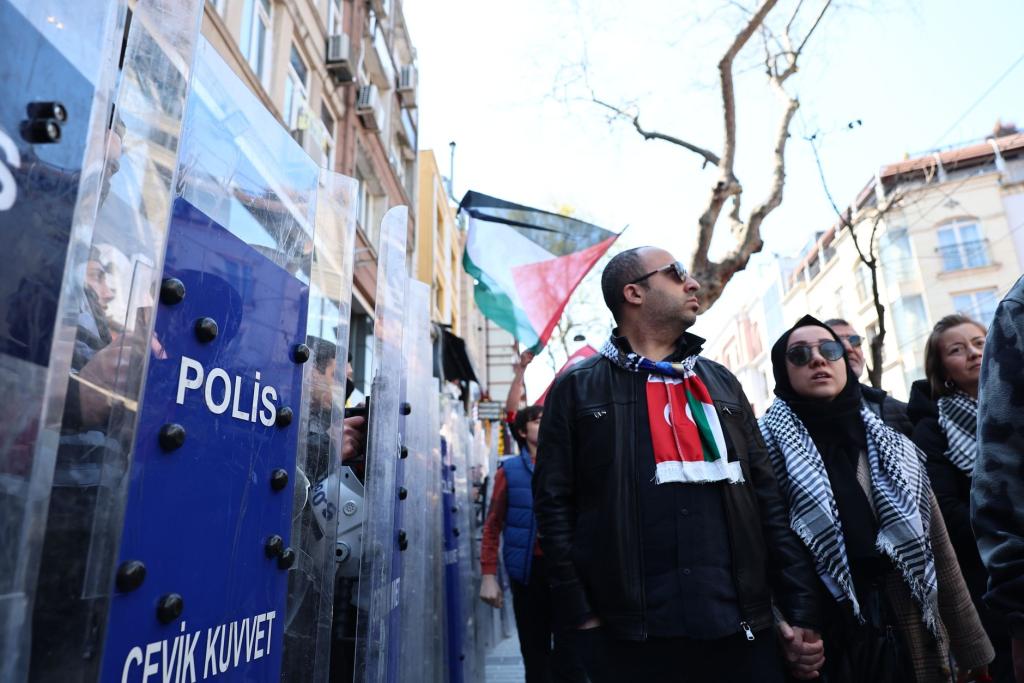
According to the Office of the UN High Commissioner for Human Rights, the Türkiye LGBTI crackdown centers on a police campaign called 'My Family Is Safe' that began on 12 September. At least 44 human rights defenders have been detained or arrested since the campaign started. Security forces have searched private homes and offices, seized digital equipment, and blocked websites and social media accounts belonging to LGBTI people and the groups that defend their rights. At least 117 people were detained in the first wave, and another 124 were held during protests against the campaign. The justice minister has announced judicial measures against more than 160 individuals and 20 associations and businesses.
How the crackdown works
The charges being brought against those swept up lean heavily on morality language. According to the experts, investigations have invoked offences tied to 'obscenity', 'morality' and prostitution, while official statements have described civic associations as promoters of 'LGBT and immorality'. LGBTI people are being framed, in the experts' words, as a threat to families. The experts warned that morality-based arguments cannot justify discriminatory restrictions against LGBTI people or the people defending their rights, and said public officials should stop using stigmatising rhetoric that paints legitimate advocacy as criminal or immoral. The Türkiye LGBTI crackdown also has a financial edge: investigators are scrutinising some of the affected groups, even though receiving international funding is permitted under Turkish law and is not evidence of a crime. Donor identities have reportedly been made public, a move the experts say violates privacy and could scare off future donations.
What detainees are facing
The experts raised the alarm over what is happening inside detention. They cited reports of discrimination and harassment tied to HIV status and gender identity, along with unsanitary conditions, solitary confinement, humiliating searches, poor access to healthcare and medication, and roadblocks to due process. The experts demanded the immediate release of anyone detained solely for legitimate human rights work in Türkiye. Until that happens, they said, authorities must guarantee access to medical care and legal counsel, effective judicial safeguards, and protection from torture and other cruel, inhuman or degrading treatment.
What the UN is asking for
The experts urged the government to drop criminal and financial investigations against LGBTI people that have no clear legal basis, to return seized equipment that is not demonstrably needed for lawful inquiries, and to work with online platforms to lift digital restrictions that fail to meet human rights standards. They said the ability of defenders and associations to seek, receive and use resources is part of their rights, and that using criminal law as a tool to punish human rights work amounts to a misuse of the justice system. They said they are in contact with the Turkish government as the Türkiye LGBTI crackdown continues, and that LGBTI and HIV-related organisations must be able to carry on legitimate work free from intimidation, retaliation, stigmatisation or interference.
The experts' statement is a direct response to the campaign, and it puts the government on notice that the campaign is under international scrutiny. For young people watching from outside Türkiye, the online dimension of the story may land hardest: blocking websites and social media accounts strikes at the spaces where queer communities organize, share information and find each other. The experts also asked platforms to cooperate in lifting restrictions that do not meet human rights standards, a reminder that the fight over the campaign is playing out online as much as in courtrooms and police stations. For more on how rights cases are being contested elsewhere, see the recent report on a South African hate-speech ruling over an anti-LGBTQ shop sign and the secret executions in Libya that the world can no longer ignore.
Read the experts' full statement on the OHCHR website, or a newsroom write-up of the UN appeal.
Comments 0
No comments yet. Be the first to share your thoughts!
Leave a comment
Share your thoughts. Your email will not be published.