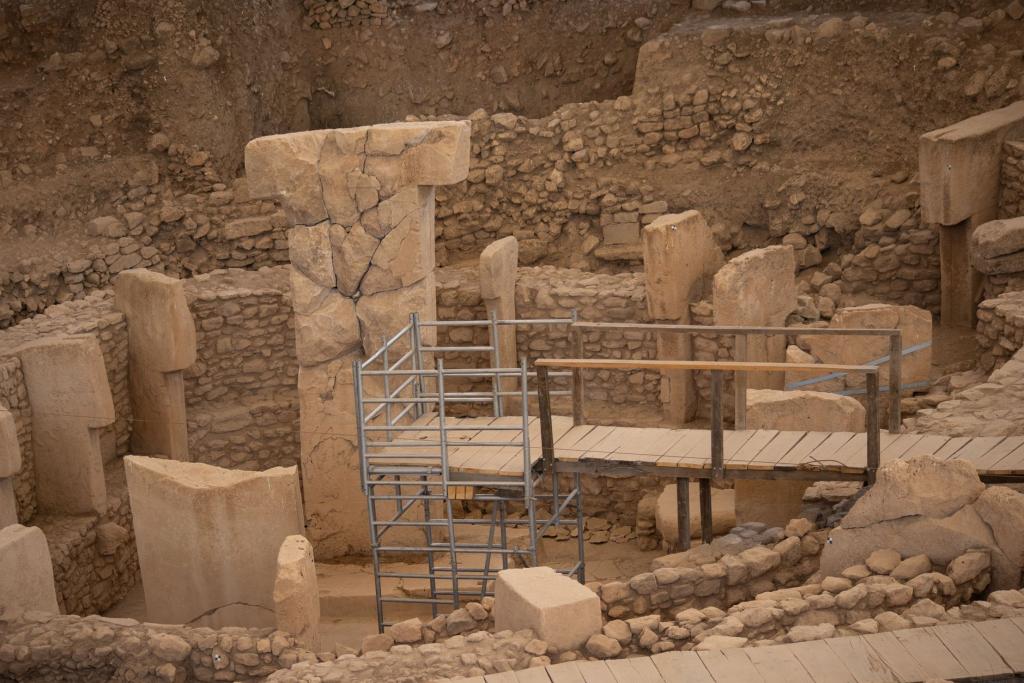
For three decades, archaeologists digging at Göbeklitepe have been tripping over a macabre puzzle. Scattered through the deposits filling the site's monumental stone enclosures were fragments of human bone, hundreds of them, showing damage nobody could fully explain. This month, a new study finally offers an answer: they were probably not ritual deposits at all. They were ordinary burials that slipped downhill over thousands of years.
The breakthrough comes from the first two intact burial contexts ever uncovered at the site, described in a study published in September 2026 in the journal PLOS One. Dating to between 8700 and 8000 BC, the burials show that the Neolithic inhabitants of Göbeklitepe interred their dead beneath the floors of ordinary buildings, according to Heritage Daily.
Until now, no intact grave had ever been documented at the site. The two newly studied burials, published in September 2026 in the journal PLOS One, show that the dead were interred beneath house floors in a settled community. The discovery rewrites one of the most famous chapters of prehistoric archaeology, and it quietly confirms that the world's first temple was also someone's hometown.
A thirty-year mystery buried in plain sight
Göbeklitepe sits about 15 kilometers northeast of Şanlıurfa in southeastern Türkiye, and it is among the most significant archaeological sites of the early Neolithic. The UNESCO World Heritage Site is famous for its monumental stone enclosures and enormous T-shaped pillars, many decorated with elaborate carvings of wild animals and symbolic imagery. The settlement mound accumulated over roughly 1,600 years, from around 9600 to 8000 BC, a span that saw communities in Southwest Asia transition from mobile hunting and gathering to permanent settlements and farming.
For years, the site was interpreted mainly as a ritual center. But the persistent puzzle was the human bone: researchers have identified 928 individual bone fragments scattered through the site's monumental buildings, belonging to males and females of different age groups. Some bones showed evidence of deliberate human intervention, including deep incisions on skull fragments, while others appeared damaged by natural processes. Since excavations began in 1995, nobody had been able to explain why the remains were so widely dispersed.
What the two graves revealed
The first burial was found in 2017 during construction of a drainage channel linked to the protective shelter over the main excavation area. Archaeologists uncovered a kidney-shaped pit beneath the plaster floor of a rectangular Neolithic building, containing the skeletal remains of at least three people whose bones had been deliberately rearranged inside the grave. The researchers identified an adult woman at least 35 years old, a man between 20 and 30, and an adolescent girl estimated to have been 11 to 14. The skulls had been gathered in the southeastern corner of the pit while long bones were arranged along the western wall, suggesting the burial was reopened over time and earlier occupants' remains moved aside to make space.
The second burial was first discovered in 2012 but sealed for a decade because of time constraints, and fully excavated in 2022. Located just west of the monumental Building A, it held a young adult, most likely a woman between 20 and 30, placed on her left side in a flexed position facing east. Unlike the collective burial, much of her skeleton remained in its original anatomical position, resting on a layer of stones. But the bones were heavily fragmented anyway, showing broken long bones, missing ends, calcareous deposits from thousands of years of burial, and even possible rodent gnawing marks.
That last detail matters enormously. The researchers found that extensive damage could occur naturally while a body remained buried, without any deliberate human interference. When they compared the newly excavated skeletons with the fragmented remains from the monumental buildings, they found striking similarities: extensive fragmentation, calcareous deposits, and evidence of animal activity in both groups.
Why this changes the story of the site
The study's central claim is elegant. Göbeklitepe's large stone enclosures occupy a depression surrounded by higher accumulated settlement deposits, making them vulnerable to material sliding down the slopes. Over time, erosion and landslides could have displaced ordinary burials beneath the floors of hillside dwellings, carrying soil, stones, and human remains downhill into the monumental structures. Previous research has already suggested the enclosures were filled, at least partly, by such natural processes rather than being deliberately buried during abandonment. The new skeletal evidence adds substantial support.
The implications go beyond one site's housekeeping. The presence of burials associated with domestic buildings supports the interpretation of Göbeklitepe as a settlement where people lived, worked, and buried their dead, not just a ceremonial gathering place visited for rituals. Burials beneath house floors were a widespread practice in Neolithic Anatolia and the Levant, and these finds place the site firmly within that tradition. For younger audiences used to thinking of the place as an ancient temple, the update is strangely intimate: the same ground that held the carved pillars also held family graves.
There is an important counterpoint, and the researchers are careful not to bury it. The new evidence does not rule out genuine mortuary rituals. Cranial fragments from five individuals bear deliberate incisions, indicating that some people received ceremonial treatment after death, and the site's distinctive imagery includes depictions of headless human figures and sculptures of animals associated with human heads. Comparable practices appear elsewhere in the region: at Sefertepe, archaeologists found a chamber containing at least 21 human skulls, most facing southeast, while at Karahantepe, skull fragments show evidence of cutting, scraping, and burning.
So the final picture is richer than either extreme. Ordinary burials under house floors probably account for much of the scattered bone, while a separate tradition of skull modification reflects ceremonies whose meaning remains unknown. The researchers stress that the site's burial traditions were likely more varied than any single explanation can capture, and that further skeletal analysis and dating are still needed. Eleven thousand years after these people buried their dead beneath their homes, the hill they lived on is still refusing to give up its story all at once, which may be exactly why the world keeps coming back to dig.
Comments 0
No comments yet. Be the first to share your thoughts!
Leave a comment
Share your thoughts. Your email will not be published.