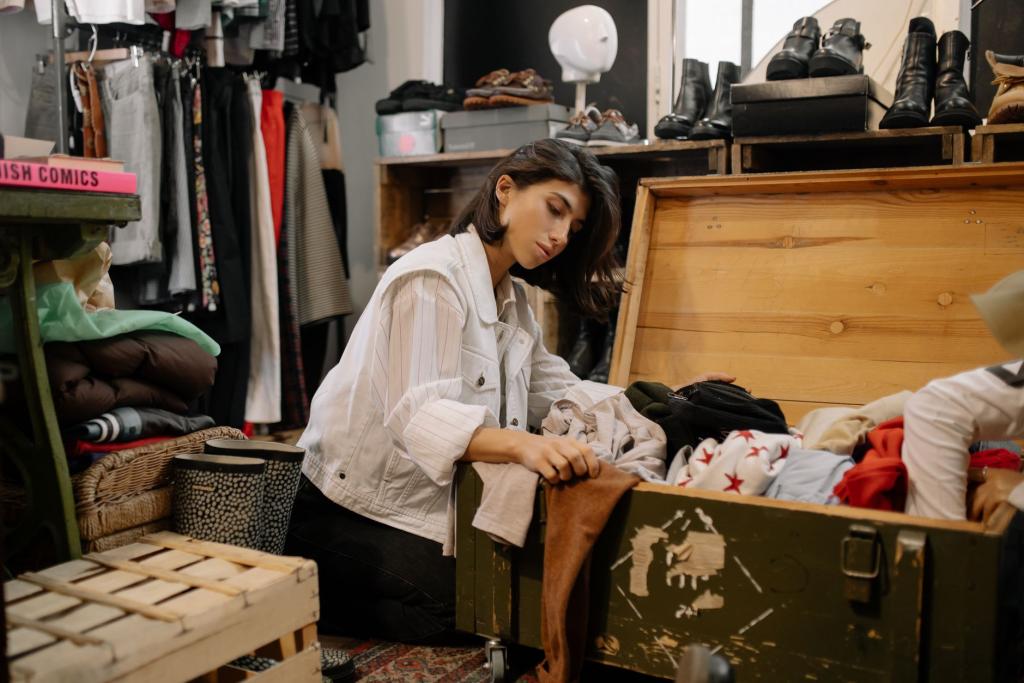
Something odd is happening in the fashion economy this autumn: the most influential trend forecasters of 2026 are not sitting in design studios but livestreaming from their bedrooms. The resale boom has turned secondhand selling from a weekend side hustle into a genuine career path, and fresh industry data shows the secondhand market now moves with the discipline of professional retail. Searches for the mall brands of the early 2000s are climbing by quadruple-digit percentages, thrift stores are pulling foot traffic that traditional retailers can no longer manage, and young sellers are building real businesses one vintage camisole at a time.
New industry data suggests nostalgia is the strongest trend signal in fashion right now. According to Fashion Capital's coverage of Fleek's State of Resale Report — research from a wholesale resale marketplace built on millions of search and sales signals plus responses from 339 resellers around the world — searches for American Eagle have jumped 1,588 percent year on year, while Hollister, Aéropostale and Abercrombie are all up by triple-digit percentages. The revival is changing who sells what: 49 percent of resellers now specialize in Y2K and early-2000s fashion, a share that climbs to 60 percent among sellers aged 18 to 25.
The resale boom is going professional
The numbers behind the racks look more like retail than rummaging. In Fleek's research, 28 percent of resellers say they already work full time, while another 33 percent are actively working toward making resale their career. Sellers now list across an average of 2.8 platforms, and Vinted is the economic engine of the scene: 65 percent of respondents say the platform generates the most money for them. Live selling is the sharpest tool in the kit — 45 percent of full-time resellers sell live, and 79 percent of regular live sellers say the format outperforms static listings, partly because it skips the task resellers hate most: photographing and listing every item individually.
It is not all easy money. Twenty-nine percent of resellers report having had an account suspended, banned or restricted — a real hazard when a single platform carries your livelihood. Stock is another pressure point: 64 percent of sellers still rely on charity and thrift shops for inventory, and 44 percent say they want access to liquidation and deadstock they cannot currently get. That bottleneck is where fashion brands see an opening. New EU rules restricting large companies from destroying unsold clothing could push more excess inventory toward secondary markets, and labels are starting to treat resale, archive sales and branded secondhand programs as part of the business rather than a curiosity. Follow our fashion coverage on GenZ NewZ for more on where the industry is heading next.
Why the resale boom matters beyond fashion
The boom is not only about nostalgia. As reported by Inland News Today, citing Bank of America research, thrift transactions are up 22 percent from a year ago, and foot-traffic analysis from Placer.ai shows visits to thrift stores soared more than 25 percent between late 2022 and late 2025, even as visits to traditional apparel retailers fell. The US secondhand apparel market has grown into an approximately 56-billion-dollar business, doubling between 2020 and 2025, according to ThredUp's resale research — driven by what the bank's economist Taylor Bowley called "value, variety and also sustainability."
That growth says as much about rejection as about love. Fast fashion's ultralow prices trained a generation to expect disposable clothes, but shoppers burned by flimsy quality and rising prices are voting with their wallets. ThredUp's research found 62 percent of Gen Z shopped secondhand last year, and the shift is visible in what the racks carry: demand for pandemic-era comfort dressing is fading, with hoodies down 50 percent, crewneck sweatshirts down 41 percent and track jackets falling by a third. For readers eyeing the side hustle themselves, the playbook emerging from the data is blunt: pick a lane like early-2000s denim, learn live selling and list across multiple platforms — the resale boom rewards specialists, not casual browsers.
In their place, bootcut jeans are up 277 percent and basic camisoles have risen 193 percent — the classic jeans-and-a-nice-top formula, resurrected for a new generation. Whether the resale boom keeps climbing will depend on whether brands embrace the secondary market or keep watching from the sidelines. Either way, shoppers have already decided that the most fashionable thing in 2026 is something someone else wore first. And for the view from the other end of the fashion economy, our take on Dior's undone-luxury runway moment shows what new-season luxury is doing about it.
Comments 0
No comments yet. Be the first to share your thoughts!
Leave a comment
Share your thoughts. Your email will not be published.