The most polished fashion house in the world just told perfection to take a seat. On September 29, 2026, Dior sent sixty-five deliberately unfinished looks across a pond runway at Paris Fashion Week, where shirts hung untucked, buttons sat uneven, and hems looked like they had been caught in a gust of wind. In the front row, Rihanna, Jennifer Lawrence, Rosalía, and Cynthia Erivo watched as the house's creative director, Jonathan Anderson, made the case that undone luxury is the aesthetic of the moment — luxury not despite the mess, but because of it.
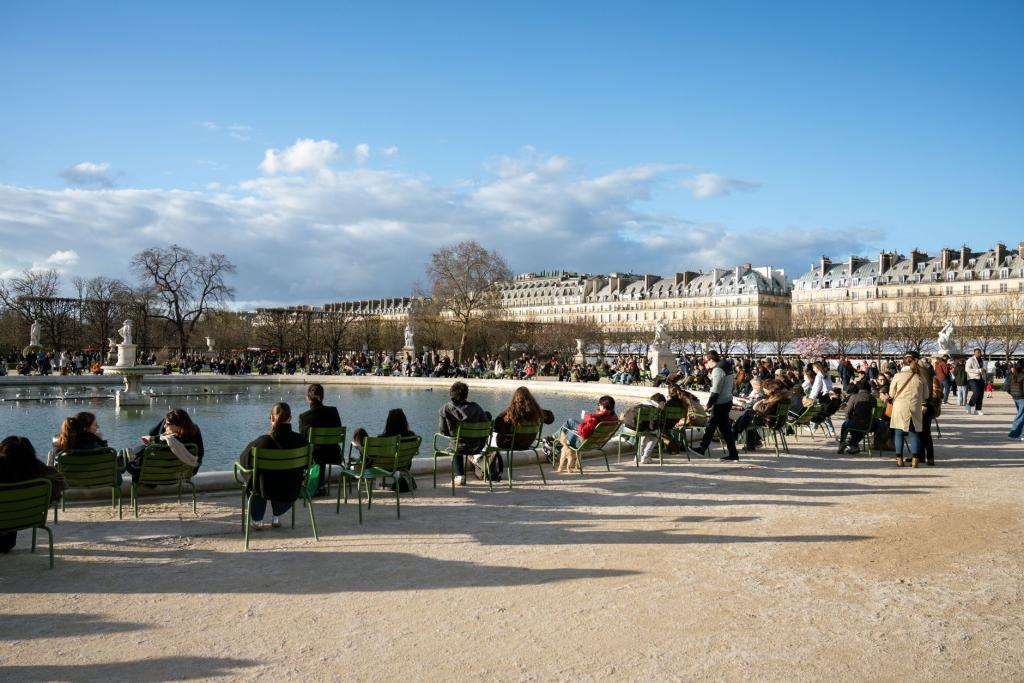
The setting sold the story before a single model walked. Trees rose straight out of the water, artificial fog drifted across the catwalk, and Paris sat at 82 degrees Fahrenheit, so the whole scene felt humid and half-dreamed. According to TBS News, the opening look set the tone: a white pinstriped double-breasted jacket over a striped shirt and short cream skirt, the shirt left untucked and everything loosely put together. From there it escalated — bras visible beneath open jackets, pajama-style piping tracing the edges of tailored pieces, hems left raw as if nobody had bothered to finish them. The clothes were finished, of course. The point was that they refused to look it.
The walnuts, the water, and the message
Every guest received the collection's thesis with their invitation: a pair of wénwán walnuts, the traditional Chinese kind people roll in one palm for years until friction polishes them smooth. Anderson's idea was that beauty accrues through wear — that a surface gains character the more it is handled, crumpled, and lived in. The show notes posed the collection's central question directly: "How light can a dress be?" The answer came in tailoring treated like drapery, bar jackets with flounces falling naturally instead of holding their shape, and houndstooth — one of the house's signature patterns — rendered in sheer chiffon.
Archival pieces got the same loosened treatment. The 1952 La Cigale dress, named for the insect whose shape it imitates, reappeared in strapless pink pleated tulle. The saddle bag, the John Galliano-era hit, walked again. Luxury details hid in plain sight — Murano glass buttons, faux fur tucked under lapels — while other pieces went loud: jackets and miniskirts covered in hand-cut petals that shimmered as models moved. Bronze, silver, and mint-green trousers cut through a palette that stayed mostly black, white, and gray. As Whitewall noted in its review, transparent ribbons trailed from earrings, tops, and skirts with unfinished edges, "as if to indicate a certain feeling of unraveling, of freedom, of open possibilities."
Why undone luxury lands right now
This was not a one-house quirk. The deliberately untidy styling reflected a wider mood across fashion month, where other major houses — Prada among them — have been sending similarly loosened, imperfect looks down their own runways. Compare that to the founding myth Anderson is pushing against: Christian Dior launched the house in 1946 and introduced the New Look a year later, all cinched waists and full skirts, precision as the whole point. Anderson took over womenswear, menswear, and couture in 2025, the first designer since Dior himself to hold all three, and he has spent every season since pulling the silhouette apart.
For anyone under 25, the timing reads less like provocation and more like recognition. The undone luxury aesthetic rhymes with what Gen Z has been wearing on its own terms for years: thrifted blazers worn over pajama sets, uneven hems on vintage denim, visible bra straps styled as part of the outfit rather than hidden away. It also dovetails with the broader cultural turn we covered in Taste Over Virality: Gen Z's New Rules for Being Cool — taste expressed through ease and intention rather than polish for polish's sake. Dior is essentially certifying, at the highest possible price point, something the group chat figured out ages ago: looking a little undone, on purpose, is the flex.
The honest counterpoint is whether Anderson is now repeating himself. This was his tenth Dior collection in just over a year, and as TBS News observed, some of the signatures — balloon-shaped chiffon minidresses, sheer tailoring, a single dangling earring — have already become familiar enough to read as formula. The collection's real question was whether a refined, deliberately unfinished style can still surprise when it has become the house's default. Either way, the direction of undone luxury is set: after decades in which luxury meant immaculate, the most influential room in fashion just declared that the future is a little bit messy — and that the mess is the point.
Comments 0
No comments yet. Be the first to share your thoughts!
Leave a comment
Share your thoughts. Your email will not be published.