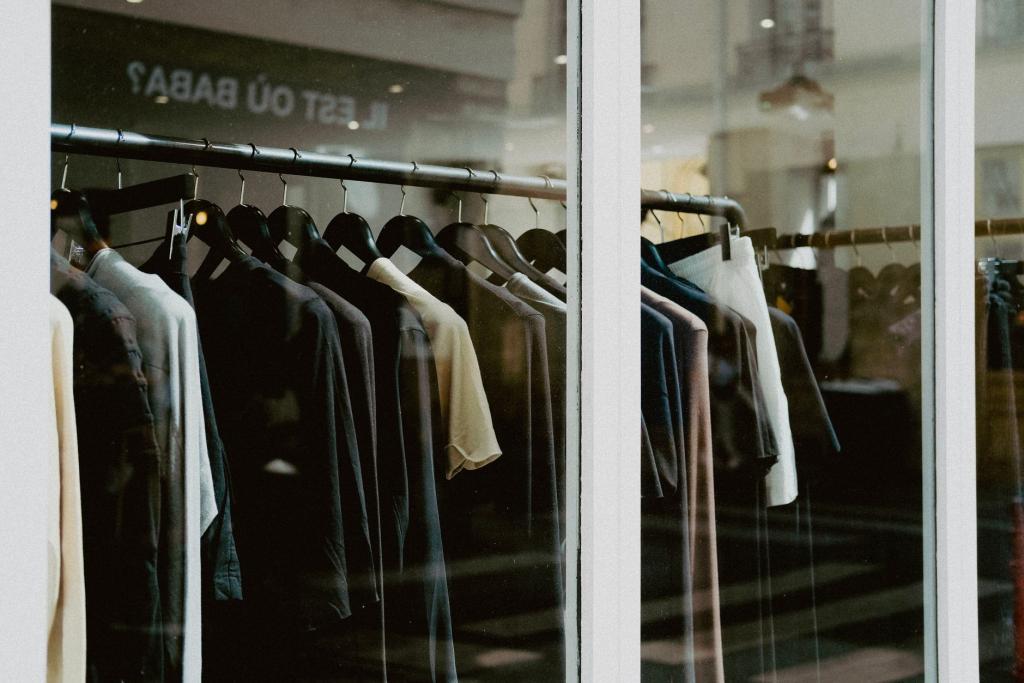
As of September 1, 2026, buying ultra-cheap clothing in France comes with a government surcharge attached. France has become the first country in the world to fine ultra-fast fashion item by item — penalties aimed squarely at the business models of Shein, Temu and AliExpress — while across the Channel, Bristol has become the first British city to ban fast-fashion advertising on council-owned space. According to Reuters, the French penalties range from €0.25 for a pair of socks to €12 for a coat, capped at half of each product's pre-tax price.
The €20 ceiling: how France's fast fashion levy works
The levy flows through France's textile extended producer responsibility scheme, administered by the eco-organisation Refashion. Two measurable criteria decide whether a garment counts as "ultra-fast fashion": the sheer volume and turnover of new styles a brand places on the market, and how the cost of repairing a garment compares to its original purchase price — a scoring method aimed at high-volume, low-durability business models rather than mainstream retailers, as reported by France 24. Traditional fast-fashion houses like H&M and Zara fall outside the penalty's reach. The 2026 scale starts at €0.25–€0.50 for basics such as underwear and socks, then climbs to €2 for a T-shirt, €9 for jeans and €12 for a jacket. According to the Library of Congress, the range is set to rise sharply from 2030, reaching €2 to €20 per item. Foreign companies must appoint a representative in France to handle their producer-responsibility obligations, and Refashion must use part of the eco-contributions to fund infrastructure for collecting, sorting, reusing and recycling textile goods. The same legislation bans advertising for ultra-fast fashion products in France, including through social media and influencer partnerships.
Bristol bans the billboard
On the other side of the Channel, Bristol's strategy and resources committee voted eight to one to approve an updated advertising and sponsorship policy, making it the first UK city to restrict fast-fashion advertising on council-owned billboards, bus stop shelters, digital screens, and in print and online formats. As reported by Retail Gazette, the policy does not ban fast-fashion brands outright but targets campaigns designed to encourage excessive purchasing — mass markdowns, limited-time offers, influencer promotions, discount codes, product "drops" and Black Friday sales. The same policy restricts adverts for fossil fuel companies, airlines, cruise holidays, SUVs and non-electric cars. Deputy council leader Heather Mack said: "We don't want Bristol to be a billboard for polluters while we're working hard to improve health, air quality and nature in the city." Green Party co-leader and Bristol Central MP Carla Denyer welcomed the move, calling it "a much-needed next step" and adding that it "makes no sense" for the city's climate and sustainability work to run alongside adverts for oil and gas companies, SUVs or fast fashion.
Industry pushback — and Beijing's objection
The French penalties arrive as Shein faces an increasingly difficult climate. Reuters reports that the end of duty-free access for cheap e-commerce parcels in the European Union and the United States helped push the company's valuation down ahead of its stock market debut in Hong Kong. Shein's spokesperson in France, Quentin Ruffat, has previously said the fast-fashion penalties would hurt customers by pushing prices up. China's commerce ministry went further, describing the French law as discriminatory and a trade barrier that could violate World Trade Organization principles. Neither Shein nor Temu responded to Reuters' request for comment on the fees. France's minister for ecological transition, Mathieu Lefèvre, framed the law's purpose plainly when details were published in late August: "The harmful effects of ultra-fast fashion on our environment and our economy are well known and documented." Economy Minister Serge Papin declared that France is the first country in the world to introduce such a scheme.
What changes for shoppers
For French shoppers, ultra-fast fashion garments will carry the surcharge baked into their prices — potentially adding up to half the original price on a cheap jacket if the penalty hits the 50 percent cap. The advertising ban means the drops, discount codes and influencer hauls that fuel impulse buying are disappearing from French feeds, so the constant pressure to buy may ease even before prices bite. In Bristol, the fast-fashion ads simply will not appear on council-owned space; the brands themselves remain legal to buy, but the city is treating advertising as part of fashion's environmental footprint. With penalties set to climb toward €20 per item by 2030 and regulators tightening the screws on vague eco claims, the cheap-clothes era of the 2020s is facing its first real price signal. France insists it is the first mover but will not be the last — and if other countries copy the model, the ultra-fast fashion playbook will have to reckon with a world where disposability carries a line-item cost. (Reuters; Retail Gazette)
Comments 0
No comments yet. Be the first to share your thoughts!
Leave a comment
Share your thoughts. Your email will not be published.