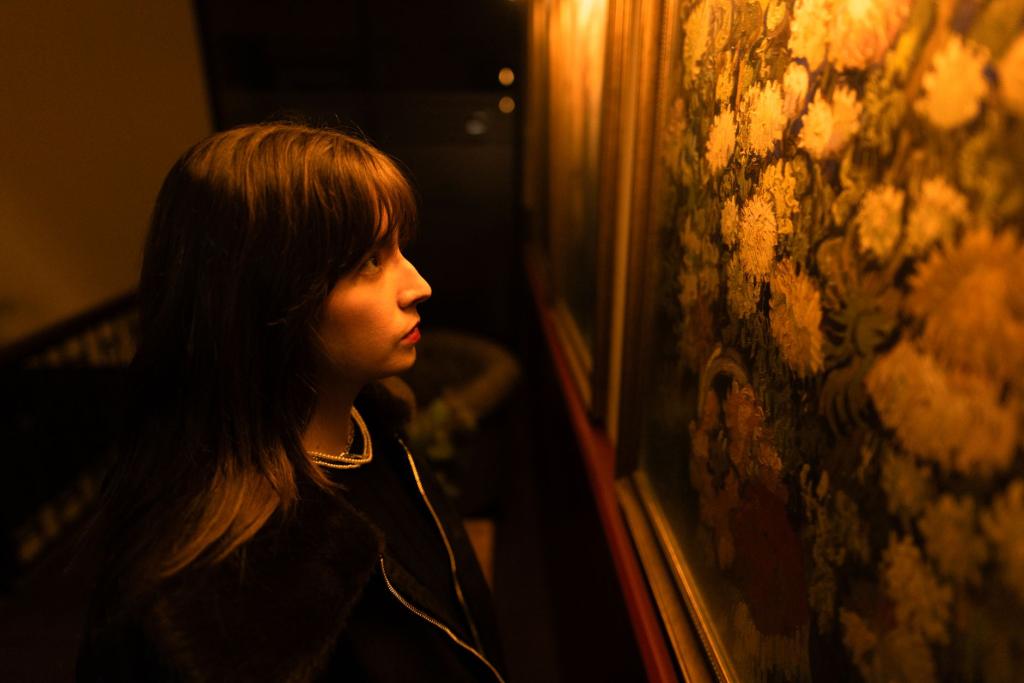
Gen Z Collectors have a new title, and it has nothing to do with sneakers. A sweeping new survey of the global art market finds that wealthy twenty-somethings are now the highest-spending generation of art buyers on the planet, outspending every older age bracket by a margin that was not even close, according to the Smithsonian's coverage of the findings.
The numbers come from the fifth edition of the Survey of Global Collecting, published jointly by Art Basel and the bank UBS and written by the consultancy Arts Economics. Among high-net-worth individuals active in the art market, individual average spending by collectors in their twenties was more than double that of people in every other age group, across an eighteen-month window covering last year and the first half of this one. Nearly half of the tiny fraction of collectors who bought a work priced above seven figures last year were in their twenties, a statistic that would have sounded like a typo a decade ago.
They are not buying the way their parents did, either. More than half of the young collectors purchased work by an unfamiliar artist, compared with barely a third of boomers, according to coverage of the report by Hypebeast. Social media, apps and AI tools now drive discovery and research, and the survey found a broadly positive attitude toward new technology in the collecting world. Family money still opens the door: two in five said they entered collecting through family influence, and almost nine in ten kept works they inherited. But the tastes are their own, with painting and sculpture remaining the favored categories rather than digital novelties alone.
The report's authors have taken to calling them omnivore collectors, and the label fits. The survey paints a buyer who moves across categories and channels with unusual ease: digitally engaged, active both in person and online, and comfortable using AI tools to research a purchase. One revealing detail is what they keep to themselves. The young collectors were the least likely of any generation to share details of their holdings publicly online, preferring invitation-only spaces, according to the bank's summary of the findings. For a generation that documents nearly everything, the art collection stays behind a velvet rope.
The paradox: the smallest wallets in the room
Here is the twist that makes the finding land. The generation as a whole is not rich. A separate study of a full year of observed purchase behavior, released by the data firm Attain and co-authored with the advertising giant dentsu, found that Gen Z shoppers spend about a quarter less each year than the average American shopper, while spreading what they do spend across slightly more merchants, according to the research. The same work found the generation's smaller wallet tilts heavily toward discretionary categories like restaurants, entertainment and fitness, and that young shoppers are markedly less loyal to buying the same brands. In other words: broke-ish, brand-fluid, experience-hungry, and budgeting hard everywhere from grocery runs to delivery apps — while, at the very top of the income ladder, a small cohort has quietly become the art world's biggest spenders.
Why this matters beyond the auction house
For everyone else, the signal is about where culture and money are moving. Auction houses and galleries have spent years chasing younger buyers with streetwear collaborations and online drops; the survey suggests the chase worked, just not at the price points anyone predicted. Lower-priced works still generate the most activity — more than three-quarters of wealthy buyers spent under fifty thousand dollars on art this year — but the headline is who is writing the biggest checks. As inherited wealth keeps flowing to younger heirs, with family influence and passed-down works central to how the new collectors start, the tastes forming now will shape what hangs in museums and what sells at auction for decades to come.
There is a lesson in it for Gen Z Collectors of every budget, too. The young buyers in the survey got where they are by treating collecting as research: following artists early, buying what they actually like, and using the same discovery tools — feeds, apps, group chats — that the rest of the generation uses for everything else. You do not need a trust fund to borrow the playbook. Start with the artists in your own city, learn what moves you, and buy the work before the market catches on. The next time someone tells you young people do not care about art, point them at the auction results.
Comments 0
No comments yet. Be the first to share your thoughts!
Leave a comment
Share your thoughts. Your email will not be published.