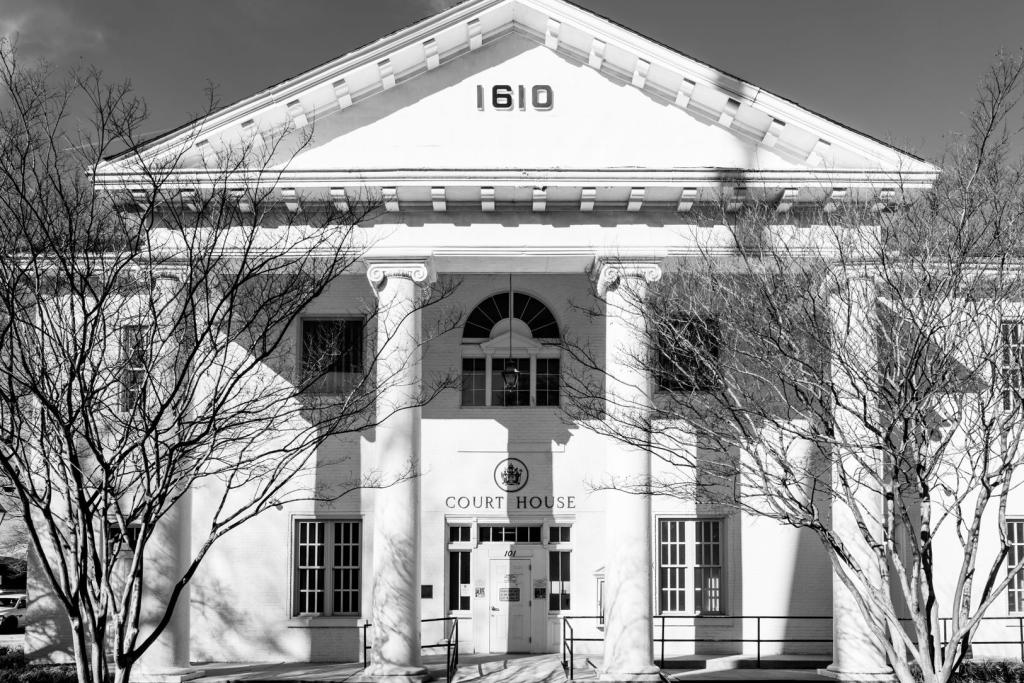
The BAE Systems cyberattack has knocked out the system that tells people when their bankruptcy cases move forward, and the outage is now more than a week old. According to the Administrative Office of the U.S. Courts, the company's IT and websites that support the Bankruptcy Noticing Center were hit by a cybersecurity incident.
It sounds boring until you see what is at stake. Real people in real financial trouble depend on those notices to know about hearings, deadlines and decisions.
What actually broke
The Bankruptcy Noticing Center, usually shortened to BNC, produces and sends bankruptcy notices for every federal bankruptcy court in the country. BAE Systems runs it on behalf of the federal judiciary. The judiciary says all access to the BNC systems and the websites BAE operates for it is unavailable, including the National Creditor Registration Service.
The incident has also halted the production and distribution of notices, both electronic and paper. The disruption began late on October ninth, when BAE told the Administrative Office of a problem, according to a notice from the bankruptcy court for the Eastern District of Texas.
Courts started posting warnings on October thirteenth, and the judiciary only called it a cybersecurity incident on October fifteenth. Reuters reported the news on October sixteenth.
Why a notice matters so much
Think of a bankruptcy notice like a group chat alert that decides whether you keep your money. Creditors learn about meetings, claim windows and orders through these messages. Miss one and you could miss your chance to be paid.
Legal commentary cited by IT Nerd points out that deadlines attach to service of orders, so those clocks are effectively frozen nationwide while the investigation continues. That is a huge headache for lawyers, trustees and anyone owed money.
How courts are coping
Individual courts are improvising. The South Carolina bankruptcy court issued an operating order saying certain notices required in cases have not been transmitted since October ninth, and that relief may be due to affected parties under the federal bankruptcy rules.
The Middle District of North Carolina issued a standing order with temporary procedures. It stressed that electronic filing notices through the court's case system still work normally, so the problem is limited to the noticing side. The same order warned that access to creditor lists may also be affected.
The bigger picture
This is a reminder that the boring plumbing of government often runs through private contractors. BAE Systems Inc. is the U.S. arm of a British defense giant, and one security incident at a vendor rippled across a whole court system. No public details have emerged about who was behind the attack or how it started.
For anyone in the middle of a bankruptcy case, the advice from courts is simple: check with your lawyer or your local court's website rather than waiting for a letter or email. Many courts have posted updates, and some are serving notices by other means for now.
The investigation is still ongoing, and BAE says it is working to restore services. There is no announced restoration date at the time of writing. Expect more court orders in the coming days as judges decide how to handle missed deadlines. For more on the global side of cybercrime, see our tech coverage.
The takeaway: the next time someone says cybersecurity is only about stolen passwords, point to a week of frozen legal paperwork. When a quiet contractor goes dark, deadlines, creditors and families can all end up stuck in limbo. Keep watching this one, because the fallout for the courts is likely to grow before it shrinks.
Nobody has said how long the BAE Systems cyberattack will keep the system offline, and that uncertainty is the hardest part for people waiting on answers. Court staff are fielding questions, lawyers are filing extra paperwork to protect their clients, and trustees are trying to work out which creditors never got word of upcoming hearings. Judges have also signaled that they may extend deadlines case by case once the notices flow again.
The scale is what makes it stand out. Every single federal bankruptcy court in the United States was affected at once, which is rare for an incident that began at one vendor. Lawyers will be watching closely for guidance on how long extensions will last.
Comments 0
No comments yet. Be the first to share your thoughts!
Leave a comment
Share your thoughts. Your email will not be published.