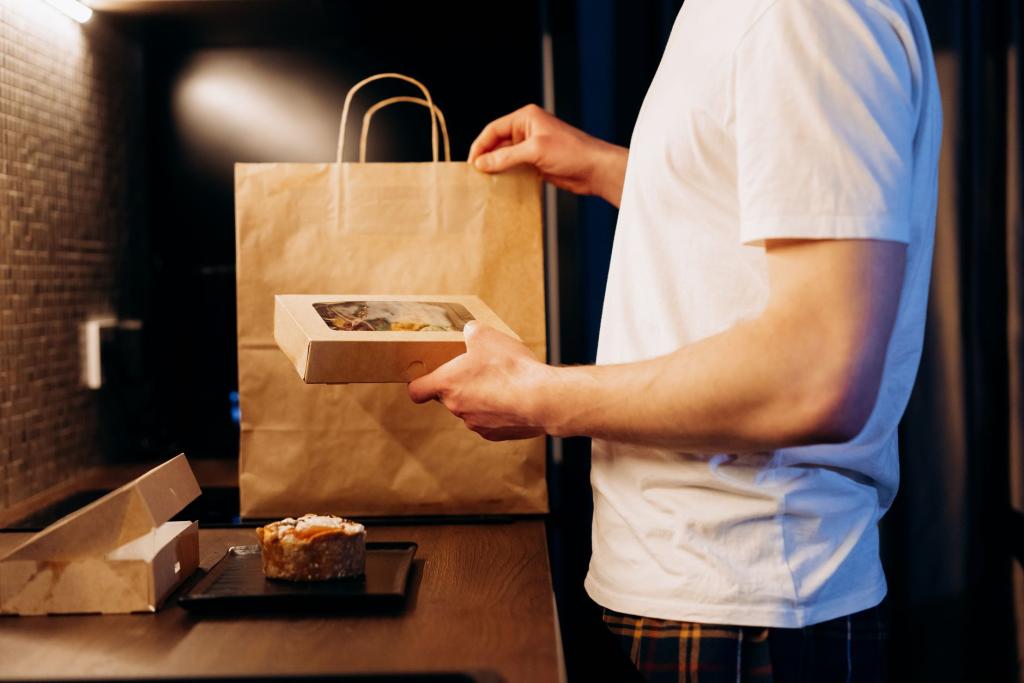
If you ordered takeout last week, you have plenty of company. Nearly every American adult — ninety-seven percent — used a convenience service such as food delivery, takeout, grocery delivery or an errand app in the past month, according to a new FinanceBuzz survey. Just over half say their convenience spending has climbed compared with five years ago, and the results show how convenience spending has gone from an occasional treat to a standing budget line — especially for Gen Z.
The poll reached two thousand US adults in August 2026 through the research firm Prolific, and it was released on September 14 alongside Bank of America consumer spending data. Together the datasets trace a habit that keeps growing even as the fees attached to it keep drawing complaints.
How Convenience Spending Grew Over Five Years
Five years ago, delivery apps were still fighting to become a weekly routine. Today the survey's near-universal usage figures show how completely convenience spending moved from indulgence to infrastructure. The pandemic years built the habit, but what kept it growing was the spread of options: the same person might order dinner through one app, run groceries through another and pay for errands through a third, often without tallying the combined total.
That breadth matters because it hides the real bill. Each service shows its own modest fees at checkout, and only at the end of the month — if ever — does the full weight of the habit come into view. For more kitchen-side context, browse the cooking and recipes section alongside this story.
Gen Z Orders the Most and Feels the Worst
The generational split is stark. Gen Z orders food delivery roughly four times a month, about three times as often as boomers, who average around one and a half. Yet Gen Z is also the generation most likely to say it feels guilty or embarrassed about its convenience spending, a tension the survey flags again and again. The group that relies on delivery most is the least comfortable defending it.
Sticker shock is also starting to cut into driver pay. About one in five respondents said they had skipped a tip on a delivery order because the meal and fees were already expensive, as reported by Restaurant News Resource — a sign that the convenience spending guilt does not stop at the wallet, it reaches the people doing the work.
Fees Are the Line in the Sand
Sixty-eight percent of respondents have abandoned a delivery order after seeing the final total with fees, according to the survey, and the walk-away rate runs far higher among Gen Z than among boomers. When asked how much they would tolerate in fees before switching to pickup, respondents on average named nine dollars and forty-nine cents, and the most common single answer was about five dollars.
Memberships are where the money quietly pools. Eighty-five percent of respondents pay for at least one convenience membership, averaging twenty-two dollars a month — roughly two hundred sixty-four dollars a year. The reader math is simple: tally what your convenience spending memberships cost over a year, then check whether the waived fees actually beat what a once-a-week pickup habit would save. For many people, one skipped delivery a week covers the entire membership, like last week's story on why pizza toppings make or break the slice — small choices that add up.
Why People Pay Anyway: The Time Math
Here is the counterpoint the survey makes hard to ignore. Americans value an hour of their own free time at eighty-seven dollars on average, more than twice the average hourly wage of thirty-seven dollars and sixty-two cents. Against that benchmark, a nine-dollar delivery fee starts to look like a bargain rather than a scam: the hours reclaimed are worth more than the surcharge surrendered.
A companion Tempo food-friction survey released in July puts the time at stake in plain terms, according to the release: Americans spend more than six hours a week — over three hundred hours a year — on meal planning, grocery shopping, cooking and cleanup. Forty-two percent said cooking has cut their relaxation time short, and thirty-eight percent admitted ordering takeout even though they had groceries at home, simply because they lacked the energy.
According to Melinda Sineriz, managing editor at FinanceBuzz, many customers are not really paying for the delivery at all — they are paying "not to think about it at all." That framing explains the guilt around convenience spending: the spending feels frivolous only until you price the evening it buys back.
The takeaway is less about quitting delivery than about making the math honest. Audit the memberships, know your fee threshold before you tap order, and tip when you can. Convenience spending will not disappear — it is a deliberate trade, and it pays to decide on purpose rather than by default.
Comments 0
No comments yet. Be the first to share your thoughts!
Leave a comment
Share your thoughts. Your email will not be published.