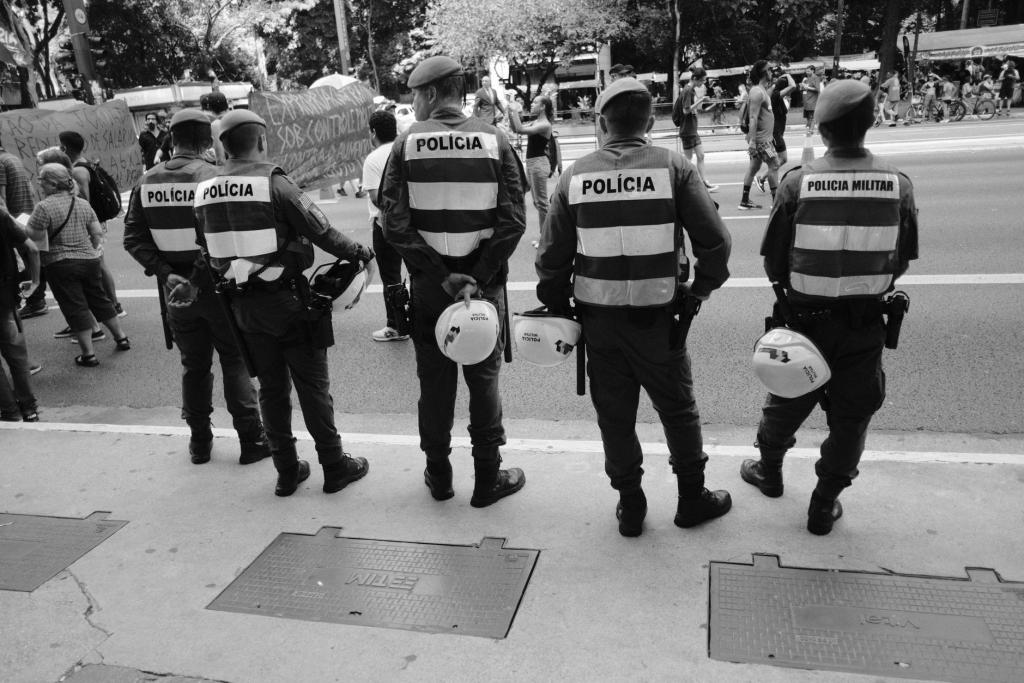
The France high school protests reached their largest scale yet on Monday, when students blockaded the entrances of around 180 schools across the country, according to the Interior Ministry. Police made 164 arrests during the day, and Interior Minister Laurent Nuñez said twelve members of the security forces, a dozen students and three school staff members were injured.
On Tuesday, the movement's leaders called for every high school in France to join the blockades, timing the action to a nationwide public-sector strike. Demonstrations continued in Lille, where masked students set bins on fire outside the Lycée César Baggio and clashed with police who fired tear gas, and in Nantes, where students piled dozens of bins in front of the Lycée Gabriel Guist'hau. A tense standoff between some thirty students and a contingent of police played out at the Arago school in Paris, while AFP reported blockades at four high schools in the southern Alpes-Maritimes and Var regions. Protests were also reported in Marseille, Bordeaux, Lyon and Sedan.
How one school's walkout went national
The wave began on September 21 at the Lycée Saint-Exupéry in Créteil, a suburb southeast of Paris, where students walked out because several teaching positions were still unfilled weeks into the school year, Le Monde reported. From there it spread across the Île-de-France region. By the end of last week, about 60 high schools in the Paris area had seen disruptions, and roughly 10 of them had been fully blocked. Of the 468 public high schools in the Paris region, about one in eight saw attempted blockades last week, Le Monde reported.
Social media spread the word. School authorities in Créteil and Versailles described an amplification effect from Snapchat, Instagram and TikTok, where students circulated posters carrying demands tailored to each school, and some of those posters were generated by artificial intelligence. USL president Ryad Rani told AFP the union decided to take the Paris-region movement nationwide because the same problems exist in every part of the country.
What the students want
The grievances are specific. Students cite a shortage of teachers and staff, run-down buildings, packed timetables and overcrowded classes, plus the stress of Parcoursup, the national platform used to apply for the first year of university. In Lille, students added their own list: too few resources, a cafeteria they say is too expensive, classrooms that are too hot in summer and too cold in winter, and bedbugs and broken showers in the boarding school.
In a statement, the Union Syndicale Lycéenne said the France high school protests are driven by problems that are not inevitable, blaming a decade of education policy and chronic underfunding of the national education system. A French union defending high-school students' interests called the blockades a legitimate response to the conditions teenagers face, the Geneva Times reported. The union tied the blockades to Tuesday's broader public-sector strike, when teachers and other state workers are also expected to walk out, turning the school protests into part of a larger day of national action.
The government pushes back
Prime Minister Sébastien Lecornu warned on Monday night that any further escalation would be irresponsible. In a post on X he wrote: "Fireworks, fires, violence near high schools: nothing justifies endangering students, staff, or police officers." Regional authorities reported vandalism and fireworks aimed at police during the blockades. Nuñez described the day's events as urban violence rather than a typical protest, saying some of those involved wore hoods and carried projectiles. Education Minister Édouard Geffray said on France Inter that democratic institutions cannot be bypassed through violence and attributed some of the incidents to outsiders.
The protests arrive months before a presidential election, and ministers and opposition figures have already clashed over them, with the government accusing the hard left of exploiting the students and the opposition accusing the government of ordering a crackdown. Whether the France high school protests keep growing may depend on what happens Tuesday, when the national blockade call meets the public-sector strike, and the core demand remains unchanged: enough staff and decent buildings.
Comments 0
No comments yet. Be the first to share your thoughts!
Leave a comment
Share your thoughts. Your email will not be published.