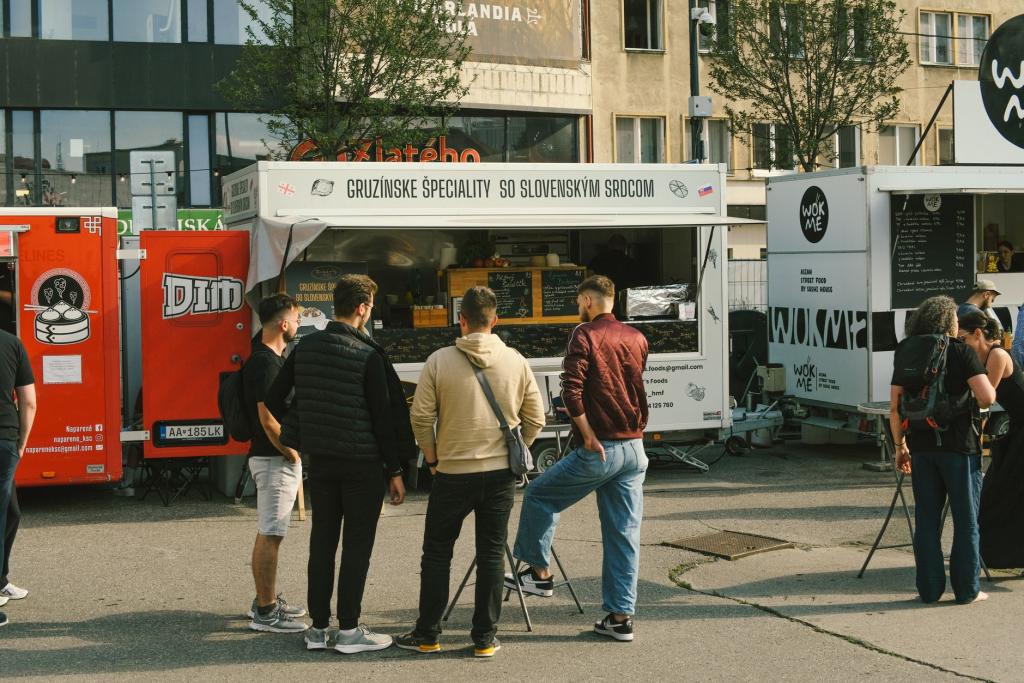
Food-First Travel is no longer a detour on the way to the sights. It is the reason for the trip. Priceline's Where to Next report, released this week, finds that 80% of Gen Z and Millennial respondents would consider booking a journey around a food experience, a sign that menus now rival landmarks when younger travelers pick a destination.
According to Priceline's announcement, trip planning now starts with what is on the menu rather than where to go. Travelers build entire journeys around a dish or snack flooding their feeds, from a fried cream sandwich in Tokyo to a family-run specialty that never trends at all. The company calls the pattern Phone to Table, a nod to the path from a clip on a phone screen to a table in another city.
Virality is only part of the draw. 33% of Americans say a dish is worth seeking out when it is a local or culturally distinctive specialty, which puts heritage cooking on equal footing with internet-famous bites. That split matters for how trips get planned. A viral dish can be gone in a week, while a regional specialty shaped by generations of cooking is still there when the feed moves on. The smartest food-led trips make room for both: one dish from the feed, and one dish the locals would pick.
Vacations That Double as Hometown Auditions
A second pattern, Vacation Vetting, treats a holiday as a trial run for a move. Two-thirds of Americans have wondered whether a destination would be a better place to live than their hometown. And 21% say they have already moved somewhere they first visited as tourists, turning a vacation into a relocation.
Younger travelers test everyday life rather than the tourist highlights. They shop at a local grocery store, grab coffee on a weekday morning, or browse home listings mid-trip. The grocery run is the point. A neighborhood that feels easy on a Tuesday tells you more about living there than a weekend of sightseeing ever could. For anyone weighing a move, that kind of low-key fieldwork beats a brochure.
Sharing Tastes With AI for a Tailored Trip
A third pattern, Personality Mapping, covers what travelers will hand over to AI in exchange for a trip shaped around them. 45% of Americans would share personality details with AI for the most tailored trip imaginable, rising to 61% among Gen Z respondents. The details on offer include personality types, value systems, love languages, and even excerpts from dream journals, all fed into recommendations meant to feel made for one person.
That willingness comes with an obvious trade. The more personal the input, the more personal the itinerary, and the more a traveler should weigh what a platform keeps and how it is used. A useful rule is to share tastes, not secrets: favorite cuisines, pace, budget priorities, and deal-breakers are plenty for a good itinerary. Anything that feels private can stay out of the prompt and still leave a trip that fits.
The Hype Check: Viral Dishes Have a Downside
Food-led trips have a catch, and it lands on the smallest rooms first. When a tiny spot goes viral, lines stretch, regulars get crowded out, and the dish that made the place famous can sell out before lunch. Restaurant trade coverage of the report notes that food-motivated visitors are looking beyond obvious culinary capitals, which spreads the attention, and the pressure, to smaller cities and neighborhood kitchens.
Hype can also set a trip up for a letdown. A dish filmed under perfect light, eaten fresh from the fryer, rarely matches the version served to the fiftieth person in line on a rainy afternoon. The fix is not to skip the famous bite, but to plan around it: go off-peak, book ahead where possible, keep a backup dish in mind, and treat the non-famous item on the menu as part of the experience rather than a consolation prize. Small spots reward patience and good manners more than any camera angle.
What It Means for Your Next Trip
For readers, the report points to a practical shift in how to plan. Start with the dish, then build the rest of the day around it: check opening hours and seasonal availability before booking anything, leave slack for a second visit, and save on one part of the trip to free up room for the meal that matters most. If a destination is also a possible future hometown, spend a weekday there, ride the local transit, and talk to people who live there. If an AI tool is shaping the plan, feed it preferences rather than private details. As Priceline executive Lesley Klein put it, travelers are being more deliberate about what they want a trip to deliver, and the planning now matches that intent.
The findings rest on a survey of 3,000 nationally representative U.S. adults conducted by Wakefield Research, plus a supplementary survey of 2,000 adults by Zappi focused on viral foods, alongside Priceline search data. The surveys were fielded in August and September 2026. Taken together, they describe a traveler who plans with more intent: the meal first, the move second, and the algorithm only as far as it earns trust.
Comments 0
No comments yet. Be the first to share your thoughts!
Leave a comment
Share your thoughts. Your email will not be published.