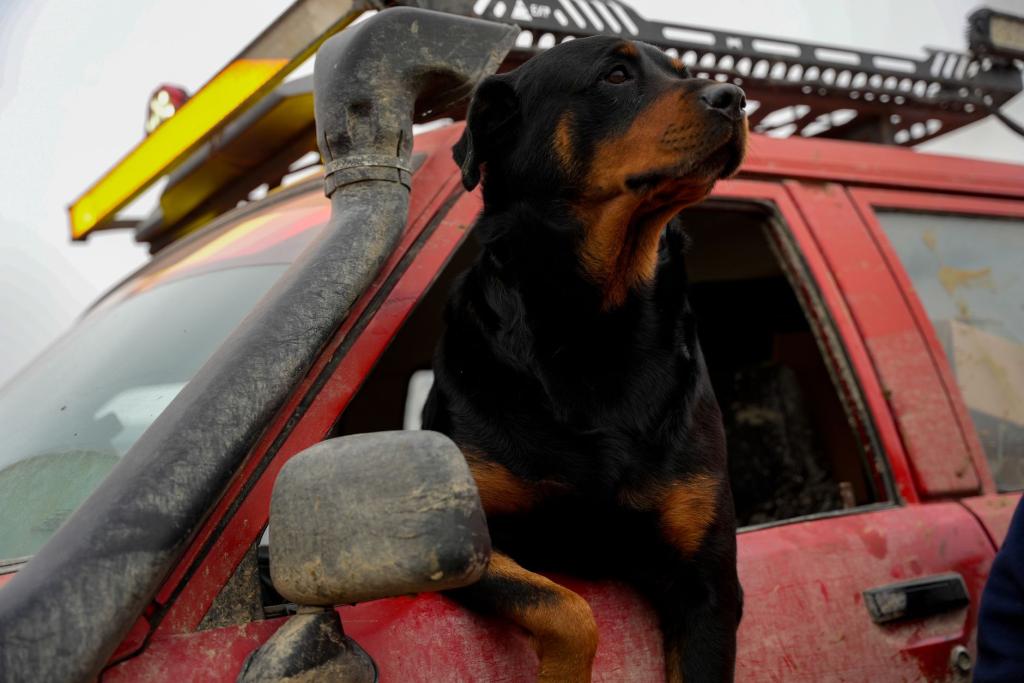
A dog in the back seat is now a bigger factor in American holiday planning than flight prices. A new national survey released on October 13 found that 73% of pet owners are more likely to take a road trip than fly, specifically so they can bring their pet along, according to the company's announcement of the findings. More than two-thirds, 68%, said their pet will affect their holiday travel plans this year, and 45% said they have already turned down travel opportunities that could not accommodate their animal.
The research was conducted by Talker Research for Subaru of America among 2,000 U.S. drivers who own cats or dogs, and it was fielded online between July 13 and July 17, 2026, according to the release. It lands just as the holiday season comes into view, and it documents a shift that is less about luxury travel and more about who counts as family. It also fits a broader 2026 pattern: travelers are organizing trips around experiences first, with pet-friendly adventures ranking among the fastest-growing categories.
The pet is not merely tagging along; in many households it is setting the itinerary. More than one in four owners said they may change holiday plans because of their pet: 10% will host instead of traveling, another 10% will shorten or simplify a trip to care for their animal, and 8% will skip certain gatherings entirely if their pet cannot join. And this is not last-minute scrambling: nearly half of respondents start planning a pet-friendly long weekend at least three weeks in advance, while 24% begin more than a month out.
Gen Z leads the four-legged travel shift
The youngest drivers are the most likely to build a trip around an animal. Among pet owners who have traveled with their animals, Gen Z and millennials are more likely than Gen X and baby boomers to have brought their pet home for the holidays, 35% compared with 22%. The pattern extends to road trips generally: 75% of Gen Z and 70% of millennials have brought a pet on a road trip in the past five years, compared with 58% of Gen X and 40% of boomers.
The generational gap shows up in intentions too. Younger owners are more likely to say they plan travel around their pet, with 42% of Gen Z and millennials doing so compared with 27% of Gen X and boomers. And among owners who have never road-tripped with a pet, 74% of the younger cohort would consider it, compared with 54% of older respondents.
"Holidays are meant for spending time with family, including our pets," said Christina Valente, the company's Love Promise Community Commitment Manager. She noted that animals hold a special place in the hearts and homes of the company's customers, and that the research shows pet owners across the country feel the same pull.
The car is being rethought around the pet
When pets ride along, what drivers want from a vehicle changes. Plenty of room between pets, passengers, and luggage topped the feature list at 32%, followed by good visibility to check on an animal at 29% and easy-to-clean seats and cargo areas at 27%. More than one in four respondents, 26%, prioritized cargo space for crates, carriers, beds, and gear, a share that climbs to 35% among hybrid and electric vehicle drivers.
The attachment runs deeper than logistics. Asked about their preferred driving companion, more than half of respondents, 51%, said they would rather travel with a pet than with another person.
Trevor Maki, the automaker's national product training manager, said having the right vehicle accessories for both the car and the animal helps keep everyone safe and comfortable, and he advised owners to match their gear to the specific pet they travel with.
The findings arrive alongside a broader October giving campaign. The Subaru Loves Pets initiative, run with participating retailers, will direct more than three million dollars in grants to local animal shelters across the country this year, with the funding distributed by the ASPCA, as auto connected car news reported. The grants are meant to cover the practical costs of getting animals ready for adoption, from veterinary care to pre-adoption preparation.
That giving sits alongside a striking figure from the ASPCA: roughly 5.8 million dogs and cats entered shelters and rescues in the United States in 2025. Subaru says that by the end of October, more than seventy-five million dollars will have gone to local and national animal welfare organizations since the program began, the same report noted.
The timing is deliberate. October is the company's month-long focus on pet adoption, and National Make A Dog's Day, a holiday the automaker created to spotlight shelter dogs that wait longest for homes, falls on October 22, 2026, with retailers hosting adoption days and microchipping clinics nationwide.
One note of caution belongs on the numbers. The survey was commissioned by Subaru, so the figures are the company's framing of the market rather than an independent measurement, though the scale of pet-driven travel behavior squares with what anyone who has planned a vacation around a dog already knows. The generational pattern is the finding that travels best beyond the sponsorship: young owners are not waiting for airlines to become pet-friendly; they are simply driving instead.
For readers sketching out their own holiday travel plans, the practical takeaway is to book pet-friendly arrangements early. Hotels that accept animals, rentals with space for crates, and routes with regular rest stops all fill up first, and if the survey is any guide, nearly half of pet-owning travelers are already three weeks into planning theirs.
Comments 0
No comments yet. Be the first to share your thoughts!
Leave a comment
Share your thoughts. Your email will not be published.