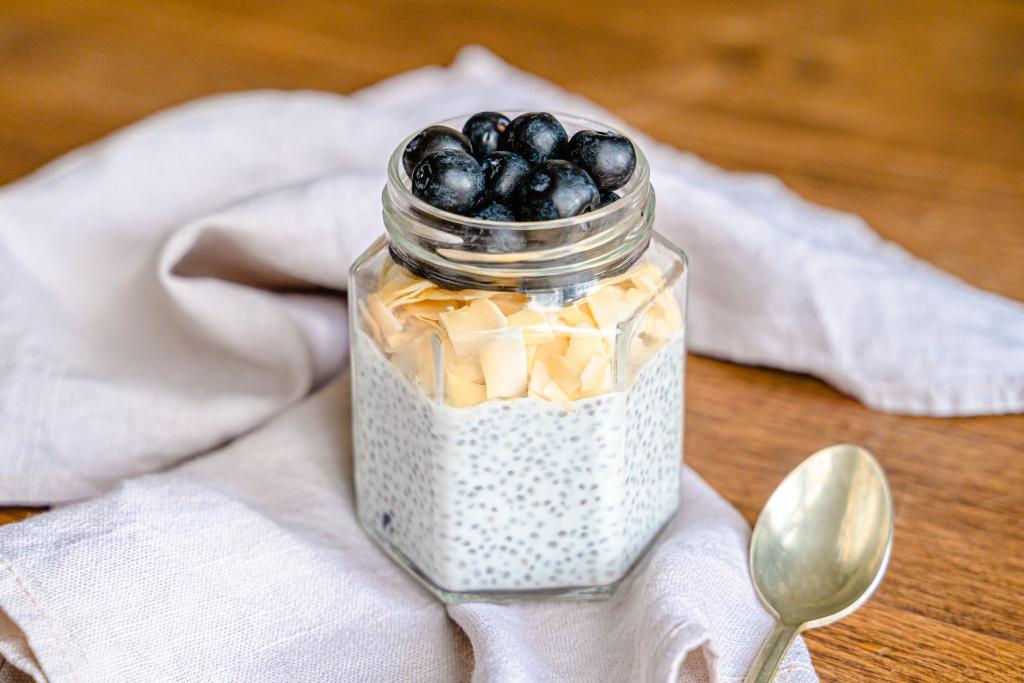
Protein had a long run as the macronutrient of the moment. Scroll through TikTok right now and you will find a new contender: creators competing over who can pack the most fibre into a single day, logging chia seed puddings, lentil stews, and bran-heavy breakfast bowls like it is a sport. The trend has a name, "fibre maxxing," and nutritionists have opinions about it.
The concept is simple enough. Fibre maxxing, which gained popularity on TikTok, describes the purposeful consumption of more fibre through food and supplements to improve overall health and perhaps support weight loss, according to NDTV. The twist is the dose. Instead of nudging intake up, maxxers aim between thirty and sixty grams of fibre a day, which is well above what most people currently eat.
That gap is real. Health Canada recommends about twenty-five grams of fibre a day for women and 38 grams for men, roughly fourteen grams for every thousand calories, according to Constant Health. Canadian adults average somewhere around fifteen to nineteen grams a day, so most are getting a bit more than half of the recommended amount. In the United States, roughly ninety-five percent of Americans fail to meet even the minimum fibre requirements, per 2 Minute Medicine. The trend is responding to a genuine shortfall.
What fibre maxxing asks you to do
The movement encourages eating at least 30 different plants a week, with creators piling on beans, lentils, seeds, whole grains, and vegetables, according to 2 Minute Medicine. Some versions of the trend go further, pushing intake to fifty grams a day or more, which is where clinicians start to wince. Metabolic health program Levels Health is a proponent of even higher levels, upward of 50 grams a day, according to the New York Examiner. The appeal is understandable. More fibre means better digestion, steadier blood sugar, and lower cholesterol, and the shift away from calorie counting toward thinking about what food does inside the body feels like progress.
The foods themselves are familiar. A short list of high-fibre staples worth keeping around includes raspberries at eight grams per cup, chia seeds at 10 grams per two tablespoons, basil seeds at 15 grams a serving, a medium apple with the skin on at 4 grams, and a slice of Ezekiel bread at about 3 grams, according to the New York Examiner. Lentils, black beans, a whole avocado, and air-popped popcorn round out the usual lineup. None of this is exotic, which is part of the point.
Why the experts are pushing back
The worry is the speed, not the fibre itself. Nutritionist Nmami Agarwal has taken to Instagram to address the trend, calling fibre maxxing another "viral gut health trend, but this one could backfire badly," according to NDTV. She said fibre is important, helping with cholesterol, blood sugar regulation, digestion, and even appetite. But too much too quickly, she warned, can do more harm than good.
Overloading on fibre without enough water can lead to bloating, constipation, gas, nutrient malabsorption, IBS flare-ups, and even dehydration, according to Agarwal via NDTV. Jumping from ten grams to fifty grams in a single week is both ineffective and unsafe, she said, because the gut needs time to adapt to a high-fibre diet. Her advice is to increase intake gradually, stay hydrated, and personalize the approach rather than copying someone else's daily total.
Dr Shriram Nene made a similar point with a joke. In a post on X on September 23, 2026, he wrote, "Somewhere, a bowl of dal is wondering why it needed a rebrand," according to NDTV Food. His argument was that many of the foods being discussed under the new term are already sitting in everyday kitchens: dal, chana, rajma, vegetables, and whole fruit. He called lentils and chickpeas, whole fruit, whole grains, and vegetables the "original fibre squad" and advised mixing fibre sources across the day. He cited the WHO's general recommendation of at least 25 grams of fibre a day for adults, adding that people should build toward it with a variety of plant foods instead of reaching it overnight. "Your gut doesn't need a surprise challenge," he wrote, according to NDTV Food.
How to do it right
If you want in on the spirit of fibre maxxing without the side effects, the playbook from clinicians is boring but effective. Start by swapping one refined grain for its whole-grain version this week, such as sourdough instead of white bread, or quinoa in place of white rice, suggests the New York Examiner. Add a single high-fibre food per meal rather than overhauling the entire day at once. Drink more water than usual, because fibre without fluid is what causes the backup.
It also helps to know what kind of fibre you are eating. Soluble fibre absorbs water and forms a gel and is found in oats, barley, beans, lentils, chia, and psyllium. Insoluble fibre adds bulk and keeps things moving and is found in whole grains, wheat bran, nuts, seeds, and vegetables. Fermentable fibres are broken down by gut bacteria, which can support gut health but may cause more gas and bloating; examples include beans, lentils, onions, garlic, and asparagus, according to Constant Health. If fibre tends to make you bloated, the fix is usually a slower increase rather than dropping fibre entirely.
There are exceptions. Anyone with IBS or another sensitive gut condition should treat a sudden fibre spike with caution, since it can trigger symptom flares, according to 2 Minute Medicine. Dr Nene made the same point, saying people with a digestive condition should check what suits them with their clinician. A chat with a healthcare provider is worth it if your gut is already complicated.
Fibre maxxing is one of the rare TikTok health trends built on something real. Most of us are under-eating fibre, and the staples the trend celebrates are cheap, accessible pantry foods. The backfire version only happens when the trend becomes a contest. Aim for the recommended amount, build up over weeks, and let your gut set the pace.
For more practical food moves, check out our Life Hacks and Mind & Body coverage, plus these pantry hacks that cut your grocery bill, since many of the highest-fibre foods are already in your cupboard.
Comments 0
No comments yet. Be the first to share your thoughts!
Leave a comment
Share your thoughts. Your email will not be published.