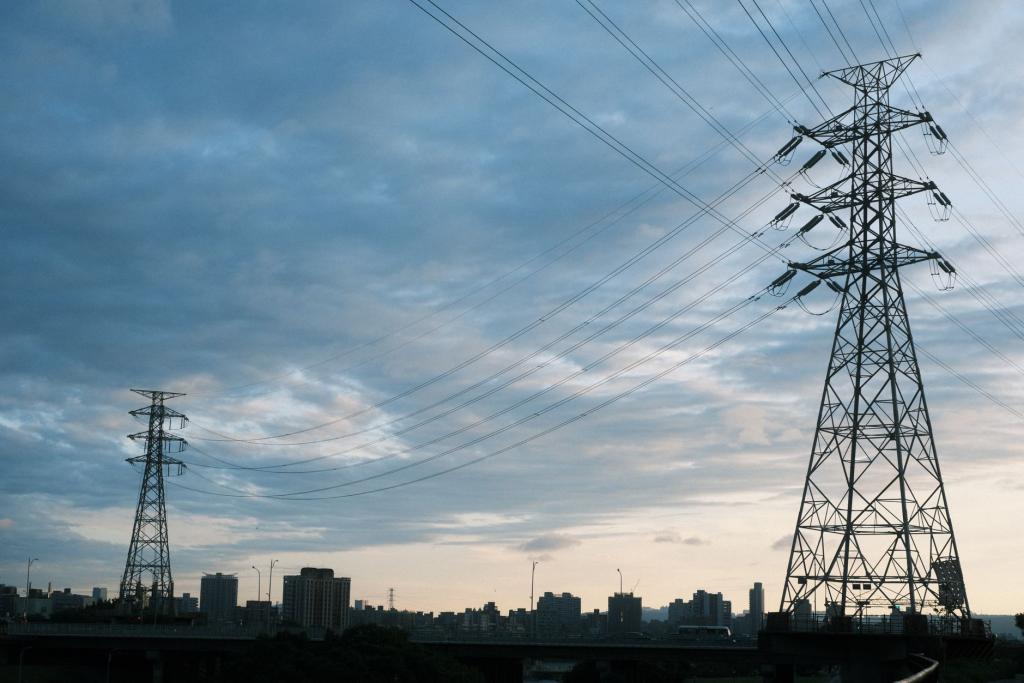
The Department of Energy issued an emergency order on Monday authorizing PJM Interconnection to call on additional power generation through Friday, a move aimed at heading off blackouts across thirteen states and Washington, D.C., as unseasonable October heat strains the electrical grid. The October Blackout Emergency order, issued under Section 202(c) of the Federal Power Act, takes effect Tuesday and runs through Oct. 16, allowing certain generating facilities to run beyond normal operating restrictions to keep electricity flowing.
PJM, the regional grid operator for the mid-Atlantic and parts of the Midwest, serves more than 60 million Americans across Delaware, Illinois, Indiana, Kentucky, Maryland, Michigan, New Jersey, North Carolina, Ohio, Pennsylvania, Tennessee, Virginia and West Virginia, according to Fox News Digital. The October Blackout Emergency declaration comes as rising electricity demand collides with scheduled fall maintenance at power plants and transmission facilities, leaving less spare capacity than the grid would normally carry into the heating season.
Why the grid is strained
A stretch of record-breaking October warmth is driving the surge. Temperatures across the Ohio Valley and mid-Atlantic are expected to climb into the 70s and 80s this week, pushing air-conditioning demand higher while generators sit offline for maintenance. NOAA's Weather Prediction Center said unseasonably warm weather will expand across the central and eastern United States through Thursday, with highs reaching the 90s and threatening longstanding daily records. AccuWeather predicted that daily high temperature records dating back more than 125 years could be challenged or broken in cities including Chattanooga and St. Louis, with temperatures running about 20 degrees above average across much of the region.
PJM spokesperson Jeff Shields told Fox News Digital that electricity demand is growing faster than new generating capacity can come online, and that unpredictable weather is leaving fewer windows for maintenance and construction. Planned maintenance periods now carry reliability risks that grid operators used to face mainly in summer and winter, Shields said. The October Blackout Emergency order gives PJM room to keep extra generation on standby, though PJM does not expect the emergency conditions to affect everyday customers.
Energy Secretary Chris Wright said the order "will help ensure millions of American families and businesses across the mid-Atlantic have access to affordable, reliable, and secure electricity by making additional power generation, including backup power, available to use as needed." Wright also blamed energy policies under former President Joe Biden for weakening grid reliability, arguing that restrictions on conventional energy production left the system more vulnerable. The action lands alongside a separate Energy Department push to support 84 Tennessee Valley Authority transmission and distribution projects representing about $581 million in planned investments, though that funding still awaits final approval.
Relief is coming, with a catch
The heat will not last. A powerful cold front is moving in from the central Plains, and forecasters say it will largely break summer's hold on the eastern half of the country by the weekend, according to USA Today. Highs in the South will fall into the sixties and seventies by the weekend, while the Northeast and Great Lakes drop into the fifties and sixties, with scattered highs only reaching the forties. The October Blackout Emergency order runs through Friday, and the cold front is expected to reach the East by the weekend. Along with the colder air, a storm diving south out of Canada could bring rain and showers from the Ohio Valley to New England, with a chance of snowflakes in the higher terrain of northern New York, Vermont, New Hampshire and Maine. AccuWeather expert meteorologist Peyton Simmers told USA Today that any snow "won't amount to much" and would fall only at the highest elevations, where it could coat the grass, adding that lake-effect rain is more likely for cities such as Erie and Buffalo.
The strain on power grids is not limited to the United States. In France, utility EDF is accelerating its climate adaptation plan for its nuclear fleet after extreme hot weather caused record disruptions this summer, Reuters reported. Environmental restrictions hit the fleet at levels more than four times the previous record, with over thirteen terawatt hours of output lost by early October, and some reactors remain limited by low river levels. EDF plans to add cooling towers that return discharge water to rivers at lower temperatures, part of a company adaptation program aimed at keeping reactors running through hotter summers.
Sources: Fox News Digital, USA Today, Reuters
Comments 0
No comments yet. Be the first to share your thoughts!
Leave a comment
Share your thoughts. Your email will not be published.