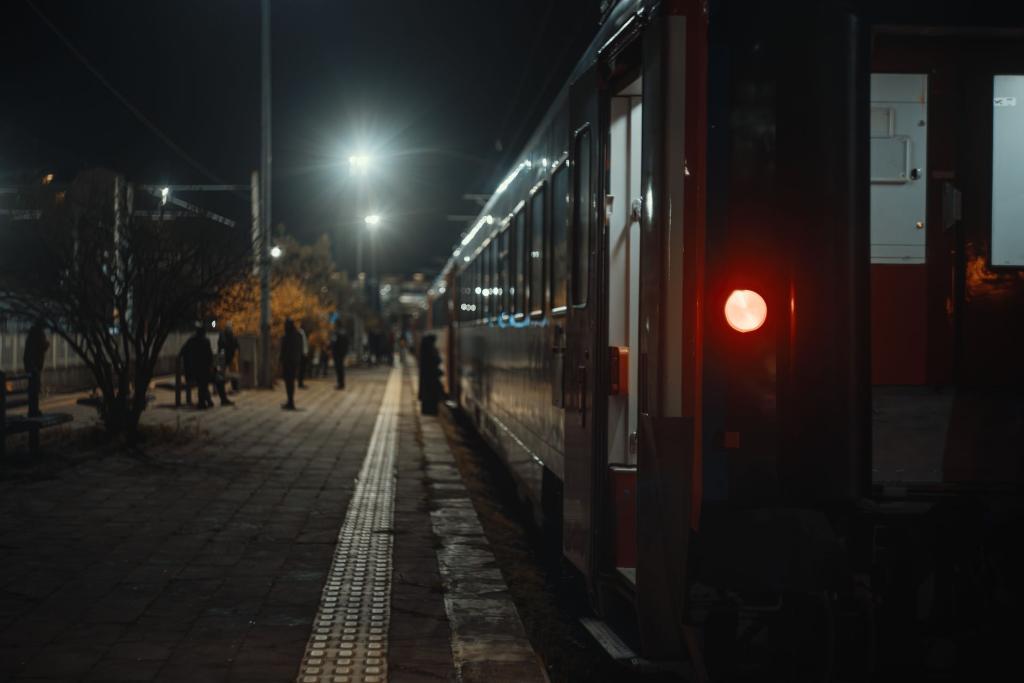
Night Trains are having a moment Europe has not seen in decades. Roughly two hundred five regular sleeper lines are scheduled across the continent in 2026, and the newest one, a Brussels-to-Milan overnight link that started running in September, took one cooperative's network from a single route to three in half a year, according to travel industry reporting.
The pitch is simple: fall asleep in one city and wake up in another, with the train fare doubling as the hotel bill. No airport security line, no 6 a.m. alarm for a budget flight, and you arrive in the city center instead of a field forty minutes outside it. For young travelers priced out of both hotels and peak-season airfare, that math is starting to beat flying.
From near-death to a second act
The comeback is remarkable because the collapse was so complete. Europe ran about two hundred overnight rail routes in the nineteen nineties, but by 2019 fewer than thirty remained, as low-cost airlines undercut the trains and national railways retired aging sleeper fleets rather than replacing them. Then the mood shifted: flight shame gave the unease about short-haul flying a name, climate policy put rail back on the agenda, and travelers, especially younger ones, started looking for the train on purpose. Austria's national operator read the shift early, investing in new rolling stock while others were still cutting, and independent newcomers moved in to run routes the big railways had abandoned.
European Sleeper, a Belgian-Dutch cooperative, is the emblem of the revival. The operator launched its overnight service to Italy on September 9, 2026, after track works in Germany and Swiss certification pushed the start back from June. Within six months the cooperative went from one route to three, linking the Belgian capital with Cologne, Zurich and Milan and giving travelers onward connections to Venice, Florence and Rome. More than two hundred fifty thousand travelers have already boarded its Good Night Train between Brussels, Amsterdam, Berlin, Dresden and Prague, and ticket revenue grew from about three and a half million euros in 2023 to roughly ten and a half million in 2025. The company raised three million euros from small investors at the end of 2025 and opened another million-euro round to fund the 2026 extensions, with nearly six thousand supporters signed on as co-owners.
Demand is the part nobody disputes. Austria's Nightjet carried one point eight million passengers in 2023, forty percent more than before the pandemic, according to its operator's figures. The volunteers who map the network count five fresh connections added for 2026 against about ten lost, a ledger that captures the revival's strange simultaneous growth and retreat. The new generation of Night Trains works best when travelers plan ahead: fares on the new corridor start at just under thirty euros for a budget seat, rising to about fifty for a classic compartment with a bed, and early booking plus rail-pass integration keeps the cheapest berths within backpacker range.
Why this winter is the time to try one
The route map keeps filling in. A new overnight service linking Basel with Copenhagen and Malmo is due to start in April 2026, opening a sleeper corridor from Switzerland into Denmark and southern Sweden. When the Paris-to-Berlin Nightjet was cancelled in December 2025, the cooperative stepped into the gap from March 2026 with its own Paris-Berlin service. And with the 2027 Winter Olympics heading to northern Italy, the new corridor into Milan is timed to absorb visitor flows that the region's hotels and airports could never handle alone.
The climate case is the sleeper's quiet superpower. A Vienna-to-Paris overnight journey emits roughly ninety percent less carbon dioxide than the equivalent flight, according to a European Environment Agency figure cited by travel analysts. That comparison lands differently now that wildfire haze is choking whole cities and floods are breaking century-old records: choosing the train is one of the few travel decisions where the lower-carbon option also saves you a hotel night. Stack that against holiday airfare hitting a ten-year high, and the economics start to look obvious.
None of this means the revival is secure. Demand clearly outstrips the number of beds, and the main thing holding it back is the slow, costly business of building new sleeper carriages, not a lack of passengers. Routes still vanish when track works or certification snags bite, as the summer delay showed. But the direction is unmistakable: a form of travel that was supposed to die with the budget airline is instead becoming the most interesting way to cross a continent. Book the berth, pack an eye mask, and let the border crossings happen while you sleep.
Comments 0
No comments yet. Be the first to share your thoughts!
Leave a comment
Share your thoughts. Your email will not be published.