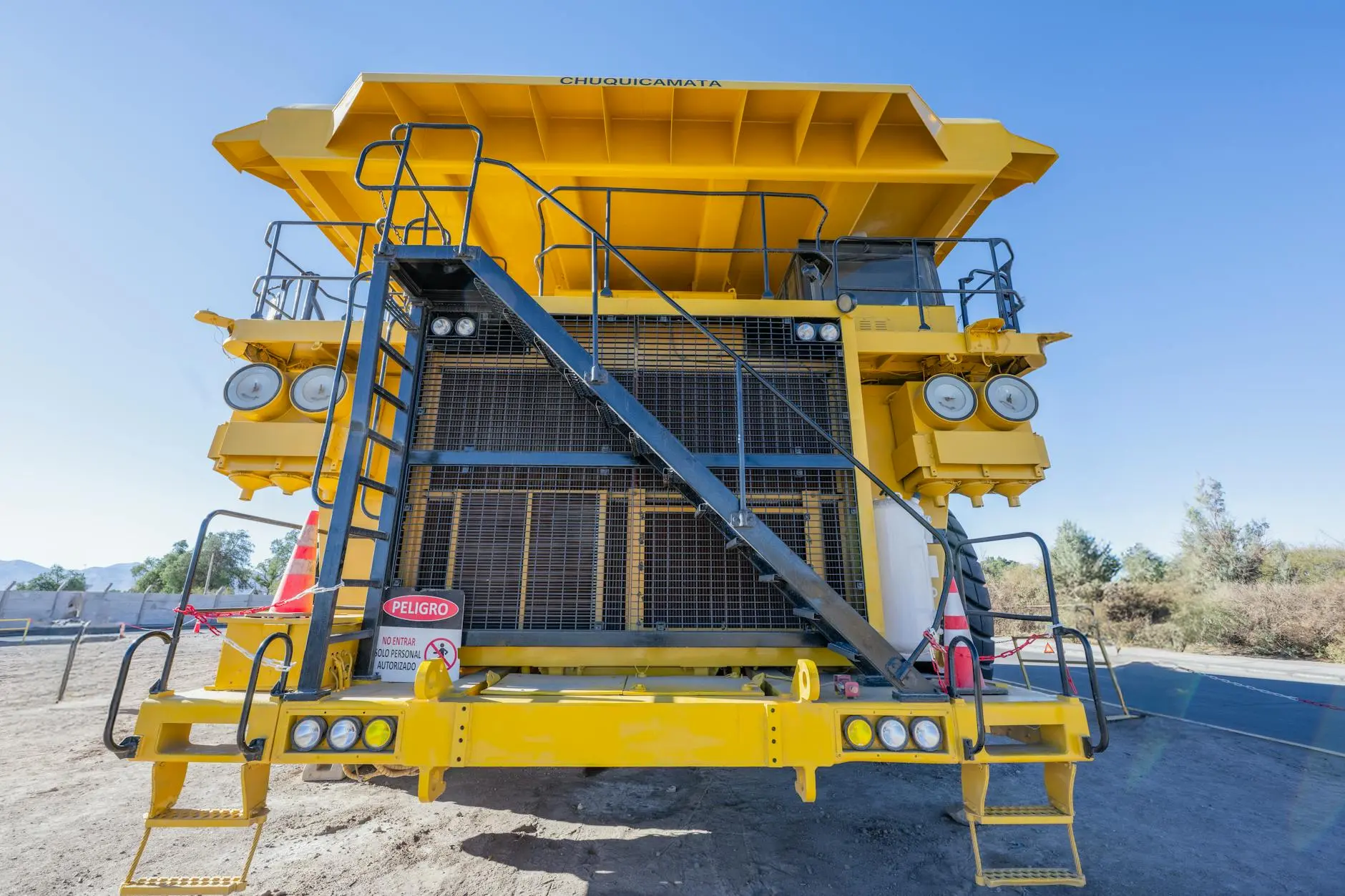
The mining industry is undergoing a dramatic green transformation as Chinese heavy equipment manufacturer XCMG signs a major partnership with Chile's state-owned copper giant Codelco. This collaboration aims to electrify and automate mining operations at the world's largest copper producer, marking a significant step toward sustainable extraction of the critical minerals powering the energy transition.
The Green Mining Revolution
Mining has long been associated with heavy diesel consumption and significant carbon emissions. Massive haul trucks running 24/7 at open-pit mines traditionally burn enormous amounts of fossil fuel. However, as the world pushes for decarbonization, mining companies face increasing pressure to clean up their operations – especially those extracting materials essential for renewable energy technologies.
According to International Mining, XCMG has signed a memorandum of understanding with Codelco that could transform the company's position in Chile. XCMG has already developed a full suite of zero-carbon mining equipment covering electric rigid and wide-body mining trucks, including cabless and autonomous capable models, large electric mining excavators, and electric loaders and dozers.
The partnership reflects growing industry consensus around electrification and intelligent transformation of mining equipment. As global mining operations face higher requirements for safety, energy consumption reduction, environmental protection, and efficiency, zero-emission equipment has shifted from experimental concept to business necessity.
XCMG's Electric Mining Fleet
XCMG is not a newcomer to the mining equipment sector. The company already has equipment operating in Chile, including its XDE130 truck at Pucobre's El Espino project. However, the new partnership with Codelco represents a potential quantum leap in market presence and technological deployment.
The Chinese manufacturer's electric mining truck lineup includes massive haulers capable of operating autonomously without human drivers. These cabless vehicles can navigate mining environments using sensors and artificial intelligence, reducing both labor costs and safety risks while eliminating diesel emissions entirely.
Battery technology has finally advanced to the point where electric mining equipment can match or exceed the performance of diesel counterparts. Modern battery systems provide sufficient power for heavy hauling operations while withstanding the harsh conditions of open-pit mining environments. Fast-charging infrastructure and battery swapping systems keep equipment operational around the clock.
Why Codelco Needs Green Mining Solutions
Codelco faces a unique challenge. As Chile's state-owned copper producer and the world's largest copper mining company, it must balance environmental responsibilities with maintaining massive production volumes. The company produces more copper than any other single entity globally, making its environmental footprint significant.
According to Fine Day Radio, Codelco has also partnered with Microsoft to explore AI applications in mining operations. Codelco CEO Ruben Alvarado emphasized that working with technology leaders consolidates their leadership in the future of mining. Microsoft Latin America President Tito Arciniega noted that AI represents significant potential to advance development in the mining sector, facilitating safer, more efficient, and sustainable operations.
These dual partnerships – one focused on electrification with XCMG and another on artificial intelligence with Microsoft – signal Codelco's commitment to modernizing its operations across multiple technological dimensions simultaneously.
The Environmental Impact of Electric Mining
The environmental benefits of electrifying mining operations extend beyond direct emissions reductions. Diesel engines in heavy equipment produce significant noise pollution, affecting both wildlife and nearby communities. Electric motors operate almost silently by comparison. The elimination of diesel combustion also removes local air pollutants that impact worker health.
However, the sustainability equation requires examining the full lifecycle. Electric mining equipment requires batteries, and battery production has its own environmental footprint. Mining companies must ensure that the transition to electric equipment does not simply shift pollution from operations to battery manufacturing.
The long-term vision involves powering mining operations with renewable energy. Chile possesses abundant solar resources in the Atacama Desert, where many copper mines operate. Electric mining equipment charged by solar power could dramatically reduce the carbon footprint of copper extraction, creating a cleaner supply chain for the metals essential to renewable energy infrastructure.
Implications for Gen Z and Future Careers
For young people considering career paths, the mining industry's technological transformation opens new opportunities. Traditional mining jobs are evolving into roles requiring expertise in electric drivetrains, battery systems, autonomous vehicle software, and renewable energy integration. Mining companies increasingly need workers with backgrounds in electrical engineering, computer science, and sustainability management alongside traditional mining engineering.
The electrification trend also creates opportunities in equipment manufacturing and maintenance. Companies like XCMG are expanding their global presence, creating jobs in engineering, manufacturing, sales, and service. The shift toward autonomous electric vehicles requires technicians skilled in both mechanical maintenance and software diagnostics.
Environmental considerations are becoming central to mining operations rather than peripheral concerns. Young professionals entering the industry today will likely spend their careers working within sustainability frameworks that would have been unimaginable to previous generations of miners.
Challenges and Future Outlook
Despite the promise of electric mining equipment, significant challenges remain. Battery technology must continue improving to handle the extreme conditions of mining environments, including dust, vibration, and temperature variations. Charging infrastructure must be built at remote mine sites, often far from existing electrical grids.
The upfront costs of electric mining equipment currently exceed diesel alternatives, though operating costs are typically lower. Mining companies must make long-term investments with confidence that battery technology and charging infrastructure will continue advancing.
Regulatory frameworks are also evolving. Chile's new government under President Jose Antonio Kast is expected to pursue regulatory reforms affecting the mining sector. Environmental regulations may increasingly favor or mandate cleaner mining technologies, accelerating adoption of electric equipment.
The XCMG-Codelco partnership represents an early but significant step in mining's green transformation. If successful, this collaboration could serve as a model for electrifying mining operations globally, demonstrating that large-scale zero-emission copper extraction is technically and economically viable. For an industry essential to the energy transition, cleaning up its own operations has become an imperative that can no longer be deferred.
For more coverage of sustainable mining, clean technology, and the future of industrial operations, see the latest analysis on green mining innovations and electrification trends.
Comments 0
No comments yet. Be the first to share your thoughts!
Leave a comment
Share your thoughts. Your email will not be published.