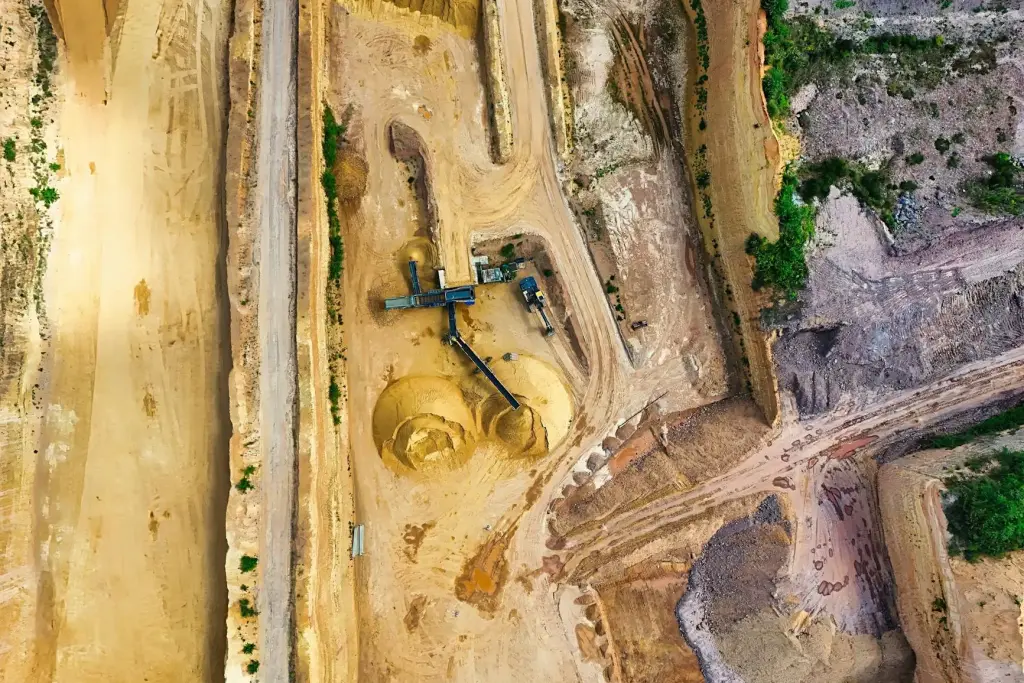
Mining giant BHP is making one of the largest industrial investments in history with its massive BHP copper investment in Chile. The company is investing up to $14 billion to expand copper production, signaling what analysts are calling a new industrial supercycle. This capital commitment will directly impact everything from AI data centers to electric vehicles and your future career opportunities. According to Mining.com, this move positions BHP to dominate the minerals that power the modern world.
Why BHP Copper Investment Signals a Shift
The BHP copper investment represents a strategic pivot toward the metals powering the energy transition. Copper has become the most strategically important metal on Earth, essential for electrical wiring, renewable energy systems, and AI data centers worldwide. A single large data center can require millions of pounds of copper for cooling systems and power distribution. As Reuters has reported, copper demand is expected to double by 2035 as electrification accelerates globally.
The clean energy transition is driving unprecedented copper demand. Electric vehicles use four times more copper than gasoline cars. Solar panels, wind turbines, and battery storage systems all require substantial copper content. Chile already produces about 25% of the world's copper, making it the undisputed heavyweight in this critical resource that BHP is betting on.
What the BHP Copper Investment Builds in Chile
BHP's investment focuses on expanding existing massive mining operations and deploying new extraction technologies. The company plans to increase production at its Escondida and Spence mines while implementing automation and AI-driven efficiency improvements. This BHP copper investment isn't just about digging more holes—it is about using cutting-edge technology to extract copper more sustainably and efficiently than ever before.
The bet on Chile specifically reflects confidence in the country's regulatory stability and mineral wealth. With some of the largest known copper reserves on the planet, Chile offers long-term production potential that few other regions can match. According to Financial Times reporting, BHP has declared copper its strategic priority, reflecting a fundamental shift in how mining giants view the energy transition.
How BHP Copper Investment Affects Gen Z
This massive BHP copper investment will ripple through your life in ways you might not expect. The demand for copper directly impacts the price of electronics, EVs, and renewable energy systems. If supply cannot keep up with demand, everything tech-related could become more expensive. Conversely, successful expansion could help lower long-term costs for the technologies central to addressing climate change.
The skills required for modern mining are also shifting dramatically. BHP and other majors are hiring data scientists, automation specialists, and renewable energy engineers alongside traditional geologists. For Gen Z entering the workforce, mining is becoming a technology career as much as a resource extraction industry. Remote operations centers use VR and AI to control equipment thousands of miles away from actual mine sites.
The Global Copper Supply Crunch
Industry experts have warned of a looming copper supply deficit that could reach millions of tons annually by the end of this decade. This is exactly why the BHP copper investment matters so much. Existing mines are aging, and new discoveries have become rare. Environmental regulations and community opposition have made opening new mines increasingly difficult worldwide. This supply crunch is precisely why BHP is betting so heavily on expanding proven operations rather than developing greenfield sites.
The stakes extend to national security. According to US Department of Energy reports, countries like the United States and European Union members are increasingly worried about securing stable copper supplies for their energy transitions. Chile's role as a stable, democratic copper superpower makes it a critical partner for Western economies looking to reduce dependence on other resource suppliers.
Environmental Questions Around Copper Mining
The BHP copper investment inevitably raises environmental concerns that Gen Z cares deeply about. Copper extraction is energy-intensive and water-intensive, particularly in Chile's arid north where many major mines operate. BHP has committed to desalination plants and renewable energy sourcing to reduce its environmental footprint, but critics argue that any expansion of extractive industries conflicts with ecological preservation goals.
Local communities in mining regions also face complex trade-offs. The jobs and economic development that mines bring must be weighed against water usage and landscape disruption. Chile's government has implemented stricter environmental and community consent requirements, making BHP's regulatory bet a significant vote of confidence in the country's governance framework for responsible resource development.
What Comes Next for Copper Markets
The BHP copper investment will play out over the next decade as projects move through planning, construction, and into production. The company faces technical challenges, including processing lower-grade ores as high-quality reserves deplete. Success is not guaranteed, but the strategic imperative is clear: copper is the infrastructure metal of the future, and securing supply chains now will determine which companies and countries lead the next industrial era.
For Gen Z watching this unfold, the takeaway is about interconnection. Your smartphone, your future electric car, the AI tools you use daily, and the renewable grid needed to power them all depend on supply chains that start in places like Chilean copper mines. Understanding these connections matters because they shape career opportunities, prices, and environmental outcomes that will define your generation's world.
Comments 0
No comments yet. Be the first to share your thoughts!
Leave a comment
Share your thoughts. Your email will not be published.