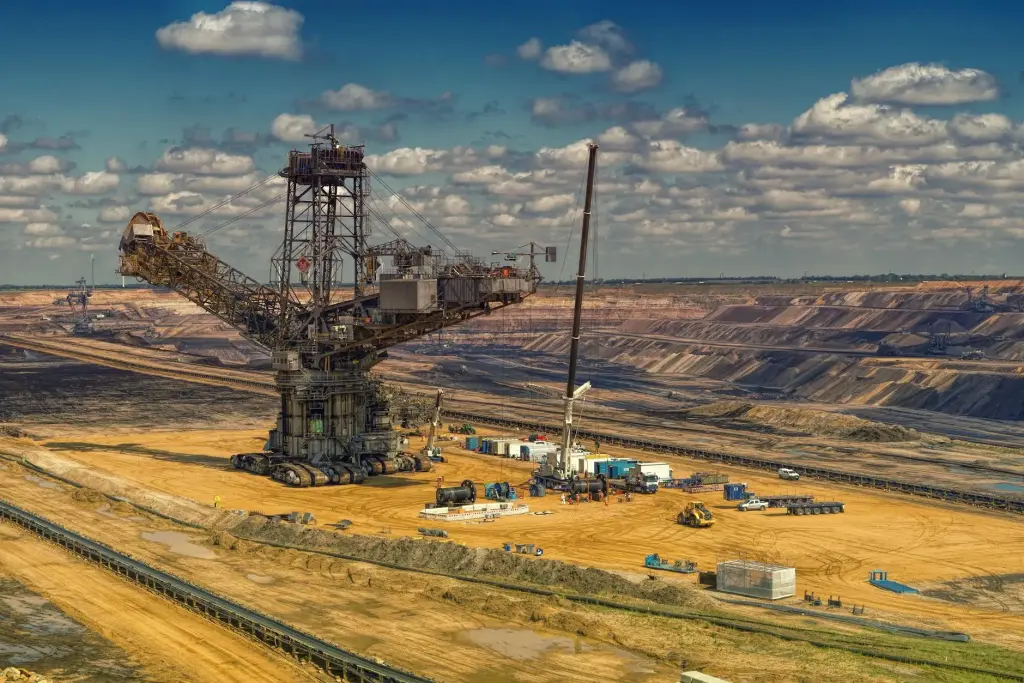
Mining giant BHP is making a historic $14 billion bet on copper mining in Chile, positioning itself at the center of a global resource race driven by artificial intelligence and the clean energy transition. With copper prices hitting record highs near $14,500 per metric ton, this massive investment signals a critical response to a looming supply gap that threatens technological advancement worldwide. The copper mining industry is experiencing a transformative moment as demand from data centers and renewable energy projects continues to surge.
Why Copper Is the New Oil for the Digital Age
The global economy is facing what analysts call the "copper cliff"—a structural deficit where existing production could fail to meet even 60% of global demand by 2028. This shortage is fueled by two major forces: the explosive growth of AI data centers and the accelerating transition to renewable energy. According to industry research from Mining.com, modern AI facilities require three to four times more copper than traditional data centers for power distribution and specialized cooling systems. The copper mining sector must rapidly expand to meet these unprecedented demands.
Meanwhile, electric vehicles, solar panels, and wind turbines all depend heavily on copper wiring, creating unprecedented pressure on global supply chains. The industry has entered what experts describe as a "new industrial supercycle" driven by the global energy transition and the explosive growth of AI infrastructure. Copper mining operations worldwide are scrambling to increase output as prices hit record levels.
Inside BHP's Massive Investment Strategy
The mining giant's strategy centers on two major Chilean operations. At Escondida, the world's largest copper mine, BHP is finalizing a $5.9 billion new concentrator to replace aging infrastructure and process lower-grade ores more efficiently. Ore grades at the site have slipped to approximately 0.93%, forcing operators to process significantly more rock to maintain output levels. This challenge requires advanced milling technologies to handle harder, lower-grade sulfide ores that were previously deemed too expensive to process. BHP's official announcement notes that this represents their largest single-country investment in over a decade.
Simultaneously, the company is investing $3.5 billion to revitalize its Pampa Norte division, including reopening the Cerro Colorado mine through advanced "supergene leaching" technology that extracts copper from previously uneconomical waste rock. The capital intensity of modern copper mining has surged to $23,000 per tonne of capacity, creating significant barriers that only the largest players can overcome. By committing billions to these flagship assets, BHP is attempting to manufacture a bridge over the supply chasm that threatens global technological progress.
Chile's New Government Boosts Mining Ambitions
The timing of BHP's copper mining investment aligns with a major shift in Chilean politics. Following the March 11, 2026 inauguration of President José Antonio Kast, the new administration has moved quickly to streamline the country's complex permitting system. Former BHP executive Santiago Montt was appointed Mining Minister to oversee a $105 billion backlog of mining projects. Reuters reports that the government aims to reduce the 500-plus permits currently required for a single project, providing regulatory tailwinds that have sparked bullish market reactions from investors.
Mining accounts for nearly 12% of Chile's GDP, making these policy changes critical to the national economy. If BHP succeeds in expanding its copper mining operations, Chile will remain the heart of the global market for this essential metal. The synergy between BHP's capital and Chile's new regulatory environment has provided a much-needed boost to the local economy and mining communities throughout the country.
The Winners and Losers of the Resource Supercycle
BHP stands to capture the "green premium" as copper becomes as strategically vital as oil was in the 20th century. Joint venture partners including Rio Tinto and Lundin Mining are also positioned to benefit from shared infrastructure and expanded copper mining production capacity. The primary winners in this expansion are the companies positioned to supply the green energy and AI revolution with essential raw materials needed for the transition to a low-carbon economy.
However, smaller copper mining firms lacking the capital to invest in multi-billion dollar desalination plants and advanced leaching technologies face shrinking margins as ore grades decline globally. The industry is experiencing a definitive shift from simple extraction to sophisticated innovation, with BHP's investment in leaching technology representing a pivot toward advanced chemical engineering rather than traditional mining approaches. Companies that cannot adapt to these technological demands risk being left behind in the new industrial supercycle.
What This Means for Gen Z and the Future
BHP's copper mining investment represents more than a business expansion—it is an insurance policy for the global economy. By betting billions on Chilean regulatory stability and advanced extraction technology, the company is attempting to close a supply gap that threatens the pace of technological advancement. If successful, Chilean copper mining operations will provide essential materials for an electrified, AI-driven world that Gen Z will inherit and shape through their careers and lifestyle choices.
However, failure to overcome declining ore grades could transform the copper crunch from a market challenge into a global economic crisis affecting everything from smartphone production to electric vehicle manufacturing. As copper mining becomes the new strategic asset for the digital age, the companies that own the largest, most technologically advanced mines will hold the keys to the kingdom. Investors and young professionals entering the workforce should keep a close watch on Chilean legislative updates and quarterly production reports from major copper mining operations, as these will signal the health of the infrastructure powering their digital future.
Sources: MarketBeat via The Chronicle-Journal, Mining.com Industry Research, Reuters Chile Mining Coverage
Comments 0
No comments yet. Be the first to share your thoughts!
Leave a comment
Share your thoughts. Your email will not be published.