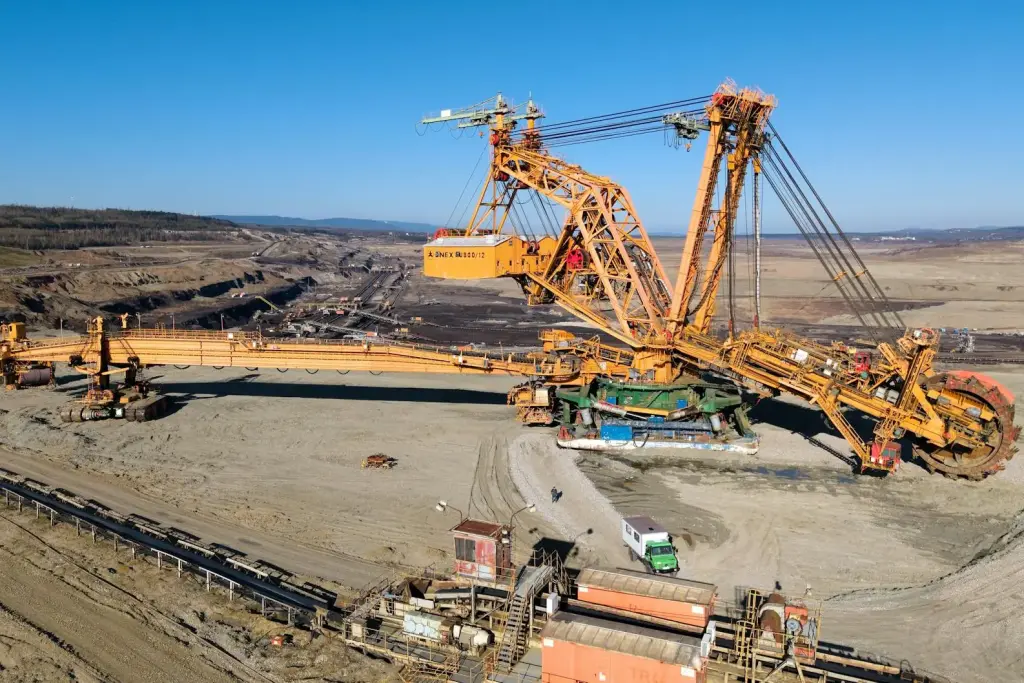
The global mining industry is witnessing a historic capital pivot as BHP (NYSE: BHP; ASX: BHP) accelerates a massive $10 billion to $14 billion investment strategy in Chile. This aggressive move directly addresses the worsening copper shortage and signals that the mining sector has officially entered what analysts are calling a "new industrial supercycle"—driven by two powerful engines: the global energy transition and the explosive growth of artificial intelligence infrastructure.
Why Copper Is the New Gold
Copper has emerged as the strategic commodity of the decade. According to mining industry reports, a significant copper shortage is forecast over the next 15 years as existing supply constraints continue to pressure global markets. The metal is essential for everything from electric vehicle batteries to the massive data centers powering AI models like ChatGPT and Claude.
"Copper is the new strategic asset," industry analysts note. "The companies that own the largest, most technologically advanced mines will hold the keys to the kingdom." This reality has pushed BHP to double down on Chile, which remains the world's largest copper producer, accounting for roughly a quarter of global mined supply. The copper shortage threatens to slow the pace of technological advancement worldwide.
The AI Data Center Connection
The link between copper and artificial intelligence might not be obvious at first glance, but it's direct and massive. AI data centers require enormous amounts of electricity and copper wiring to function. According to the U.S. Energy Information Administration, American electricity consumption is projected to reach 4,267 billion kilowatt-hours in 2026—a new record driven primarily by AI infrastructure demand.
The copper shortage is particularly acute in the technology sector. BlackRock CEO Larry Fink has warned that the U.S. could run out of electricians needed to build AI data centers, highlighting the cascading resource constraints triggered by the AI boom. In response, BlackRock has pledged $100 million to train plumbers, electricians, and HVAC technicians.
Chile's state-owned mining giant Codelco has also recognized this trend, partnering with Microsoft to explore artificial intelligence applications in mining operations. The collaboration aims to make extraction safer, more efficient, and more sustainable while helping address the global copper shortage.
BHP's Big Bet on Chile
BHP's investment isn't just about expanding production—it's about securing the future of global technology. By betting billions on the stability of Chile's regulatory environment and the effectiveness of new extraction technology, BHP is attempting to close the copper shortage gap that threatens the pace of technological advancement worldwide.
The investment comes as Chile's mining sector faces a policy reset under President José Antonio Kast, who took office with promises of regulatory reform and stronger security for mining operations. This political stability is crucial for long-term capital commitments like BHP's as the company works to solve the copper shortage.
Other mining companies are following suit. Harmony Gold, traditionally focused on precious metals, reported that copper contributed to revenue growth for the first time in its half-year financial report. The South African company is now aggressively pursuing copper projects in Australia to capitalize on surging demand amid the global copper shortage.
What This Means for Gen Z
For Gen Z, this copper shortage has real-world implications. The shortage could make everything from smartphones to electric cars more expensive. It also raises questions about sustainable mining practices and whether the rush to extract more copper will prioritize speed over environmental responsibility.
However, the investment also signals opportunity. As Chile and other copper-rich nations expand their mining operations to address the copper shortage, new jobs in technology, engineering, and environmental management will emerge. For a generation entering the workforce, the mining industry's tech-driven transformation offers career paths that didn't exist a decade ago.
BHP's massive bet on Chilean copper is more than a business decision—it's a vote of confidence in the continued expansion of AI, renewable energy, and electric transportation. If the investment succeeds, it could secure the copper supply needed to power the next generation of technological innovation and finally ease the global copper shortage.
Sources: Mining.com, CNBC, Reuters
Related coverage: Continue with the latest GenZ NewZ headlines, more business coverage, BHP's $14B Copper Mining Bet Powers AI and Green Energy Revolution, BHP Copper Investment: $14 Billion Bet on Chile to Power Tech Future, and BHP\u2019s Massive Copper Investment Signals New Industrial Supercycle.
Comments 0
No comments yet. Be the first to share your thoughts!
Leave a comment
Share your thoughts. Your email will not be published.