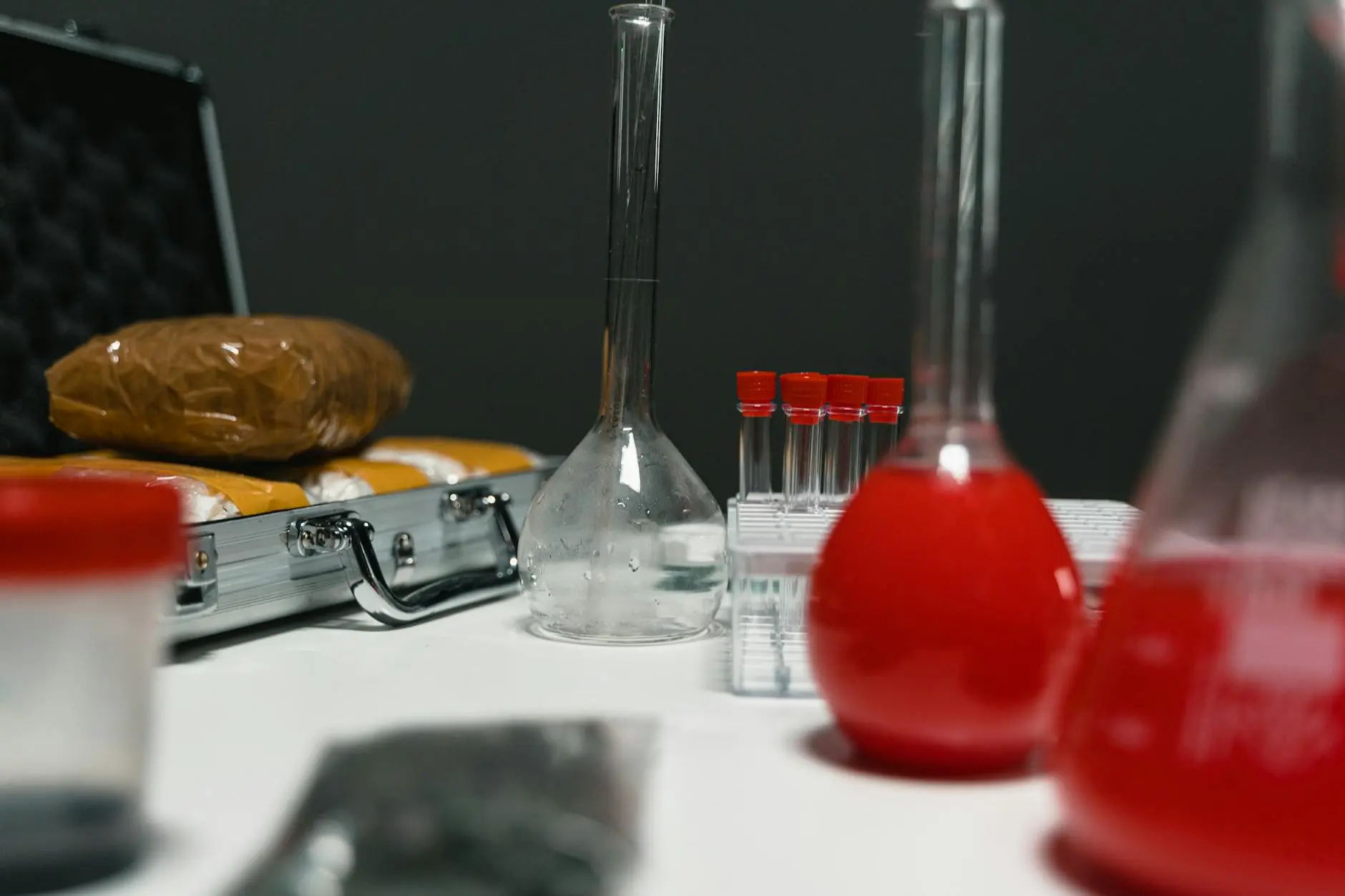
The field of pharmaceutical research is undergoing a seismic shift, driven by the rapid advancement of artificial intelligence. At the forefront of this transformation is **AI drug discovery**, a groundbreaking approach that leverages machine learning and deep learning algorithms to accelerate the identification of novel drug candidates. By analyzing vast datasets, predicting molecular interactions, and optimizing drug design, **AI drug discovery** is reducing the time and cost traditionally associated with bringing new therapies to market. According to researchers, this technology has the potential to cut drug development timelines from an average of 10-15 years to as little as 3-5 years, while significantly lowering failure rates.
The Evolution of AI in Drug Discovery
The journey of **AI drug discovery** began in the early 2000s when researchers first started exploring computational methods to complement traditional experimental approaches. However, it was the advent of big data and the exponential growth of computing power in the 2010s that truly unlocked the potential of AI in pharmaceuticals. Companies like Insilico Medicine, Atomwise, and Exscientia emerged as pioneers, demonstrating how AI could revolutionize the drug discovery pipeline.
One of the most notable milestones in **AI drug discovery** was the development of generative AI models, which can design novel molecular structures with desired properties. In 2020, Insilico Medicine used its AI platform to identify a potential treatment for idiopathic pulmonary fibrosis in just 46 days, a process that typically takes years. According to researchers at the company, this achievement marked a turning point for the industry, proving that AI could outperform traditional methods in speed and efficiency.
How AI Drug Discovery Works
The process of **AI drug discovery** involves several key steps, each enhanced by artificial intelligence. First, AI algorithms analyze vast datasets, including genomic information, protein structures, and existing literature, to identify potential drug targets. These targets are typically proteins or genes associated with a particular disease. Machine learning models then predict how small molecules or biologics might interact with these targets, identifying promising candidates for further testing.
One of the most powerful tools in **AI drug discovery** is molecular docking simulation, which uses AI to predict how a drug molecule will bind to its target protein. This allows researchers to prioritize compounds with the highest likelihood of efficacy. Additionally, generative AI models can design entirely new molecules from scratch, optimizing them for properties like solubility, stability, and minimal side effects. According to a study published in Nature, these AI-designed molecules have shown success rates of up to 30% in preclinical trials, compared to just 5-10% for traditional methods.
Success Stories and Real-World Applications
The impact of **AI drug discovery** is already being felt across the pharmaceutical industry. In 2021, Exscientia partnered with pharmaceutical giant Bayer to develop a novel treatment for obsessive-compulsive disorder (OCD). The AI platform identified a lead candidate in just 12 months, a fraction of the typical 4-5 year timeline. This drug, currently in Phase II clinical trials, exemplifies how AI is accelerating the development of psychiatric drugs, a notoriously challenging area.
Another notable example is the work of Atomwise, which used its AI platform to discover potential treatments for Ebola during the 2014 outbreak. By screening over 7 million compounds in a matter of days, the company identified several promising candidates that could inhibit the virus. This rapid response capability highlights the potential of **AI drug discovery** in addressing global health crises.
In the field of oncology, **AI drug discovery** has led to the identification of novel targeted therapies. For instance, researchers at the National Institutes of Health (NIH) have used AI to analyze tumor genomics and develop personalized cancer treatments. According to a report from NIH, these AI-driven approaches have improved survival rates for certain types of cancer by identifying drugs that specifically target mutations in individual patients.
Challenges and Limitations
Despite its promise, **AI drug discovery** is not without challenges. One of the primary limitations is the quality and availability of data. AI models require large, high-quality datasets to train effectively, but pharmaceutical data is often proprietary or incomplete. Additionally, the "black box" nature of some AI algorithms makes it difficult to interpret their decisions, raising concerns about transparency and reproducibility.
Another challenge is the integration of AI into existing drug discovery workflows. Many pharmaceutical companies are still adapting to the new technologies, and there is a shortage of experts who understand both AI and drug development. According to researchers interviewed by Science.org, bridging this skills gap will be critical to realizing the full potential of **AI drug discovery**.
The Future of AI Drug Discovery
Looking ahead, the future of **AI drug discovery** is poised for even greater advancements. The integration of AI with other emerging technologies, such as CRISPR gene editing and organ-on-a-chip models, could further accelerate drug development. For example, AI could help design gene therapies that target specific mutations, while organ-on-a-chip systems could provide more accurate predictions of drug efficacy and toxicity.
Another promising area is the use of AI in clinical trials. By analyzing real-world data and patient outcomes, AI can help identify optimal trial designs and patient populations, reducing the risk of failure. According to a 2023 report from Nature, AI-driven clinical trials have the potential to reduce costs by up to 30% while increasing the likelihood of success.
As **AI drug discovery** continues to evolve, it is expected to play a central role in addressing some of the most pressing health challenges of our time, from antibiotic resistance to neurodegenerative diseases. By reducing the time and cost of drug development, AI is making it possible to bring life-saving therapies to patients faster than ever before.
Conclusion
The rise of **AI drug discovery** represents a paradigm shift in pharmaceutical research. By leveraging the power of artificial intelligence, researchers are overcoming traditional barriers to drug development, accelerating the discovery of novel therapies, and improving patient outcomes. While challenges remain, the potential of **AI drug discovery** to revolutionize healthcare is undeniable. As the technology continues to advance, it is likely to become an indispensable tool in the quest to cure diseases and improve global health.
Comments 0
No comments yet. Be the first to share your thoughts!
Leave a comment
Share your thoughts. Your email will not be published.