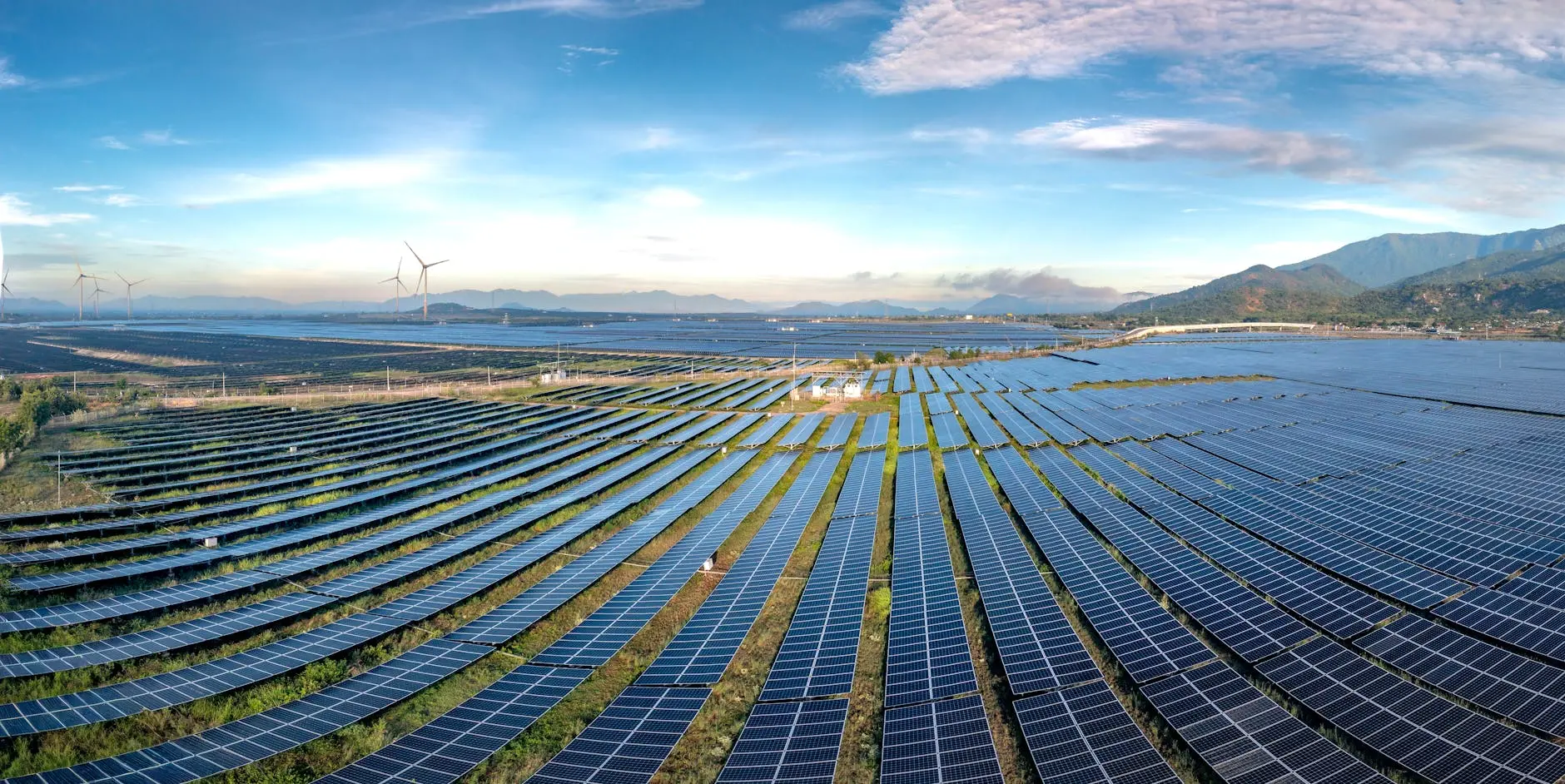
The global energy landscape is undergoing a transformative shift, driven by urgent climate imperatives and rapid technological advancements. Renewable energy innovations are at the forefront of this revolution, offering sustainable solutions to replace fossil fuels and reduce greenhouse gas emissions. According to the International Energy Agency (IEA), renewable energy capacity grew by 260 gigawatts (GW) in 2023, the highest annual increase on record, accounting for 90% of new power capacity additions worldwide IEA Renewable Energy Report 2023. This surge underscores the critical role of renewable energy innovations in achieving global climate goals and energy security.
The Dawn of Next-Generation Solar Technologies
Solar energy remains a cornerstone of renewable energy innovations, with photovoltaic (PV) technology evolving at an unprecedented pace. Traditional silicon-based solar panels have dominated the market for decades, but emerging technologies promise higher efficiencies and lower costs. Perovskite solar cells, for instance, have achieved laboratory efficiencies exceeding 25%, rivaling commercial silicon panels, while potentially being manufactured at a fraction of the cost. Researchers at the National Renewable Energy Laboratory (NREL) reported that perovskite-silicon tandem cells could surpass 30% efficiency by 2025, significantly boosting energy output per square meter NREL Perovskite Research.
Another groundbreaking innovation in solar technology is building-integrated photovoltaics (BIPV), which seamlessly incorporates solar cells into building materials like windows, facades, and roofs. A 2023 study published in *Nature Energy* highlighted that BIPV could generate up to 40% of a building's electricity needs, reducing reliance on grid power and lowering carbon footprints. The market for BIPV is projected to reach $39.3 billion by 2030, growing at a compound annual growth rate (CAGR) of 21.5% from 2023, according to industry analysts Nature Energy Study on BIPV.
Advancements in Wind Energy: From Onshore to Offshore
Wind energy innovations are equally transformative, with offshore wind farms leading the charge in capacity expansion. The Global Wind Energy Council (GWEC) reported that 109 GW of new wind capacity was installed globally in 2022, with offshore wind accounting for 21.5 GW. Floating offshore wind technology, in particular, is unlocking previously inaccessible deep-water sites, potentially tripling the global technical wind resource potential. Equinor's Hywind Tampen project in Norway, the world's first floating wind farm for oil and gas platforms, has a capacity of 88 MW and powers 80% of the platforms' electricity needs, demonstrating the viability of this technology.
Onshore wind is also benefiting from innovations in turbine design and materials. Next-generation turbines with rotor diameters exceeding 200 meters can capture more energy at lower wind speeds. Scientists reported that new airfoil designs and lightweight composite materials have increased the efficiency of onshore wind turbines by 15-20% over the past decade. The levelized cost of energy (LCOE) for onshore wind has fallen by 70% since 2010, making it one of the cheapest sources of new electricity in many regions, according to the IEA.
Energy Storage: The Missing Piece of the Renewable Puzzle
One of the biggest challenges in renewable energy integration has been intermittency, but energy storage innovations are rapidly addressing this issue. Lithium-ion battery costs have plummeted by 89% between 2010 and 2020, enabling large-scale deployments for grid stability. In 2023, global battery storage capacity reached 40 GW, a 40% increase from the previous year, with the United States and China leading installations. According to researchers at the University of California, Berkeley, solid-state batteries could achieve energy densities of 500 Wh/kg by 2025, doubling current lithium-ion performance and extending electric vehicle ranges while reducing costs.
Long-duration energy storage (LDES) is another critical innovation, addressing the need for multi-day storage to balance seasonal variations in renewable generation. Technologies like liquid air energy storage (LAES), compressed air energy storage (CAES), and flow batteries are gaining traction. The UK's liquid air energy storage facility in Manchester, with a capacity of 250 MW and 2.5 GWh of storage, can power 200,000 homes for five hours. Scientists reported that these technologies could reduce the cost of long-duration storage by 60% by 2030, making renewable energy dispatchable 24/7.
Green Hydrogen: The Fuel of the Future
Green hydrogen, produced using renewable electricity via electrolysis, is emerging as a game-changer for decarbonizing hard-to-abate sectors. The International Renewable Energy Agency (IRENA) projects that global hydrogen production from renewable sources could reach 100 million tons annually by 2030, up from just 1 million tons in 2022. In 2023, several large-scale green hydrogen projects were announced, including Saudi Arabia's NEOM project, which aims to produce 600,000 tons of green hydrogen per year by 2030, powered by 4 GW of solar and wind capacity.
Electrolyzer technology is advancing rapidly, with proton exchange membrane (PEM) and solid oxide electrolyzers achieving efficiencies exceeding 75%. Researchers at the Lawrence Berkeley National Laboratory reported that new catalyst materials could reduce the cost of electrolyzers by 50% by 2025, making green hydrogen competitive with fossil-based alternatives. The European Union's Hydrogen Strategy aims to install at least 40 GW of electrolyzer capacity by 2030, supporting its goal of climate neutrality by 2050.
Smart Grids and Digitalization
The transition to renewable energy is heavily dependent on smart grid technologies that can manage distributed energy resources (DERs) efficiently. Advanced grid infrastructure with real-time monitoring, AI-driven load balancing, and automated demand response systems is becoming increasingly common. In 2023, the U.S. Department of Energy announced $2 billion in funding for smart grid projects, including microgrids and virtual power plants (VPPs). A VPP in California, aggregating 1,000+ residential solar and battery systems, successfully provided 100 MW of grid support during a heatwave in August 2023.
Digitalization is also enhancing the performance of renewable assets. Predictive maintenance using machine learning algorithms has reduced turbine downtime by 30% in wind farms, while AI-optimized solar panel cleaning schedules have increased energy output by 5-8%. According to a study by MIT, digital twin technology—creating virtual replicas of physical assets—could improve the efficiency of renewable energy systems by 15-20% by 2030.
Policy and Investment Drivers
Government policies and private investments are accelerating the adoption of renewable energy innovations globally. The Inflation Reduction Act (IRA) in the United States, passed in 2022, allocated $369 billion for clean energy and climate programs, including tax credits for solar, wind, and storage installations. As a result, U.S. renewable energy investments surged to $140 billion in 2023, a 40% increase from 2022. Similarly, the European Green Deal has committed €1 trillion to climate action, with renewable energy targets of 42.5% by 2030 and 100% by 2050.
Corporate procurement of renewable energy is also driving innovation. In 2023, over 300 companies signed the RE100 pledge to source 100% of their electricity from renewables, including major players like Google, Apple, and Amazon. Google achieved its 100% renewable goal in 2020 and has since committed to operating on 24/7 carbon-free energy by 2030. These corporate commitments have spurred demand for innovative solutions like corporate power purchase agreements (PPAs) and renewable energy certificates (RECs).
Challenges and the Road Ahead
Despite rapid progress, significant challenges remain in scaling renewable energy innovations. Supply chain bottlenecks for critical minerals like lithium, cobalt, and rare earth elements could hinder the growth of solar, wind, and battery technologies. The IEA estimates that global demand for lithium could increase by 40 times by 2040, requiring new mining and recycling initiatives. Recycling technologies are advancing, with researchers at the University of Toronto developing a method to recover 95% of lithium from spent batteries, but scaling these solutions remains a priority.
Grid infrastructure is another hurdle, as aging power grids struggle to handle the variability of renewable energy. In the U.S., the Department of Energy estimates that $1.5 trillion in grid investments is needed by 2030 to modernize infrastructure and support renewable integration. Interregional transmission projects, like the SunZia project in the U.S. Southwest, which will transmit 3,000 MW of wind and solar power across 500 miles, are critical steps toward a more resilient grid.
Conclusion: A Sustainable Future Powered by Innovation
The pace of renewable energy innovations is unprecedented, with solar, wind, storage, and hydrogen technologies reaching new milestones in efficiency and cost reduction. According to the IEA, renewable energy could account for 90% of global electricity growth by 2030, with solar and wind leading the charge. The transition to a clean energy future is not just an environmental imperative but an economic opportunity, with the renewable energy sector projected to employ 38 million people globally by 2030.
As innovations continue to emerge, the barriers to renewable energy adoption will diminish, paving the way for a sustainable, decarbonized energy system. The next decade will be critical in scaling these technologies and ensuring they are deployed equitably and efficiently. With sustained investment, supportive policies, and technological breakthroughs, renewable energy innovations will play a pivotal role in combating climate change and building a resilient energy future for generations to come.
Comments 0
No comments yet. Be the first to share your thoughts!
Leave a comment
Share your thoughts. Your email will not be published.