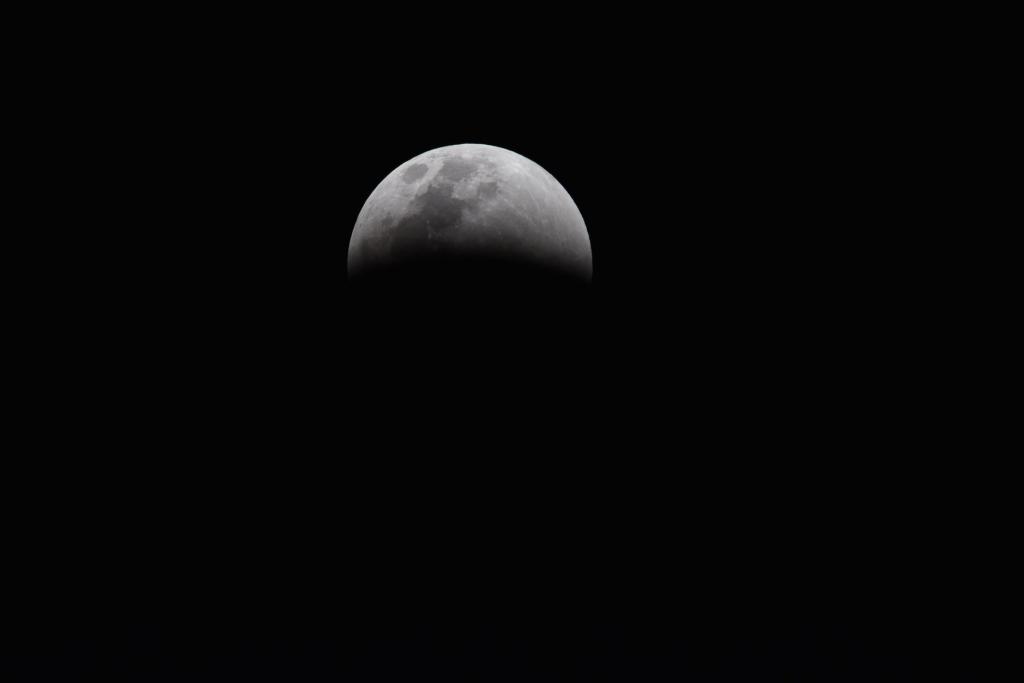
NASA says its Moon Base is running ahead of schedule, and the first piece of it could launch as soon as this December. Administrator Jared Isaacman made the claim on October 8 in Washington, where he joined Energy Secretary Chris Wright to sign a new agreement on nuclear power for the Moon and Mars. The pact sets up the power system that a permanent Moon Base would need, and Isaacman said the program will beat the policy goal of getting its first elements in place by 2030.
The agreement itself is a framework, not a blank check. Effective November 1, the memorandum covers fuel production, testing, launch integration, and operations, but NASA's announcement included no new funding figures. Industry reaction treated the paperwork as meaningful anyway: Antares chief executive Jordan Bramble said in an email that the fuel and launch-approval provisions are what separate a paper design from a program that actually delivers hardware, as reported by Payload. The plan on the table is Lunar Reactor-1, a fission system meant to supply steady electricity on the lunar surface late this decade and keep operating for years without refueling.
The reason the reactor matters is the lunar night. Darkness on the Moon lasts roughly fourteen Earth days, which means solar panels alone cannot keep a base alive through every stretch of shadow. A fission reactor does not care about sunlight: it splits atoms to make heat, converts that heat into electricity, and keeps running in places the sun never reaches. That continuous power is the precondition for everything NASA wants to do next, from keeping habitats warm to making fuel, and the agency describes nuclear power as the key stepping stone to sending people onward to Mars.
A race with more than one runner
The United States is not the only country thinking this way. The New York Times has reported that Russia and China are working on a joint lunar nuclear project with a target date in the mid-2030s, which would put it several years behind the American timeline. India and Japan are also racing to explore the surface and scout sites for long-term settlements, turning the Moon into a genuine multi-player construction zone. NASA has even invited India to help co-create the Moon base, while Japan's program keeps scouting the surface for settlement sites. NASA's answer is speed: near-monthly uncrewed robotic missions starting in early 2027, with rovers and hardware waiting on the surface before astronauts arrive.
That speed is the part Isaacman wants the public to watch. NASA is building a website with the National Design Studio so anyone can follow the base going up in real time. "We're leaving no doubts this time," Isaacman said at the signing. "It's all in HD." When the crew eventually lands, the plan is for the equipment to already be there and working, which would make this attempt at a permanent presence look very different from the flags-and-footprints visits of the last century.
What could still go wrong
Not everyone is cheering. Critics argue the plan deserves hard scrutiny over safety, cost, environmental consequences, and the militarization of space, plus a thornier question: who owns the benefits if lunar resources start flowing. Those concerns are not abstract. A reactor that misbehaves on the Moon cannot be reached by a repair crew, and the legal framework for mining and building on another world is still mostly unwritten. NASA's own framing acknowledges the stakes without dwelling on them, describing the effort as the path to American leadership in space exploration and commerce.
For now, the timeline is the story. A December launch of the base's first element would move the Moon from a destination NASA visits to a place it is actively building, years before the rival Russian-Chinese project is expected to switch on. The Moon Base still has to survive budgets, elections, and physics, but the paperwork signed this month turned a long-discussed ambition into a dated plan. For the longer view on what humanity is learning up there, see how the Webb telescope just mapped an exoplanet's true shape, the AI effort to bring back the dodo, and the lab-grown organs that won Disrupt 2026.
Comments 0
No comments yet. Be the first to share your thoughts!
Leave a comment
Share your thoughts. Your email will not be published.