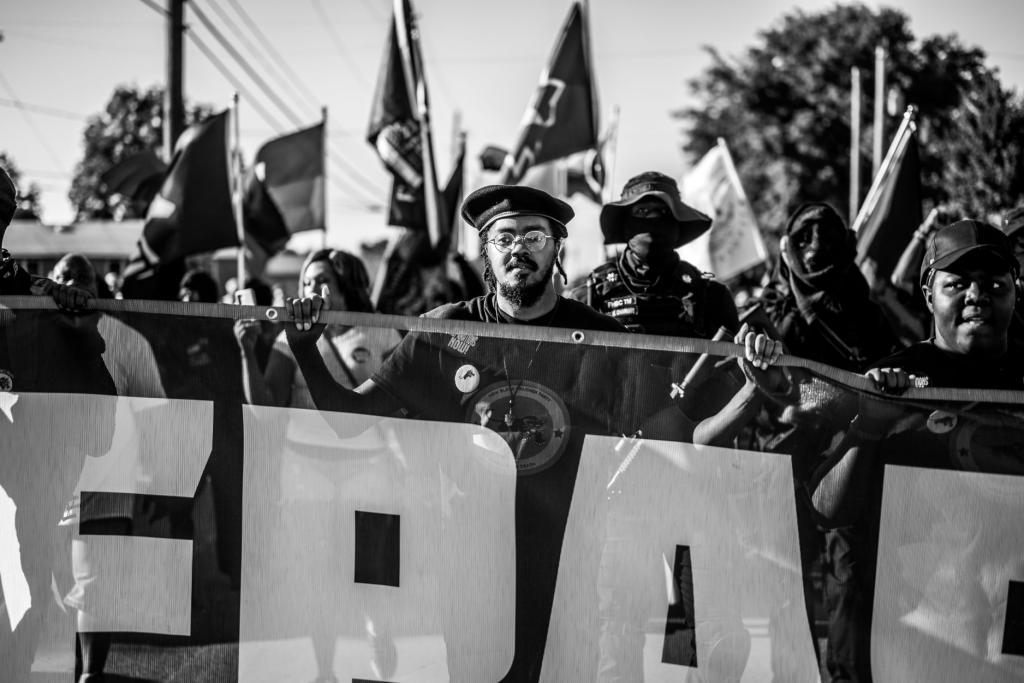
Thousands of Chilean students flooded the center of Santiago on October 1 for the Confech student strike 2026, turning the Alameda into a river of banners against President José Antonio Kast's proposed 2027 budget. The strike was the centerpiece of a national student walkout called by the Confederation of Students of Chile, the country's main university-student body, which is demanding that Kast's government leave education funding untouched in the 2027 budget bill.
The Santiago march set off at 10 a.m. from Plaza Baquedano and advanced toward the government district, where marchers planned to pressure lawmakers days before Congress began debating the budget. Marches were also reported in Coquimbo, Antofagasta, Iquique and Arica. University federations marched alongside the Central Unitaria de Trabajadores, the national teachers' union, secondary-school organizations and the feminist coordinator 8M. The turnout showed the Confech student strike 2026 drawing support well beyond the university campuses where the call originated. Their shared slogan, printed on banners across the crowd: "Para transformar Chile, ni un peso menos para la educación."
Laura Mlynarz, president of the University of Chile's student federation and national spokesperson for Confech, said students had run out of patience with the education ministry. "Frente a los requerimientos de recortes, no aceptaremos ni un peso menos para la educación," the confederation said in a statement posted on its official channels, according to El País. The statement set the tone for the Confech student strike 2026. Mlynarz directed her sharpest words at Education Minister María Paz Arzola, demanding she defend her ministry's budget instead of handing it over to the finance minister.
Why students say the math doesn't add up
Kast delivered the 2027 budget bill to Congress on the night of September 30. The headline figure for education looks like growth: the consolidated ministry budget rises from roughly seventeen trillion pesos to a little over eighteen trillion, a nominal increase of 3.9 percent. But once the projected 3.1 percent inflation is factored in, the real increase lands at about 0.78 percent, according to a line-by-line review published by Contraplano. Education remains the second-largest item in the national budget, behind health, yet students say the fine print is where the damage sits. El País reported the call for the strike nearly a week before the budget was delivered, which helps explain how quickly the Confech student strike 2026 mobilized marches in several regions at once.
The cuts concentrate in specific programs. The Liceos Bicentenario excellence-school network loses close to three billion pesos in real terms, a drop of 46.71 percent, and the government proposes no new schools, only consolidating the 420 existing ones. The research promotion fund falls 25.2 percent, the Fondo Basal drops 12.41 percent and free-tuition gratuidad funding slips 2.35 percent. For students who rely on aid to study, the most visible loss may be the end of the "Yo elijo mi PC" laptop program: after 17 years of giving computers to seventh-graders, the Becas de Acceso a TIC has no identifiable allocation for 2027, Contraplano reported. Roughly ninety-six thousand students received the benefit in 2026.
The student organizations estimate the combined adjustments approach two hundred billion pesos in education, citing an April memo from the budget office that recommended revisiting ministry programs. The Confech student strike 2026 call cited that memo as its central piece of evidence. The federations also warn that gratuidad itself is being quietly narrowed: benefits held to the 60 percent most vulnerable households, a four-year freeze on new institutions entering the system, and talk of age limits for applicants. The accusation that matters most to the movement is about trust. During the campaign, Kast promised not to touch gratuidad or other student benefits, a pledge the federations now quote back at him.
Water cannons on an authorized march
The October 1 march was authorized and began peacefully, according to Chilean outlets, but the day ended with clashes. Radio Bío Bío reported incidents along the Alameda as police deployed water cannons and tear gas near the Catholic University area. Contraplano reported 31 people detained during the march. Communist Party deputy Daniela Serrano filed an official request to the Ministry of Security demanding it explain the use of water cannons and gas against the demonstrators. The crackdown gave the Confech student strike 2026 a second storyline beyond the budget itself: police accountability.
Teachers' union leaders and secondary students defended the mobilization. Andrea Abarca, president of the Usach student federation and another Confech spokesperson, told reporters the movement wanted dialogue but faced a closed door: "Nosotros no somos criminales. Somos estudiantes." Education Minister Arzola, meanwhile, told ADN Radio that "recursos no nos van a faltar" and said her focus for 2027 would be early childhood and the first years of primary school.
The budget debate now moves to Congress, where lawmakers must settle the 2027 bill by November 30. Kast's austerity drive has been the backdrop all year: since taking office in March, his government has pushed roughly six billion dollars in spending cuts over eighteen months, about three percent across all ministries, according to the Associated Press. For the students who marched in the Confech student strike 2026, the question is whether Congress will restore what the budget office trimmed, or whether Chile's public education absorbs another year of real-terms losses.
Comments 0
No comments yet. Be the first to share your thoughts!
Leave a comment
Share your thoughts. Your email will not be published.