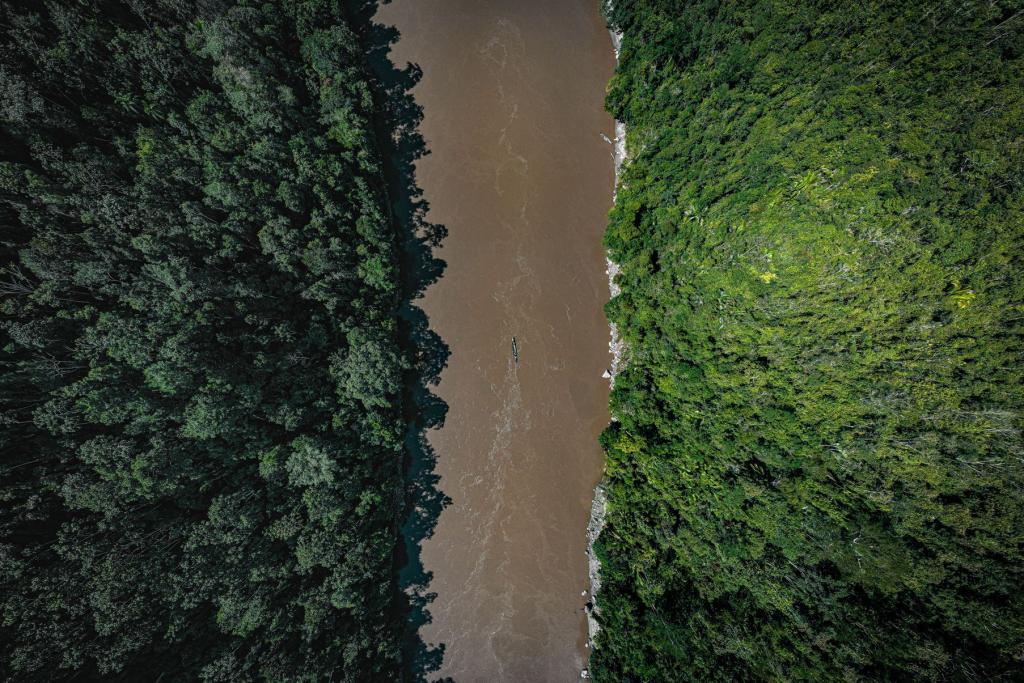
The Amazon deforestation record low is real, and it just dropped days before Brazil votes. Brazil's space research agency Inpe said on Friday that three thousand three hundred thirty-five square kilometres of rainforest were cleared in the twelve months through July, the lowest total since records began in nineteen eighty-eight.
What the numbers actually say
According to Al Jazeera, the cleared area is about forty-two percent smaller than the year before. The previous low was four thousand five hundred seventy-one square kilometres in the 2011-12 season, so this Amazon deforestation record low beats a mark that stood for fourteen years.
To picture how far things have come, annual losses peaked at nearly thirty thousand square kilometres in the mid-nineties, according to Inpe's satellite programme. That means today's figure is roughly a tenth of the worst years. Inpe measures from August to July because cloud cover is lower in mid-year.
The savanna next door is also doing better. Deforestation in the Cerrado fell about twenty-four percent to five thousand five hundred sixteen square kilometres, reported Mongabay. The Cerrado has been the fastest-cleared biome in Brazil for decades, mostly for ranchland and industrial farming.
Put simply, Brazil has cut Amazon clearing by about seventy-one percent over four years, according to figures reported by Forbes Brasil. The Cerrado fell about forty-eight percent over the same stretch. Both numbers come from the Prodes monitoring system, which covers the period from the first of August to the thirty-first of July each year.
Brazil also regained a streak of falling numbers that had been interrupted in twenty fourteen for the Amazon. Under Lula's current term, clearing rates in the Amazon have fallen every single year, according to Grist, which tracked the long arc from the early two-thousands through the Bolsonaro years.
Why the timing is so loaded
Brazil heads into a presidential run-off on the twenty-fifth of October. President Luiz Inacio Lula da Silva faces Flavio Bolsonaro, son of former president Jair Bolsonaro, and polls suggest a neck-and-neck race, according to the BBC.
Lula took office in twenty twenty-three promising to end deforestation by twenty thirty. He wrote on X that the goal is zero illegal deforestation by then. Forest clearing surged under Jair Bolsonaro, who promoted mining on Indigenous lands while enforcement budgets were cut.
Flavio Bolsonaro is expected to continue his father's approach, though he has pledged to fight organised crime in the Amazon, the BBC reports. Agricultural interests appear to have helped him in round one, and Lula lost vote share in almost every municipality compared with twenty twenty-two, according to Grist.
Why Gen Z should care
The Amazon is the world's largest rainforest, and sixty percent of it sits inside Brazil. Healthy rainforest soaks up huge amounts of planet-warming carbon dioxide, so keeping trees standing is one of the cheapest climate tools on the table.
Brazil's environment minister Joao Paulo Capobianco called the decline "absolutely stratospheric." Marcio Astrini of the group Observatorio do Clima called it a historic achievement and said it shows that with political will, it is possible to curb deforestation and emissions.
Researchers note that the numbers also line up with other trackers. A separate study from the World Resources Institute found Brazil cut non-fire forest losses by forty-one percent in twenty twenty-five, even though it uses a different method from the official Prodes data. Different tools, same direction.
For anyone scrolling past climate headlines, this one is rare good news. Rainforest loss is usually framed as a slow disaster, and here is a hard number showing enforcement, satellite monitoring and fines can bend the curve. Whether voters reward that is what the world will be watching on the twenty-fifth.
What could still go wrong
One caution: the figure is an estimate, and Inpe later publishes a consolidated number. Climate change itself also raises wildfire risk, which scientists warn can undercut gains from enforcement alone.
The bigger question is politics. A record fall shows policy works, but policy can be reversed. Check our climate coverage for more, because this vote will shape the rainforest for years.
For young voters and climate-watchers everywhere, the next week matters. If the trend holds, the Amazon deforestation record low could be the start of a streak. If it reverses, this may be remembered as the high point.
Comments 0
No comments yet. Be the first to share your thoughts!
Leave a comment
Share your thoughts. Your email will not be published.