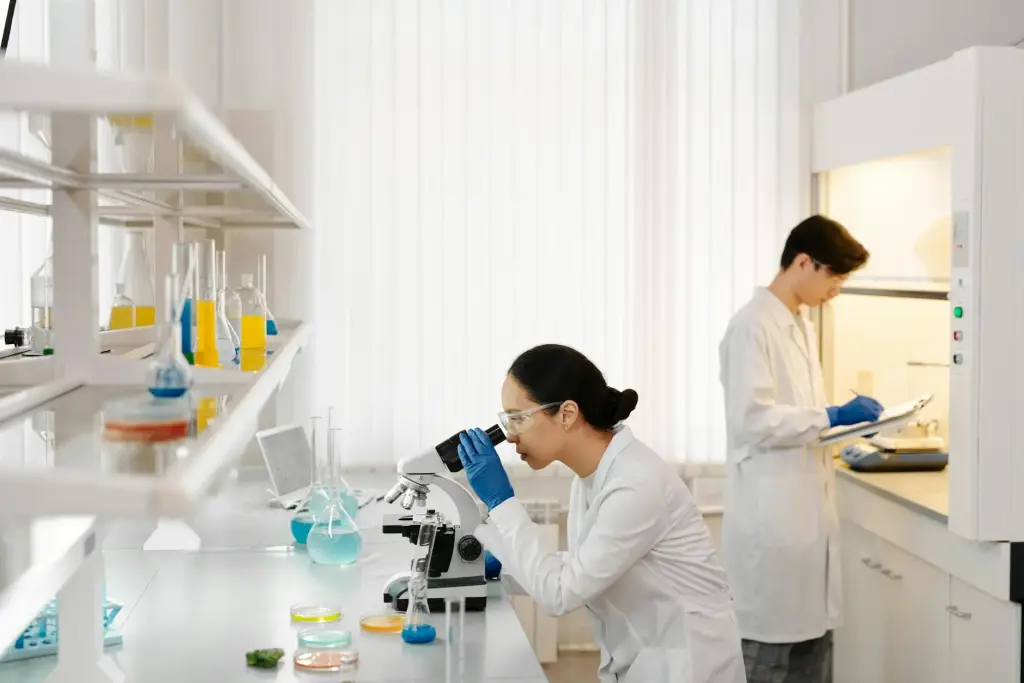
Synthetic biology breakthroughs are revolutionizing our understanding of life, allowing scientists to engineer organisms with novel functions that could solve some of humanity's most pressing challenges. From creating bacteria that produce life-saving medicines to designing plants that absorb more carbon dioxide, the field is rapidly advancing, blurring the lines between natural and artificial life. According to a 2023 report by the Nature journal, synthetic biology has grown into a $20 billion industry, with over 1,000 companies working on applications ranging from sustainable agriculture to disease therapeutics. "We're no longer just reading the genetic code; we're writing it," says Dr. Jennifer Doudna, a Nobel laureate in gene editing, highlighting the transformative potential of these breakthroughs.
Background: The Foundations of Synthetic Biology
Synthetic biology emerged in the early 2000s as an interdisciplinary field combining biology, engineering, and computer science. Its roots lie in the discovery of DNA's structure in 1953 and the advent of recombinant DNA technology in the 1970s, which allowed scientists to cut and paste genetic material. However, it was the completion of the Human Genome Project in 2003 that truly accelerated the field, providing a blueprint for life that could be studied and manipulated. Early synthetic biology breakthroughs included the creation of the first synthetic cell by Craig Venter's team in 2010, which they named *Mycoplasma mycoides* JCVI-syn1.0. This organism had a fully synthetic genome, marking a milestone in engineering life from scratch.
The field gained further momentum with the development of CRISPR-Cas9, a gene-editing tool discovered in 2012. CRISPR acts like "molecular scissors," enabling precise modifications to DNA with unprecedented ease. By 2020, CRISPR-based therapies had entered clinical trials, offering hope for treating genetic disorders like sickle cell anemia. "CRISPR has democratized genetic engineering," notes Dr. George Church, a synthetic biology pioneer at Harvard University. "Now, labs worldwide can design and build genetic systems that were once unimaginable."
Key Concepts in Synthetic Biology
To understand synthetic biology breakthroughs, it's essential to grasp some core concepts. First is the idea of "biobricks"—standardized DNA parts that can be assembled like LEGOs to create genetic circuits. These circuits can program cells to perform specific tasks, such as detecting pollutants or producing biofuels. Second is the concept of "genome synthesis," where entire genomes are written chemically and inserted into living cells. Third is "xenobiology," which explores alternative forms of life with non-natural DNA bases, expanding the genetic alphabet beyond A, T, C, and G.
Early successes in the field were modest but promising. In 2004, researchers at the University of California, Berkeley, engineered bacteria that could glow green when exposed to arsenic, demonstrating the potential for biosensors. By 2014, synthetic biologists had created bacteria that could produce artemisinin, a malaria drug, reducing its cost by 90%. These achievements laid the groundwork for more ambitious projects, such as engineering microbes to combat climate change or develop personalized cancer therapies.
Recent Developments: Cutting-Edge Synthetic Biology Breakthroughs
The past decade has witnessed an explosion of synthetic biology breakthroughs, driven by advances in DNA sequencing, automation, and machine learning. In 2021, scientists at the Science journal reported the creation of the first semi-synthetic organism with an expanded genetic code. This organism, *E. coli*, incorporated two additional DNA bases, allowing it to store and read more information than natural life forms. "This is a step toward creating life with entirely new capabilities," says Dr. Floyd Romesberg, the lead researcher, whose work could lead to novel proteins with functions not found in nature.
Another major breakthrough came in 2022, when researchers at MIT engineered bacteria that could produce biodegradable plastics from carbon dioxide. These microbes, designed using machine learning, convert CO2 into polyhydroxyalkanoates (PHAs), a type of plastic that decomposes in soil. According to a Nature study, this process could reduce plastic pollution by 40% if scaled up. "We're turning a greenhouse gas into a valuable resource," explains Dr. James Collins, a synthetic biologist at MIT. "This is what synthetic biology breakthroughs are all about—reimagining biology for a sustainable future."
Engineering Microbes for Medicine
One of the most exciting areas of synthetic biology is the engineering of therapeutic microbes. In 2023, a team at the National Institutes of Health (NIH)
Cancer therapy has also benefited from synthetic biology breakthroughs. In 2020, the FDA approved CAR-T cell therapy, where a patient's immune cells are engineered to target cancer. More recently, scientists have developed "smart" CAR-T cells that activate only in the presence of tumor-specific markers, reducing side effects. "We're creating precision weapons against cancer," notes Dr. Carl June, a pioneer in CAR-T therapy. "These breakthroughs are saving lives that were once considered untreatable." Climate change is another frontier where synthetic biology breakthroughs are making a difference. In 2022, researchers at the NASA
Agriculture is also being transformed by synthetic biology. In 2021, scientists created nitrogen-fixing corn that doesn't require synthetic fertilizers, a development that could reduce agricultural runoff and greenhouse gas emissions. "This is a game-changer for sustainable farming," says Dr. Pamela Ronald, a plant geneticist at UC Davis. "By 2030, we could see crops that are drought-resistant, disease-resistant, and more nutritious—all thanks to synthetic biology." The rapid pace of synthetic biology breakthroughs raises important questions about safety, ethics, and regulation. On one hand, these technologies offer solutions to global challenges like disease, hunger, and climate change. On the other hand, they pose risks, such as accidental release of engineered organisms or misuse for bioterrorism. The World Health Organization has called for global guidelines to govern synthetic biology, emphasizing the need for transparency and oversight. Economically, synthetic biology is creating new industries and jobs. A 2023 report by the Synthetic Biology Project estimates that the field could generate $3.5 trillion in economic value by 2030, with applications in medicine, energy, and materials. "We're at the beginning of a bio-industrial revolution," says Dr. Jay Keasling, a synthetic biology entrepreneur. "Companies like Moderna, which used mRNA technology for COVID-19 vaccines, are just the tip of the iceberg." Public perception of synthetic biology is mixed. While many are excited by its potential, others worry about "playing God" or creating unintended consequences. A 2022 survey by the Pew Research Center found that 58% of Americans support synthetic biology for medical applications but are divided on environmental uses. "We need to engage the public in conversations about these technologies," says Dr. Amyris CEO John Melo. "Transparency and education are key to building trust." Education is also critical. Programs like the International Genetically Engineered Machine (iGEM) competition are training the next generation of synthetic biologists, with over 6,000 students participating in 2023. "iGEM is where future breakthroughs will be born," says Dr. Randy Rettberg, the competition's founder. "These students are already designing solutions to real-world problems." Looking ahead, synthetic biology breakthroughs will likely accelerate as technologies become more accessible. By 2030, we could see personalized gene therapies tailored to an individual's DNA, self-healing materials grown from living cells, and even synthetic organisms that help clean up oil spills. "The possibilities are endless," says Dr. George Church. "But we must proceed responsibly, balancing innovation with caution." One of the most ambitious goals is creating a "living computer"—a system of engineered cells that can perform complex calculations. In 2021, researchers at Caltech developed bacterial logic gates that can process information, a step toward biocomputing. "Imagine a computer that can heal itself or adapt to its environment," says Dr. Lulu Qian, the project's lead. "That's the future of synthetic biology." As synthetic biology continues to evolve, it will be essential to establish ethical frameworks and regulatory policies. The WHO and other organizations are already working on guidelines to ensure these technologies are used for the greater good. "We have a responsibility to shape this field in ways that benefit humanity," says Dr. Jennifer Doudna. "With careful stewardship, synthetic biology breakthroughs can help us build a healthier, more sustainable world."Synthetic Biology and Climate Change
Impact: The Societal and Ethical Implications of Synthetic Biology Breakthroughs
Public Perception and Engagement
The Future of Synthetic Biology
Comments 0
No comments yet. Be the first to share your thoughts!
Leave a comment
Share your thoughts. Your email will not be published.