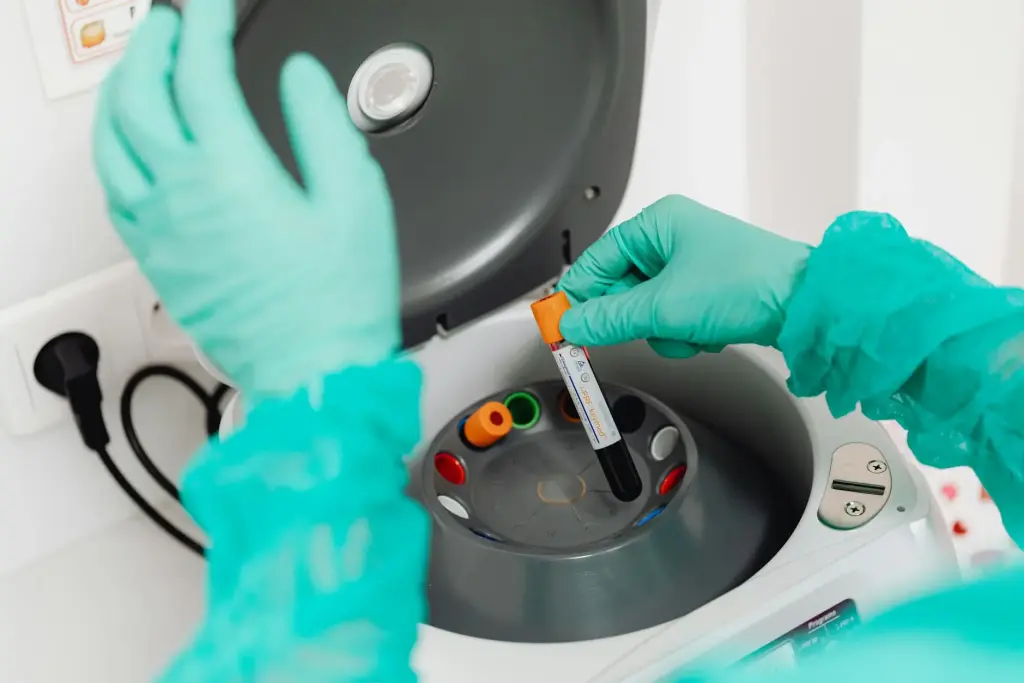
Imagine walking into your doctor's office, getting a simple blood draw, and learning whether you have early signs of Alzheimer's, Parkinson's, or other brain diseases—all before symptoms even appear. That sci-fi scenario just became reality thanks to groundbreaking AI blood test dementia detection technology.
Researchers at Lund University in Sweden have developed an artificial intelligence model that analyzes protein patterns in blood to detect five different neurodegenerative conditions: Alzheimer's disease, Parkinson's disease, ALS, frontotemporal dementia, and even signs of previous stroke. According to the study published in the prestigious journal Nature Medicine, this AI blood test dementia detection system actually outperforms traditional clinical diagnosis methods that rely on expensive brain scans and cognitive tests.
How This AI Blood Test Dementia Technology Works
The breakthrough system, called ProtAIDe-Dx, uses advanced machine learning to identify specific protein signatures that form unique patterns across different brain disorders. Unlike traditional diagnostic tests that look for one disease at a time, this AI examines the entire proteomic landscape—thousands of proteins simultaneously—to spot the biological fingerprints of multiple conditions.
The researchers used something called "joint learning," where the AI analyzes protein data from multiple diseases together rather than separately. This approach revealed patterns that previous single-disease tests missed entirely. The model was trained on an enormous dataset from over 17,000 patients and control participants, making it one of the largest neurodegenerative studies ever conducted.
"Our hope is to be able to accurately diagnose several diseases at once with a single blood test in the future," said Jacob Vogel, the lead researcher at Lund University. This AI blood test dementia approach represents a fundamental shift in how doctors might detect brain diseases in the coming years.
What makes this technology truly revolutionary is its ability to catch co-pathologies—when a patient has multiple brain diseases at once. Many individuals diagnosed with Alzheimer's actually showed protein patterns suggesting other underlying conditions that doctors previously missed. This means people with mixed dementia might finally get accurate diagnoses rather than being treated for just one condition.
Why Early Detection Changes Everything
Current dementia diagnosis is notoriously difficult and often takes years. Patients typically undergo multiple expensive brain scans, cognitive tests, and specialist visits. By the time doctors confirm a diagnosis, valuable treatment time has been lost and the disease has progressed significantly. AI blood test dementia screening could compress this timeline from years to weeks.
The Swedish research team discovered something remarkable: the protein profiles from their AI blood test dementia model actually predicted cognitive decline better than traditional clinical diagnoses. This suggests that biological markers in blood can reveal disease processes long before symptoms become obvious—opening the door to much earlier intervention and potentially more effective treatment.
"I don't think current protein measurements from blood samples will be sufficient on their own to diagnose multiple diseases, we need to refine the method and combine it with other clinical diagnostic tools," Vogel told Neuroscience News. The next step involves using advanced mass spectrometry to identify even more specific disease markers and improve accuracy further.
For Gen Z, this breakthrough hits close to home in unexpected ways. While most young people aren't worried about dementia yet, many have watched grandparents or parents struggle with these devastating diseases. As AI transforms healthcare, early detection means more quality time with loved ones and significantly better treatment outcomes. The ability to catch Alzheimer's or Parkinson's years earlier could save families enormous emotional and financial burdens.
The technology also represents a huge leap forward for personalized medicine. The AI blood test dementia analysis revealed that people with the same clinical diagnosis often have completely different biological subtypes—suggesting that one-size-fits-all treatments don't work. Future therapies could be tailored to individual protein profiles instead, making treatment more effective with fewer side effects.
While this AI blood test dementia detection isn't available at your local clinic yet, the research signals a major shift in how we'll approach brain health in the coming decades. With further refinement and regulatory approval, this AI-powered diagnostic tool could become as routine as checking your cholesterol or blood pressure.
The implications extend beyond diagnosis. The proteins identified by the AI system point to new areas for drug development and treatment research. Understanding these biological patterns could lead to therapies that target the root causes of neurodegenerative diseases rather than just managing symptoms.
As wearable health technology advances, combining continuous monitoring with occasional AI blood test dementia screening could create a comprehensive early warning system for brain health. The future of medicine is increasingly about catching problems before they become crises—and this technology puts us firmly on that path.
Comments 0
No comments yet. Be the first to share your thoughts!
Leave a comment
Share your thoughts. Your email will not be published.