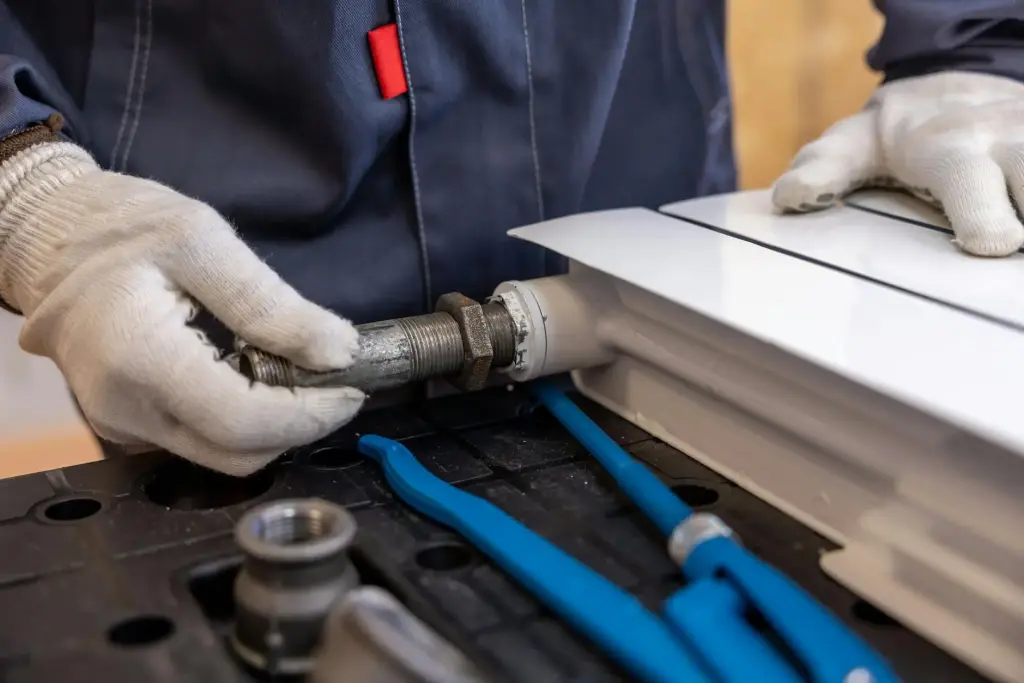
The white-collar job market is getting absolutely demolished by AI, and Gen Z is caught in the crossfire. With entry-level positions disappearing faster than free pizza at a college event, young workers are facing a brutal truth: the career playbook their parents followed is basically useless now. But there's a surprising alternative that's gaining serious traction — skilled trades.
According to a Forbes report published March 30, 2026, the AI revolution is creating what experts call a "hidden tripwire for workforce development." The numbers are genuinely concerning: 68% of Gen Z workers say AI has made the job search more competitive, and 51% fear AI's impact on their job security — the highest of any generation. Even more alarming, only 36% of Gen Z believe they have skills that are uniquely human and safe from AI replacement.
The fundamental problem is creating a workforce development crisis that has no easy solution. Companies are eliminating entry-level positions that used to serve as career launchpads, yet they still expect experienced candidates for higher-level roles. It's a classic catch-22 that leaves young workers asking a terrifying question: If AI takes all the entry-level jobs, where exactly are we supposed to gain the experience needed for senior positions? This gap threatens to create a self-inflicted skills shortage that will plague industries for years to come.
Why Skilled Trades Are Becoming the Smart Choice
Here's where things get interesting. While AI excels at processing data and generating content, it's still terrible at physical work that requires hands-on problem solving, adaptability, and real-world craftsmanship. That's exactly why skilled trades — think electricians, plumbers, HVAC technicians, carpenters, and welders — are becoming increasingly attractive to Gen Z workers who want career stability without the AI anxiety.
The benefits are substantial and immediate. Trade careers typically require less student loan debt than traditional four-year degrees, offer strong starting salaries that often beat entry-level office jobs, and provide clear advancement paths to entrepreneurship. Unlike white-collar roles that can be outsourced or automated, skilled trades require a physical presence and human judgment that AI simply cannot replicate. For Gen Z workers exploring career alternatives to the AI-dominated job market, this represents a viable path forward.
According to workforce data and industry analysis, demand for skilled trades workers continues to outpace supply across North America. As older workers retire, there's a massive gap opening up that Gen Z workers are perfectly positioned to fill — with proper training and certification programs that take months rather than years to complete. The construction, manufacturing, and infrastructure sectors are all desperate for young talent.
Making the Transition: What Gen Z Needs to Know
For young people considering the skilled trades route, the barriers to entry are surprisingly low. Apprenticeship programs offer paid training that lets you earn while you learn, union memberships provide strong benefits and job security, and the path to starting your own business is more straightforward than in many white-collar fields. Some programs even offer college credits that can be applied toward degrees later if you choose to pursue additional education.
The mindset shift is crucial. For years, Gen Z was pushed toward college degrees as the only path to success. Parents, teachers, and counselors often presented white-collar work as superior to manual labor. But the reality is that a trade certification can lead to six-figure incomes, business ownership, and genuine financial independence — all while avoiding the soul-crushing competition of AI-saturated job markets where even landing an interview feels like winning the lottery.
Of course, skilled trades aren't for everyone. The work is physical, requires ongoing learning and certification updates, and comes with its own set of challenges including weather exposure and demanding schedules. But for Gen Z workers feeling squeezed out of traditional career paths, it represents a legitimate alternative that plays to human strengths rather than competing against machine efficiency. The entrepreneurial opportunities in skilled trades are particularly attractive for young people who dream of business ownership.
As AI continues reshaping the workforce, the workers who thrive will be those who position themselves where algorithms can't reach. For a generation facing unprecedented career uncertainty, skilled trades might just be the smartest move nobody saw coming. The question isn't whether you can afford to consider this path — it's whether you can afford not to.
Comments 0
No comments yet. Be the first to share your thoughts!
Leave a comment
Share your thoughts. Your email will not be published.