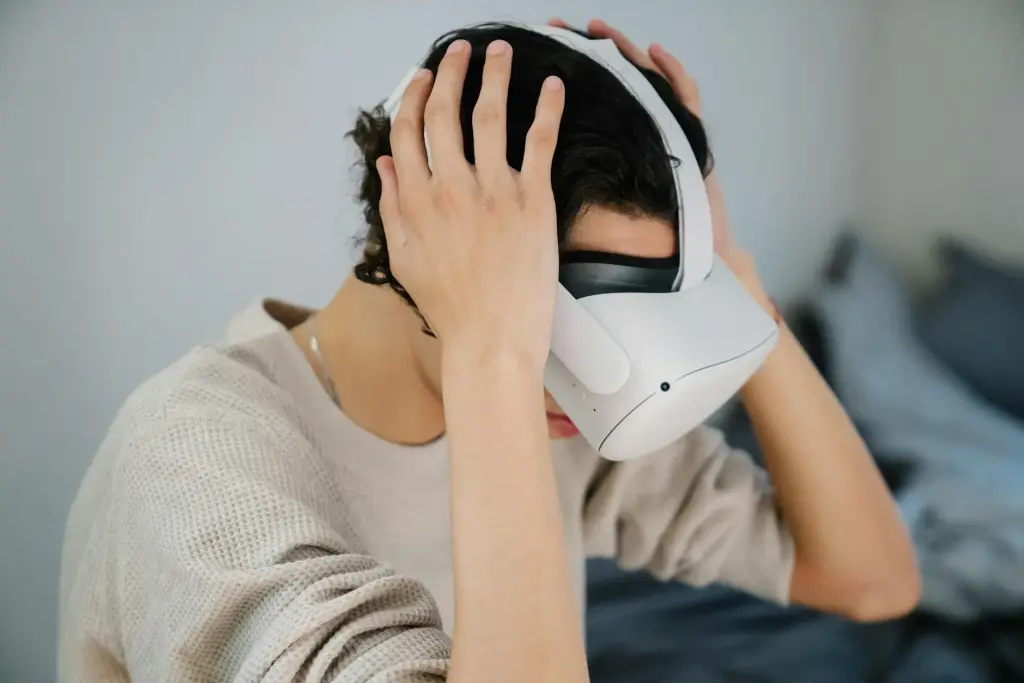
What if you could turn back time for your brain? A new study claims you can actually reverse your brain age by over five years in less than two months—and it doesn't require surgery, medication, or invasive procedures. According to researchers at the Buck Institute for Research on Aging, participants using a new EEG-based neurofeedback system decreased their brain age clock readings by an average of 5.18 years in just 56 days, while the control group showed essentially zero change.
The breakthrough comes from Sens.ai, a cognitive longevity platform that just unveiled BrainYears™—the first functional EEG-based brain age clock validated at MRI-grade accuracy. This isn't another wellness gimmick promising vague benefits. The system combines neurofeedback, photobiomodulation, and AI-driven brain health assessment to deliver measurable results that scientists can actually verify through objective testing.
How the Brain Age Clock Actually Works
The brain age clock technology reads your brain's electrical activity through a portable EEG headset, then uses artificial intelligence to calculate your functional brain age compared to your chronological age. If your brain is aging faster than you are, the system creates personalized neurofeedback training protocols to optimize your neural patterns and improve cognitive function. The Sens.ai headset is specifically designed for repeated clinical use and longitudinal tracking, making brain age monitoring accessible at scale for the first time in consumer health.
According to a report published by Poughkeepsie Journal, the study results from April 2026 are turning heads across the neuroscience community and wellness industry. Beyond the dramatic brain age reversal, participants showed a 10.2% increase in processing speed, a 7% boost in reaction time, and a remarkable 40.6% reduction in errors on objective event-related potential measurements. These improvements represent real cognitive enhancement, not just subjective feelings of better focus.
For Gen Z dealing with digital burnout, constant screen exposure, and information overload, the implications of having a validated brain age clock are massive. Your brain health determines everything from daily focus and productivity to long-term cognitive function and quality of life as you age. The idea that you can actively train your brain to function younger opens up entirely new possibilities for preventing cognitive decline before it even starts.
Why Neurofeedback Is Going Mainstream
Brain training used to be limited to expensive clinical visits or unproven smartphone apps with no scientific backing. The Sens.ai platform represents a significant shift toward legitimate, research-backed neurotechnology that everyday consumers can actually access and use at home. Unlike MRI scans that cost thousands of dollars and require hospital visits, this EEG-based brain age clock system is portable, completely non-invasive, and cost-effective for regular long-term use.
The partnership with the Buck Institute for Research on Aging adds serious scientific credibility to these claims. As a leading independent research organization dedicated to extending human healthspan, their involvement signals that neurofeedback has officially moved from alternative wellness into legitimate longevity science. The p-value of 0.03 in the peer-reviewed study means these results are statistically significant—not a fluke or placebo effect that can be dismissed.
For young adults looking to optimize their cognitive performance in an increasingly competitive world, the timing couldn't be better. We're living through an attention economy that constantly drains mental resources and fragments our focus. Having a validated brain age tracking system that shows exactly how lifestyle choices and training impact neural function gives you data-driven feedback on what actually works for your specific brain.
If you're interested in other ways to optimize your health and wellness routine, check out our coverage of wearable health trackers and sleep optimization techniques that can complement neurofeedback training for maximum results.
The technology also directly addresses processing speed and reaction time—cognitive metrics that impact everything from work performance and academic success to driving safety and athletic ability. A 10% improvement in processing speed could translate to significant real-world advantages in professional settings where quick thinking and rapid decision-making provide competitive edges.
As neurofeedback technology becomes more accessible and affordable, we might see brain age clock tracking become as routine as counting daily steps or monitoring sleep quality. The question isn't whether this technology works—the rigorous scientific study proves it does. The real question is how quickly Gen Z will embrace brain optimization as a standard part of their preventive health routine before problems develop.
Comments 0
No comments yet. Be the first to share your thoughts!
Leave a comment
Share your thoughts. Your email will not be published.