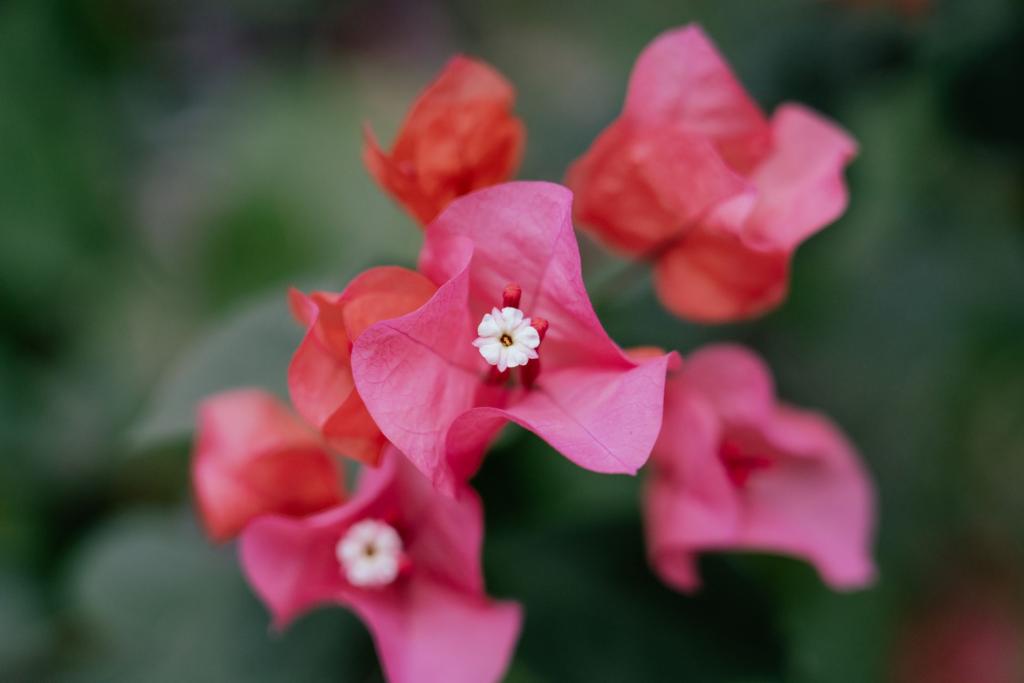
Sixteen new fungus species in Thailand have been found living unnoticed inside garden and wild flowers across the north of the country, according to a new study. The discovery, published in the journal IMA Fungus, more than quintuples the number of such fungi known to occur in Thailand, revealing a hidden world of life inside ordinary petals.
Hidden life inside ordinary petals
The 16 new fungus species in Thailand belong to the genus Aureobasidium, a group of dark, yeast-like organisms found almost everywhere on Earth, from human skin to glacial ice. Despite how widespread they are, little was known about their diversity inside Thailand's tropical flowers. Several members of the group are already prized in industry for producing useful enzymes, fighting plant disease, and even breaking down plastic, reported by Phys.org.
Researchers from Chiang Mai University and Kasetsart University collected 54 fungal strains from 31 species of flowers during a 2024 survey, among them bougainvillea, butter daisy, and periwinkle. Using a combination of DNA analysis across five gene regions, microscopy, and growth trials, the team distinguished sixteen entirely new species, alongside five already known species, four of which had never before been recorded in Thailand.
Before this work, Thailand had only a handful of recorded Aureobasidium species, which is why adding 16 new fungus species in Thailand in a single survey counts as such a dramatic jump. The team's results were published in IMA Fungus, the journal where new fungal species are formally described and named.
Thailand has been on a discovery streak this year: the country also produced the tiny demon-like devil flower found in a Thai national park, another species that had gone unnoticed until scientists looked closely.
Named after flowers and Thai places
The researchers gave the 16 new fungus species in Thailand names tied to where they were found or what they live in. According to the study, published in IMA Fungus and summarized here, several are named after their host flowers, such as A. bougainvilleae from bougainvillea and A. plumeria from plumeria, while others carry Thai place names: A. chiangmaiensis after the northern city, A. siamensis after the country's former name, and A. lannaensis after the historic Lanna region. Two more, A. floricola and A. florales, simply mean "flower-dwelling."
Telling the new fungus species in Thailand apart was far from straightforward. Many looked almost identical under the microscope, and the DNA markers scientists usually rely on proved unable to tell them apart. The team had to run DNA analysis across five separate gene regions, check the fungi under microscopes, and compare how they grew before they could be confident the species were truly distinct, according to Pensoft, the study's publisher.
Professor Nakarin Suwannarach of Chiang Mai University said the team focused on Aureobasidium because it was the most frequently isolated fungal genus from their flower samples. He said the variation in colony shape and other traits among the samples suggested there was much greater species diversity in the flowers than scientists had previously recognized.
Why a flower's hidden fungi matter
Finding 16 new fungus species in Thailand matters beyond the species count. The study's authors say floral habitats are important and previously underexplored ecological niches for Aureobasidium in tropical ecosystems, offering new insight into how these fungi live, spread, and evolve alongside the flowers they inhabit.
Because some Aureobasidium fungi already produce useful enzymes and fight plant diseases, each newly identified species could turn out to have practical uses scientists have not found yet. Others simply fill gaps in the map of life.
The new fungus species in Thailand were not hiding in some remote, unexplored jungle. They came from everyday garden flowers and wildflowers in the north of the country, the kind of blooms people walk past daily without a second look. That is what makes the find striking: 16 previously unknown organisms were sitting in plain sight, waiting for someone to sequence what was growing on the petals.
The result fits a wider pattern of new-species finds this year, from the reverse tulip discovered in Türkiye to the new baobab species hiding in Madagascar's groves. For Thailand's flowers, at least, the message is clear: the petals were never empty.
Comments 0
No comments yet. Be the first to share your thoughts!
Leave a comment
Share your thoughts. Your email will not be published.