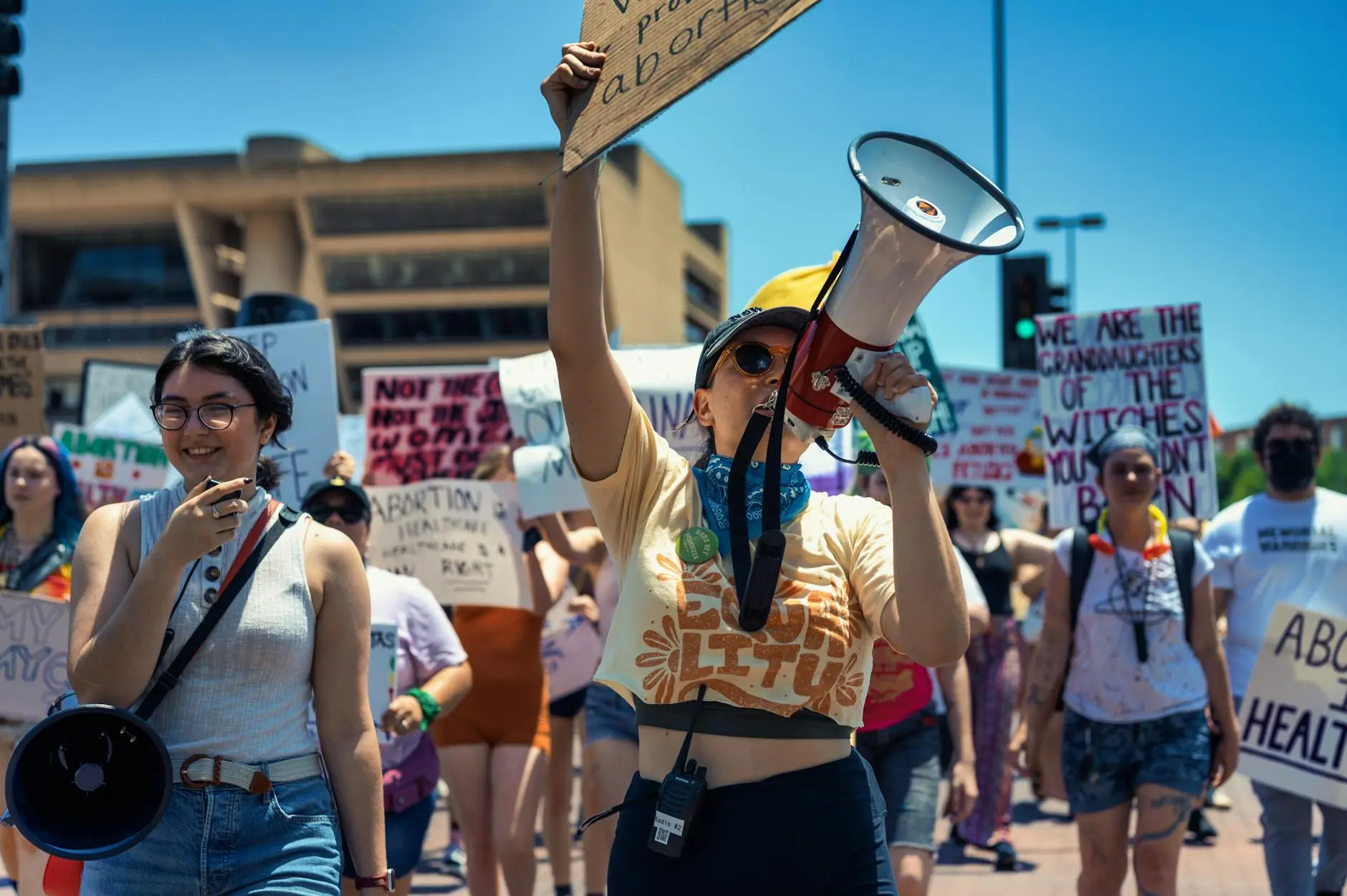
The women's rights 2026 report from UN Women reveals that no country has achieved full legal equality. According to the report released on March 5, 2026, women globally hold just 64 percent of the legal rights of men, exposing them to discrimination, violence, and exclusion at every stage of their lives.
UN Women issued a global alert that justice systems meant to uphold rights and the rule of law are failing women and girls everywhere. According to Inter Press Service, discriminatory laws remain on the books in most countries, limiting women's access to employment, property ownership, and personal autonomy.
The findings have sparked renewed calls for legal reform from women's rights organizations around the world. Activists are using the women's rights 2026 report to pressure governments to review and update their legal codes to remove discriminatory provisions.
Regional Challenges and Progress
The women's rights 2026 report reveals significant regional variations in progress toward equality. According to UN News, some regions have made notable advances in legal protections, while others have seen regression. In Pakistan's tribal belt, women pursuing sports careers face significant social and cultural barriers.
According to the UN gender equality chief, women's rights are regressing worldwide, with discriminatory laws reported in most countries. The justice gap affects women's ability to access education, healthcare, economic opportunities, and political participation on equal terms with men.
The Path Forward for Gender Equality
International Women's Day 2026 has become a focal point for renewed commitment to gender equality. According to UN Women, the theme emphasizes that women and girls have never been closer to equality - and never closer to losing it. The organization is calling for urgent action to close the justice gap.
The report recommends several key strategies for advancing women's rights, including strengthening legal frameworks, improving access to justice, addressing discriminatory social norms, and increasing women's participation in decision-making processes at all levels of society. Technology solutions and advanced computing may also help address these challenges.
According to UN Women's analysis, progress toward gender equality has been uneven and, in some areas, is at risk of reversal. The organization is calling on governments to prioritize legal reforms that remove discriminatory provisions and establish comprehensive protections for women's rights.
The women's rights 2026 report serves as a critical reminder that despite progress in some areas, significant work remains to achieve true gender equality worldwide. The international community must continue to advocate for and implement changes that protect and promote women's rights.
Looking ahead, achieving full gender equality will require sustained commitment from governments, civil society, and the private sector. The women's rights 2026 findings demonstrate that no nation can claim to have achieved complete equality, and all countries must continue working toward this important goal.
The report highlights the urgent need for action to address the persistent gaps in legal protections for women and girls around the world. Without significant progress, the goal of gender equality will remain elusive for generations to come.
Addressing these challenges requires coordinated efforts from all sectors of society to create lasting change that will benefit future generations of women and girls.
The women's rights 2026 findings underscore the importance of continued advocacy and action to achieve true equality in all aspects of life.
Looking forward, the international community must redouble its efforts to ensure that women's rights are protected and promoted in all countries.
The women's rights 2026 report is a call to action for governments, civil society, and individuals to work together toward gender equality.
The findings demonstrate that much work remains to be done to achieve true gender equality worldwide.
The report calls on all stakeholders to take action to advance women's rights in their respective countries and communities.
The women's rights 2026 report provides a roadmap for achieving gender equality that all nations should follow.
The international community must prioritize women's rights in all policy discussions and decision-making processes.
The women's rights 2026 findings should serve as a wake-up call for governments around the world to take action.
Comments 0
No comments yet. Be the first to share your thoughts!
Leave a comment
Share your thoughts. Your email will not be published.