A federal judge in Rhode Island ruled for Providence city councilor Miguel Sanchez in the Miguel Sanchez First Amendment Case against outgoing Governor Dan McKee and two of the governor's most senior officials, finding that Sanchez was fired from a state job for speech made on his own time. Chief Judge John McConnell of the United States District Court for the District of Rhode Island issued the decision on Wednesday, according to the Providence Journal. The ruling settles the question of liability in the case, while damages and any injunctive relief remain undecided. Neither Sanchez's lawyers nor the state's lawyers commented before the Journal published its report.
Sanchez started working for the McKee administration in May 2021 as a constituent services employee, a junior job that involved answering phone calls and emails from Rhode Islanders and helping them navigate public benefits. In 2022 he told his supervisors that he planned to seek public office, and the decision says there was no evidence the administration objected to him taking political positions in his personal life at that point. Other McKee staff members had also posted personal political opinions that conflicted with the governor's positions, McConnell wrote, and none of them faced pushback for doing so.
The firing and the lawsuit
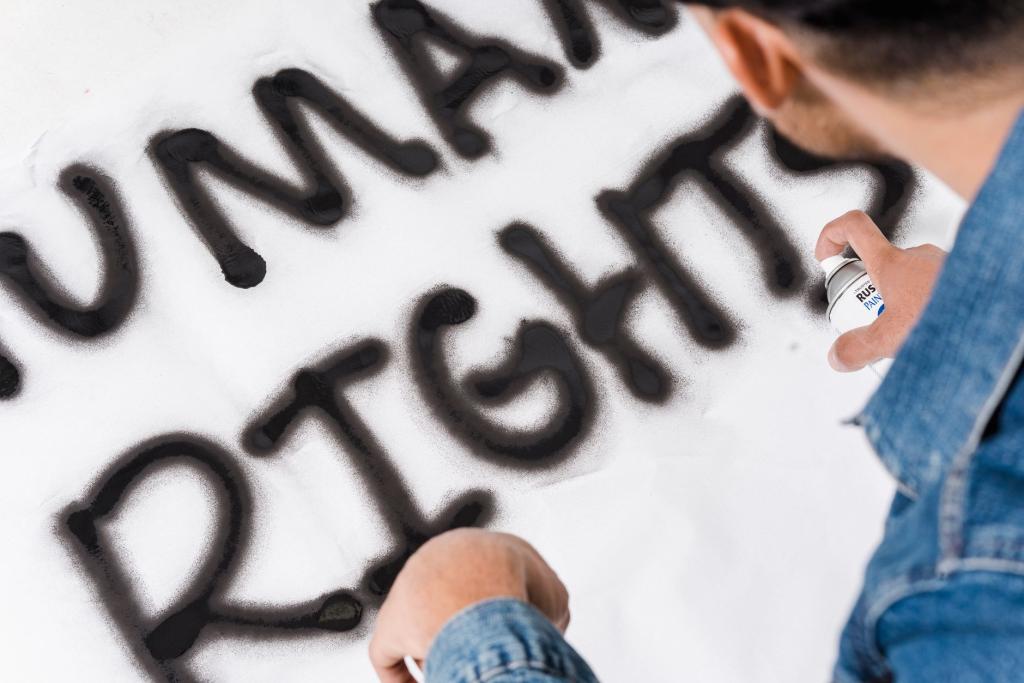
The dispute turned on posts Sanchez made after the Hamas attacks of Oct. 7, which killed roughly 1,200 people and set off a war that has led to more than seventy-five thousand Palestinian deaths. McKee condemned the attacks as terrorism. Sanchez posted a call for respect of all human rights, an immediate de-escalation and cease-fire, and an end to the occupation in Gaza and the West Bank. News outlets then asked McKee's office to confirm that Sanchez worked for the administration, and Sanchez said he was given a choice by chief of staff Joseph Almond and senior deputy Antonio Alfonso: resign or be fired.
The firing drew far more attention than the posts themselves, McConnell noted in the decision. At least seventeen reporters asked about it, at least eleven outlets reported it, and by midday in early November the Constituent Services Office had logged 63 emails and 38 calls about the firing. Sanchez later sued McKee, Almond and Alfonso, as reported by the Providence Journal in its earlier coverage of the firing, arguing that the firing violated his First Amendment rights. The case was heard in arguments on Oct. 8, when McConnell described it as the most significant First Amendment case to come before him and an important and complicated one to decide correctly.
Why the judge ruled for Sanchez
McConnell rejected the officials' bid for qualified immunity, the doctrine that can shield government officials from damages suits. He ruled that Almond and Alfonso knew or should have known that retaliating against Sanchez would deny him his rights, so that protection does not apply here. He also rejected the argument that Sanchez counted as a policymaker, a category of employee who can be fired for political differences. Sanchez was a low-level and often anonymous voice to the constituents who called his office, McConnell wrote, not a high-level policymaker.
In the Miguel Sanchez First Amendment Case, the judge then applied the Pickering balancing test, which weighs a public employee's right to speak against the government's interest in running its operations. Taken together, McConnell decided, Sanchez's interest and the public's interest in his off-duty speech on a matter of intense public concern stood at their height, and his First Amendment interests were paramount. The decision quoted the principle that public employees' speech on matters of public concern, on their own time, occupies the highest rung of the hierarchy of First Amendment values, and that the right to speak on such matters is not lost by choosing to work for the government.
What happens next is still open. The court has not decided what damages, if any, Sanchez will receive, or whether it will order any other relief. Sanchez, the youngest member of the Providence City Council, announced that the council's Democratic caucus had secured enough support to elect him as the body's president, and he won his Ward 6 primary this year by a double-digit margin. McKee, meanwhile, leaves the governor's office at the end of this year after losing the Democratic primary to Helena Foulkes. For now, the ruling stands as a warning to public employers that punishing a junior staffer for off-duty political speech can carry a legal cost.
Related coverage on this site has followed other court fights over speech, detention and press freedom, including a ruling curbing detention bond hearings and a court decision shutting a press freedom outlet in Egypt.
Comments 0
No comments yet. Be the first to share your thoughts!
Leave a comment
Share your thoughts. Your email will not be published.