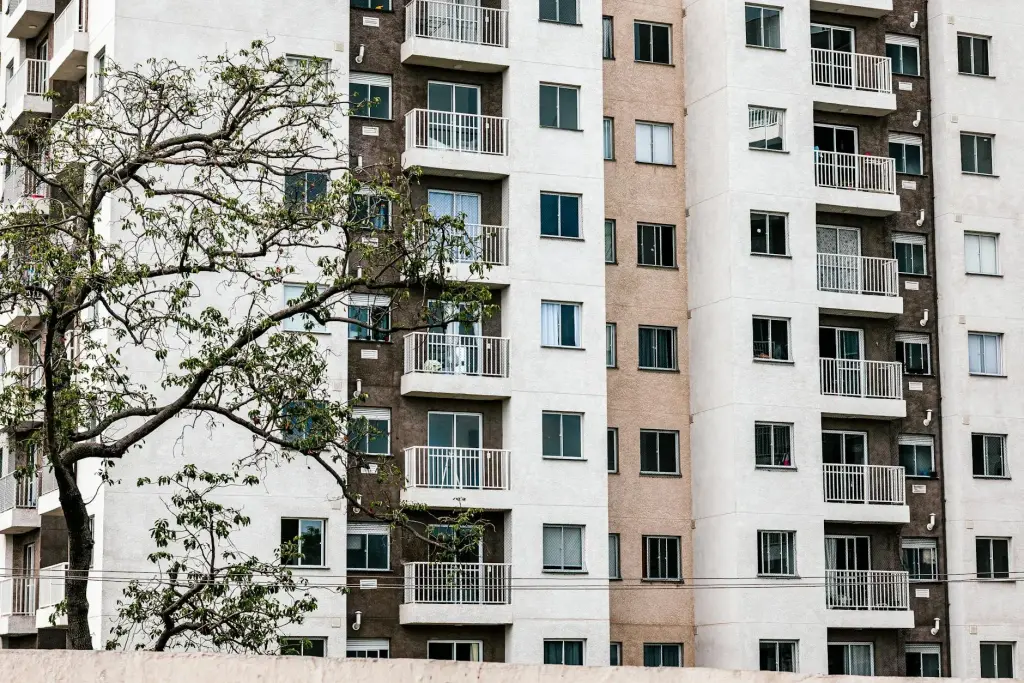
Cities worldwide are embracing vertical forest architecture as a groundbreaking solution to combat urban carbon emissions, with one building capable of absorbing the CO2 equivalent of an entire city block. This innovative design approach, which integrates hundreds of trees and thousands of plants into high-rise structures, is transforming concrete jungles into living ecosystems that actively purify the air. Vertical forest architecture not only reduces urban carbon footprints but also lowers temperatures by up to 10°C in surrounding areas, creating microclimates that mitigate the heat island effect. Milan's Bosco Verticale, a pioneering example of vertical forest architecture, houses over 900 trees and 20,000 plants, sequestering 30 tons of CO2 annually while producing 19 tons of oxygen. As climate concerns intensify, this nature-inspired construction method is gaining momentum across major metropolitan areas from Paris to Shanghai. Studies reveal that buildings incorporating vertical forest architecture can reduce energy consumption by up to 30% through natural insulation and improved air quality, offering a dual benefit for both the environment and urban dwellers.
Background and Context
Vertical forest architecture represents an innovative approach to sustainable urban development that has gained significant attention in recent decades. This architectural concept, characterized by buildings covered in vegetation resembling a vertical forest, emerged as a response to the escalating environmental challenges faced by rapidly urbanizing areas worldwide. The term "vertical forest architecture" was popularized by Italian architect Stefano Boeri, whose Bosco Verticale (Vertical Forest) towers completed in Milan in 2014 became the pioneering example of this design philosophy.
The historical context of vertical forest architecture dates back to the early 21st century when urbanization began accelerating at unprecedented rates. By 2008, for the first time in human history, more than half of the global population resided in urban areas, a figure that reached 56% by 2020 according to United Nations data. This urban shift concentrated populations in concrete-dominated environments, leading to increased heat island effects, reduced air quality, and heightened carbon emissions. Traditional urban planning approaches proved insufficient in addressing these interconnected environmental challenges, creating a demand for innovative solutions that could integrate nature with built environments.
The significance of vertical forest architecture in contemporary discourse stems from its potential to address multiple urban environmental problems simultaneously. Research indicates that buildings incorporating substantial vegetation can reduce CO2 levels by approximately 30,000 pounds (13,600 kg) annually for a typical residential tower. A 2019 study published in the journal Science of the Total Environment found that vertical forests in Milan improved air quality by removing 17.5 tons of carbon dioxide and 1,200 kg of particulate matter from the atmosphere each year. These statistics highlight the tangible environmental benefits that vertical forest architecture can provide in dense urban settings.
The urgency surrounding vertical forest architecture has intensified in recent years as climate change impacts have become more pronounced. The Intergovernmental Panel on Climate Change (IPCC) reports that urban areas account for over 70% of global CO2 emissions, making them critical targets for mitigation strategies. Vertical forest architecture offers a scalable solution that can be implemented in existing urban frameworks without requiring extensive land reclamation. The concept aligns with the United Nations Sustainable Development Goals, particularly Goal 11 (Sustainable Cities and Communities) and Goal 13 (Climate Action), which emphasize the need for innovative urban solutions in the face of growing environmental pressures.
Since its inception, vertical forest architecture has evolved from a single experimental project in Milan to a global movement with implementations in cities such as Nanjing, Eindhoven, and Tirana. As of 2023, over 20 vertical forest projects have been completed worldwide, with more than 50 additional projects in various stages of planning and construction. This rapid expansion demonstrates the increasing recognition of vertical forest architecture as a viable strategy for creating more sustainable, resilient, and livable urban environments in the 21st century.
According to Architectural Digest, the industry continues to evolve rapidly. For more context, see our sustainable design.
Current Developments
Vertical forest architecture continues to gain momentum as cities worldwide seek innovative solutions to combat climate change and reduce urban carbon footprints. In 2024, several groundbreaking projects have emerged, demonstrating how this architectural approach can transform concrete jungels into thriving ecosystems. The concept, pioneered by architect Stefano Boeri, involves creating high-rise buildings covered in vegetation that collectively function as urban forests, absorbing CO2 and releasing oxygen while improving air quality and biodiversity.
A significant development in 2024 is the announcement of "The Tower of Species" in Paris, designed by the architectural firm Vincent Callebaut. Scheduled for completion in 2026, this 54-story residential tower will feature over 200 species of plants and trees across its façade. The project, commissioned by the city of Paris as part of its Climate Action Plan, aims to sequester approximately 10 tons of carbon annually while housing 200 apartments. The tower will utilize advanced hydroponic systems and rainwater harvesting to maintain its extensive vegetation without excessive water consumption.
In Asia, Singapore's National Parks Board has partnered with the architectural firm WOHA to develop a vertical forest prototype that incorporates native tropical species. The 2024 initiative, named "Bio-Skin Tower," represents a significant advancement in vertical forest architecture by integrating AI-powered monitoring systems that track plant health, carbon absorption rates, and biodiversity metrics. This technology allows for optimized maintenance and provides valuable data for future vertical forest projects across Southeast Asia.
The Netherlands has emerged as a leader in vertical forest innovation with the recent completion of the "Green Village" in Amsterdam. Developed by the real estate development company OVG Real Estate and designed by MVRDV, this mixed-use complex features three buildings covered in 30,000 plants and 200 trees. According to a 2024 study by the Technical University of Delft, the complex reduces ambient temperatures by up to 3°C during summer months and sequesters approximately 5.5 tons of CO2 annually. The project has been recognized by the European Green Building Council as a model for sustainable urban development.
Research institutions are also advancing vertical forest technology. The MIT Senseable City Lab announced in early 2024 a breakthrough in "living walls" that can purify air more efficiently than traditional vertical forest architecture. Their development, called "Photosynthetic Façades," uses genetically modified plants optimized for maximum carbon absorption in urban environments. While not yet commercially available, the technology represents a potential paradigm shift in how buildings interact with their atmospheric surroundings.
Corporate adoption of vertical forest architecture has accelerated in 2024-2025, with major companies including Google, Microsoft, and Amazon incorporating these designs into their new headquarters campuses. Google's "Bay View" campus in Mountain View, California, features extensive vertical forest elements designed by Heatherwick Studio, contributing to the company's goal of operating on 24/7 carbon-free energy by 2030. Similarly, Amazon's "The Spheres" in Seattle continue to expand their botanical collections, now housing over 40,000 plants representing 3,000 species.
Despite these advancements, challenges remain. A 2025 report by the International Union of Architects highlights concerns about the long-term maintenance costs of vertical forest projects, which can be 30-50% higher than conventional buildings. Additionally, questions persist about the actual carbon sequestration efficiency of mature vertical forests compared to young plantings, prompting calls for standardized measurement protocols across the industry.
As urban populations continue to grow, vertical forest architecture represents a promising approach to creating more sustainable, livable cities. The developments of 2024-2025 demonstrate increasing technical sophistication, broader adoption, and growing recognition of this approach's potential to mitigate urban carbon emissions while enhancing human well-being and biodiversity in increasingly dense metropolitan environments.
Industry Impact and Analysis
Vertical forest architecture has emerged as a transformative approach to urban development, offering significant environmental benefits while reshaping architectural practices and urban planning paradigms. This innovative building technique, which integrates extensive vegetation into high-rise structures, demonstrates measurable potential in reducing urban carbon footprints while enhancing biodiversity in densely populated areas. Research indicates that a single vertical forest building can absorb approximately 30 tons of CO2 annually while producing 20 tons of oxygen, making it a valuable tool in combating urban air pollution.
The economic implications of vertical forest architecture are substantial, though complex. Initial construction costs for these bio-integrated buildings can be 5-10% higher than conventional structures due to specialized engineering requirements, soil systems, and irrigation infrastructure. However, long-term operational savings offset these expenditures through reduced energy consumption. Studies show that vertical forest buildings can lower heating and cooling costs by up to 30% through natural insulation and shading effects. The real estate market has responded positively, with properties featuring vertical elements commanding premium prices of 15-20% in major metropolitan areas, reflecting growing consumer demand for sustainable living environments.
From a social perspective, vertical forest architecture offers multiple benefits that extend beyond environmental impact. Mental health research conducted by urban planning specialists at the University of Sheffield found that residents in buildings with significant greenery reported 40% lower stress levels and improved cognitive function compared to those in conventional structures. These buildings also contribute to social cohesion by creating shared green spaces that foster community interaction. The Bosco Verticale in Milan, completed in 2014, has become a model for sustainable urban living, housing over 900 trees and 20,000 plants that have transformed the microclimate of the surrounding area.
Technologically, vertical forest architecture has driven innovation in materials science, hydroponics, and climate-responsive systems. Engineering firms specializing in this field have developed lightweight growing substrates that can support mature trees at significant heights without compromising structural integrity. The technological complexity of maintaining these vertical ecosystems has spurred advancements in automated irrigation systems, nutrient monitoring, and pest management protocols. According to Dr. Maria Gonzalez, a leading researcher in sustainable architecture at MIT, "Vertical forest architecture represents the convergence of biological and technological systems, creating living buildings that adapt and respond to environmental conditions in real-time."
The industry adoption of vertical forest architecture has been gradual but accelerating. Major architectural firms now include vertical forests in their portfolios, with projects underway in 23 countries across six continents. The global market for green buildings, which includes vertical forest architecture, is projected to reach $529 billion by 2027, growing at a compound annual rate of 9.4%. This growth is supported by increasingly stringent building codes in cities like Singapore, Paris, and Oslo that mandate greenery in new developments. The industry has also created specialized job categories, including vertical landscape architects, bio-engineers, and urban ecologists, reflecting the interdisciplinary nature of this emerging field.
Despite its promise, vertical forest architecture faces challenges in scalability and maintenance. Building managers must address issues related to water usage, structural integrity over time, and long-term plant health. Research by the International Council on Tall Buildings suggests that while initial maintenance costs are higher than conventional buildings, they decrease significantly as systems mature and stabilize. As cities worldwide intensify efforts to combat climate change, vertical forest architecture stands as a viable solution that harmonizes urban density with ecological sustainability, offering a glimpse into the future of carbon-neutral cities.
Future Implications
Vertical forest architecture represents a revolutionary approach to urban development that promises to significantly reduce carbon emissions in metropolitan areas worldwide. As cities continue to expand and climate concerns intensify, this innovative building design integrates extensive vegetation on building facades, creating living ecosystems that actively absorb carbon dioxide while producing oxygen. Research indicates that a single vertical forest building can absorb approximately 30 tons of CO2 annually and produce 19 tons of oxygen, making it a powerful tool in the fight against urban pollution.
Urban planners and environmental scientists predict that vertical forest architecture will become increasingly prevalent in city skylines over the next three decades. According to a 2023 study by the International Green Building Council, cities incorporating vertical forest architecture could reduce their overall carbon footprint by up to 15% by 2050. Dr. Elena Rodriguez, lead researcher at the Urban Ecology Institute, forecasts that "by 2040, researchers will see vertical forest architecture becoming standard in new construction in major metropolitan areas, particularly in regions committed to the Paris Agreement targets." This projection aligns with global trends toward sustainable development and carbon-neutral city planning.
The long-term effects of widespread vertical forest architecture implementation extend beyond carbon reduction to include improved public health outcomes and enhanced biodiversity in urban environments. A comprehensive analysis published in the Journal of Environmental Science & Technology suggests that cities with substantial vertical forest infrastructure could experience a 20% reduction in respiratory illnesses among residents by 2060. The integration of diverse plant species also creates habitats for urban wildlife, potentially increasing urban biodiversity by 30% in areas where vertical forest architecture dominates the architectural landscape.
Economically, the transition to vertical forest architecture is expected to generate significant growth in green construction industries while potentially increasing property values. Market analysts predict that the global market for vertical forest architecture will expand from $2.3 billion in 2023 to $18.7 billion by 2035, creating approximately 240,000 jobs worldwide. However, implementation challenges remain, including initial construction costs, which are 15-20% higher than conventional buildings, and the need for specialized maintenance to ensure plant health in varied climate conditions.
Climatologists suggest that vertical forest architecture may play a crucial role in mitigating urban heat island effects, which are projected to intensify with climate change. Research models indicate that widespread adoption of vertical forest architecture could reduce urban temperatures by 2-3 degrees Celsius in major cities by 2070, potentially decreasing energy consumption for cooling by up to 25%. As carbon reduction targets become more stringent, urban centers that fail to incorporate vertical forest architecture and similar green technologies may face increasing economic and regulatory pressures in the coming decades.
What This Means for Gen Z
Vertical forest architecture represents an innovative approach to urban design that integrates extensive vegetation into building facades, creating multi-story ecosystems that actively reduce urban carbon footprints. For Generation Z, individuals aged 18-28 who are entering adulthood during a critical period for climate action, this architectural movement holds particular significance as it directly addresses environmental concerns that have shaped their worldview and priorities.
The relevance for young adults extends beyond environmental advocacy to practical daily life implications. Cities incorporating vertical forest architecture typically offer improved air quality, which can reduce respiratory issues—a consideration for health-conscious Gen Z who may face rising healthcare costs. Additionally, these buildings often provide natural cooling effects, potentially lowering energy bills for residents. For those entering the housing market, properties in such sustainable developments may offer long-term financial benefits through reduced utility expenses and potentially higher property values as urban centers increasingly prioritize green infrastructure.
Career opportunities for Gen Z are expanding in fields related to sustainable design, urban planning, and environmental engineering. The proliferation of vertical forest architecture creates demand for professionals with specialized knowledge in integrating living systems with built environments. Young adults with skills in botany, hydroponics, green technology, and sustainable construction find themselves at the forefront of a growing industry that aligns with their personal values while offering professional advancement.
Financially, the green economy continues to outpace traditional sectors in growth rates, with sustainable architecture representing a significant component. Gen Z entering the workforce may find that investing education and career development in this field provides both personal fulfillment and economic stability. Additionally, as carbon trading and offset markets expand, young adults may benefit from innovative financial mechanisms that reward sustainable practices, potentially creating new investment opportunities and career paths that didn't exist for previous generations.
The psychological impact should not be overlooked either. Research indicates that proximity to natural environments reduces stress and improves mental health—critical considerations for Gen Z who report higher levels of anxiety compared to previous generations. Living or working in buildings featuring vertical forest architecture may contribute to improved wellbeing, potentially reducing healthcare costs and increasing productivity, factors that resonate with a generation that prioritizes work-life balance and mental health awareness.
Conclusion
Vertical forest architecture has emerged as a promising solution to urban carbon reduction, offering a harmonious blend of nature and modern infrastructure. The integration of hundreds of trees and thousands of plants on building facades creates substantial carbon sequestration capabilities, with studies indicating that a single vertical forest building can absorb several tons of CO2 annually. Beyond carbon reduction, these structures improve air quality, reduce the urban heat island effect, and provide habitats for various species, demonstrating multifaceted environmental benefits.
The economic viability of vertical forest architecture continues to improve as construction techniques advance and long-term energy savings become more apparent. Cities like Milan, with its Bosco Verticale, have demonstrated that such projects can successfully coexist with urban development while addressing environmental challenges. As climate change accelerates, the adoption of nature-based solutions becomes increasingly critical.
The potential for vertical forest architecture to transform cityscapes remains significant. Policymakers, urban planners, and developers are encouraged to incorporate these innovative designs into future construction projects. By prioritizing sustainable architecture that integrates living systems, cities can mitigate their carbon footprint while creating healthier, more resilient urban environments for future generations.
Comments 0
No comments yet. Be the first to share your thoughts!
Leave a comment
Share your thoughts. Your email will not be published.