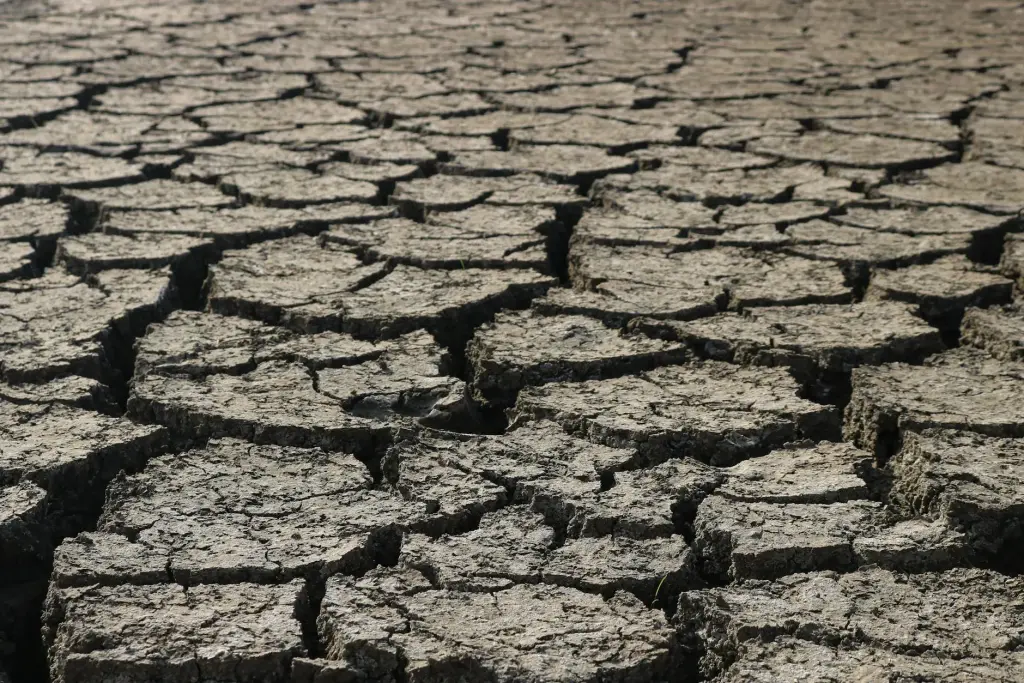
The climate emergency has reached unprecedented levels of urgency in 2025 as scientific evidence demonstrates that humanity has crossed critical planetary boundaries that threaten the stability of ecosystems worldwide. Global temperatures continue rising at alarming rates, with extreme weather events becoming more frequent and severe across every continent, impacting communities from coastal cities to agricultural heartlands with devastating consequences. According to the 2025 State of the Climate Report published in Oxford Academic, the planet is on the brink of irreversible changes that demand immediate and coordinated global action to mitigate the most catastrophic consequences for human civilization and natural systems that support all life.
Planetary Boundaries Breached Beyond Safe Operating Limits
Scientific assessments of the climate emergency have revealed that humanity has now breached seven of nine planetary boundaries that define a safe operating space for human existence on Earth as we know it. These boundaries represent critical thresholds in Earth system processes, including climate change, biodiversity loss, and biogeochemical flows, that maintain the conditions necessary for modern civilization to function and thrive sustainably. The crossing of these boundaries indicates that human activities have pushed Earth systems beyond the stable conditions that have supported human development for the past ten thousand years, creating an uncertain future for generations to come who will inherit these environmental challenges.
According to World Economic Forum analysis, extreme weather events have intensified throughout 2025, devastating communities through unprecedented heatwaves, floods, and storms that exceed historical patterns and strain emergency response capabilities. These events demonstrate the real-world consequences of the climate emergency, translating abstract scientific measurements into tangible human suffering and economic disruption that affect millions of people annually across both developed and developing nations. The interconnected nature of climate systems means that impacts in one region often cascade into others, creating complex challenges that require coordinated international responses and substantial investment in adaptation measures.
Positive Developments Amid Global Climate Crisis
Despite the severity of the climate emergency, 2025 has also witnessed encouraging developments that suggest pathways toward meaningful progress on environmental challenges worldwide. According to Forest Stewardship Council reporting, companies are more committed than ever to meeting science-based targets for emissions reductions, while carbon-zero technologies have become increasingly available and cost-effective for widespread deployment. These developments indicate that the private sector is beginning to align business practices with climate imperatives, recognizing both the risks of inaction and the opportunities presented by the transition to sustainable economic models that can drive growth while reducing environmental impact.
Conservation efforts have also achieved notable successes within the broader climate emergency context, with targeted action in clean energy, conservation, and indigenous rights producing tangible positive results for ecosystems and communities globally. According to BBC Future reporting, these quieter wins demonstrate that meaningful progress is possible even amid the overwhelming scale of climate challenges facing humanity. For Gen Z activists and concerned citizens, these successes provide evidence that collective action and policy advocacy can produce measurable improvements in environmental outcomes, even when broader trends remain concerning and urgent action is still needed.
Youth Activism and Future Climate Directions
Young people have continued to play a crucial role in driving awareness and action on the climate emergency, maintaining pressure on governments and corporations to accelerate their response to environmental challenges with appropriate urgency. The youth climate movement has evolved beyond protest into policy engagement, with young activists participating in international negotiations and local governance processes that shape climate responses for communities worldwide. This generational engagement reflects the recognition that today youth will live with the consequences of climate decisions for decades to come, giving them a vested interest in ensuring that current actions match the scale of the challenge facing humanity.
For Gen Z individuals, understanding the climate emergency is essential for making informed decisions about career paths, lifestyle choices, and civic engagement that will shape both personal futures and collective outcomes for society. The challenges posed by climate change require responses across every sector of society, from technology and policy to individual behavior and community organizing at local and global levels. Engaging with these issues provides opportunities for meaningful contribution to one of the defining challenges of our time, whether through professional work, activism, or personal choices that reduce environmental impact and promote sustainability for future generations.
Comments 0
No comments yet. Be the first to share your thoughts!
Leave a comment
Share your thoughts. Your email will not be published.