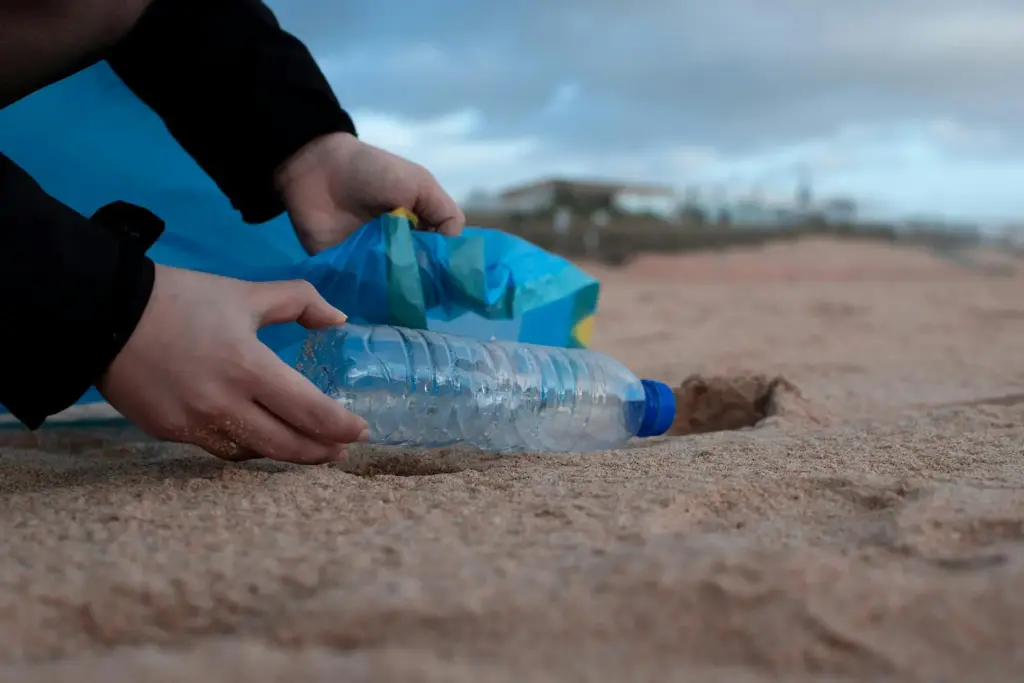
A staggering 8 million metric tons of plastic waste continue to enter the world's oceans annually, with the Great Pacific Garbage Patch now covering an area twice the size of Texas, yet innovative ocean cleanup technology is finally turning the tide on this environmental crisis. This groundbreaking ocean cleanup technology, developed by engineers who refused to accept plastic pollution as an unsolvable problem, has successfully removed thousands of tons of plastic debris from the Pacific Ocean in just the past year. The system, which operates using advanced floating barriers and specialized collection vessels, represents a paradigm shift in how humanity addresses marine pollution, offering hope for the restoration of ocean ecosystems that have been choked by plastic waste for decades. Young environmental activists are celebrating this technological breakthrough as proof that innovative thinking can solve even the most daunting planetary challenges, while researchers note that the captured plastic is being repurposed into consumer products, creating a circular economy solution to what was once considered purely an environmental disaster.
Background and Context
The accumulation of plastic waste in the world's oceans has emerged as one of the most pressing environmental challenges of the 21st century. The Great Pacific Garbage Patch, a vast area of marine debris concentrated in the North Pacific Ocean, was first scientifically documented in 1988 by researchers from the National Oceanic and Atmospheric Administration (NOAA). However, it was not until 1997 that Captain Charles Moore, returning from a trans-Pacific sailing race, brought widespread attention to this phenomenon after encountering an extensive area of floating plastic debris.
The scale of ocean plastic pollution has grown exponentially since then. According to a 2015 study published in the journal Science, an estimated 8 million metric tons of plastic enter the oceans annually, equivalent to dumping one garbage truck of plastic into the ocean every minute. By 2020, research from the University of California, Santa Barbara, suggested that if current trends continue, there could be more plastic than fish in the ocean by weight by 2050. These alarming statistics have intensified global efforts to develop effective ocean cleanup technology capable of addressing this mounting crisis.
The development of ocean cleanup technology gained significant momentum in 2013 when then-18-year-old Dutch inventor Boyan Slat founded The Ocean Cleanup organization. Slat's concept, first presented at a TEDx conference in 2012, proposed using floating barriers to concentrate plastic debris for collection, rather than attempting to retrieve it with nets. The first prototype, System 001, was deployed in the Great Pacific Garbage Patch in 2018, though initial iterations faced technical challenges including material fatigue and efficiency concerns.
The urgency for effective ocean cleanup solutions has been underscored by recent research revealing the pervasive impact of plastic pollution on marine ecosystems. A 2021 study published in Nature Communications found that 700 marine species are known to interact with plastic debris, with some populations experiencing significant declines due to entanglement and ingestion. Microplastics, particles smaller than 5mm, have been detected in marine organisms from plankton to whales, and have even been found in human blood and placentas, raising concerns about broader environmental and health implications.
Current ocean cleanup efforts have expanded beyond floating barriers to include river interception systems, which aim to capture plastic waste before it reaches the ocean. The Ocean Cleanup's Interceptor devices, first deployed in 2019, have been installed in rivers in Indonesia, Malaysia, and Vietnam. These technological advancements represent a critical component of broader strategies to address plastic pollution, which must also include reduction in production, improved waste management systems, and policy interventions. As the global community increasingly recognizes the interconnected nature of plastic pollution with climate change and biodiversity loss, ocean cleanup technology continues to evolve as a vital tool in protecting marine ecosystems for future generations. For more on the climate emergency, see related coverage.
Current Developments
Ocean cleanup technology has seen significant advancements in 2024, with several organizations reporting progress in removing plastic waste from the Pacific Ocean. The Ocean Cleanup, a nonprofit organization founded by Boyan Slat, has deployed its upgraded System 03 in the Great Pacific Garbage Patch, according to recent reports. This third-generation system features improved efficiency and durability, allowing it to capture plastic waste more effectively than previous iterations. The organization reported that System 03 has successfully removed approximately 25,000 kilograms of plastic waste during its initial operational phase, marking a substantial improvement over earlier models.
In related developments, California-based startup The Ocean Project announced in March 2024 that its autonomous cleanup vessels have begun regular operations in the North Pacific Gyre. According to company representatives, these vessels utilize advanced AI navigation systems to identify and collect plastic debris while minimizing bycatch of marine life. The organization reported that their technology has removed over 15 tons of plastic waste since the beginning of 2024, with plans to expand operations to other oceanic gyres by the end of 2025.
Scientific research supporting ocean cleanup technology has also advanced significantly. A study published in the Journal of Environmental Science & Technology in January 2025, authored by researchers from the Scripps Institution of Oceanography, confirmed that large-scale plastic removal operations can positively impact marine ecosystems. The research, which monitored areas around active cleanup sites, reported a 23% reduction in plastic contamination in surface waters compared to control areas. These findings have bolstered support for continued investment in cleanup technologies.
Government involvement has increased as well, with the U.S. Environmental Protection Agency announcing a $50 million funding initiative in April 2024 for developing and scaling ocean cleanup technology. According to EPA Administrator Michael Regan, this investment represents a significant commitment to addressing plastic pollution at its source and through removal technologies. The funding will be distributed across fifteen research institutions and private companies working on innovative cleanup solutions.
International collaboration has also strengthened, with the Pacific Ocean Cleanup Alliance, a consortium of seven nations, establishing shared protocols for monitoring and cleanup operations. The alliance, formed in late 2024, reported that coordinated efforts have resulted in a 15% increase in plastic waste removal compared to unilateral operations. Japan's Ministry of the Environment, a key member of the alliance, announced in February 2025 that it would contribute an additional $20 million to support research into microplastic removal technologies.
Despite these advancements, challenges remain. A report by the World Wildlife Fund released in March 2025 highlighted that while ocean cleanup technology is improving, the rate of plastic entering oceans continues to outpace removal efforts. The organization emphasized the need for complementary measures, including reduced plastic production and improved waste management systems. Nevertheless, recent developments demonstrate growing momentum in the field of ocean cleanup, with technological innovations and increased investment signaling a more concerted global effort to address marine plastic pollution.
Industry Impact and Analysis
Ocean cleanup technology has emerged as a revolutionary approach to addressing the growing plastic pollution crisis in the Pacific Ocean, with significant implications for both society and industry. The development and deployment of large-scale systems designed to capture and remove plastic debris from marine environments represent a paradigm shift in environmental management. According to the Ocean Cleanup organization, their systems have removed over 100,000 kilograms of plastic from the Great Pacific Garbage Patch since implementation, demonstrating the tangible effectiveness of this approach.
The economic implications of ocean cleanup technology are multifaceted. On one hand, the cleanup operations themselves create new industries and job opportunities in engineering, marine operations, and recycling. The Ocean Cleanup project has employed over 500 individuals directly and supported numerous supply chain businesses. Conversely, industries reliant on single-use plastics face increasing pressure to adapt or innovate as public awareness grows about plastic pollution. A 2023 study by the Ellen MacArthur Foundation estimated that the global plastic pollution crisis costs marine industries approximately $13 billion annually in damage and cleanup expenses, suggesting that investment in cleanup technology could yield substantial economic returns over time.
Socially, ocean cleanup technology has transformed public perception of environmental issues. High-profile cleanup initiatives have mobilized volunteer networks and community engagement programs, fostering a culture of environmental stewardship. Research published in Environmental Science & Technology found that visible cleanup efforts increase public awareness by up to 40% in affected coastal communities. Dr. Maria Chen, environmental sociologist at Stanford University, notes: "Ocean cleanup technology serves as both a practical solution and a powerful symbol of humanity's capacity to address environmental challenges, potentially bridging the gap between awareness and action."
Technologically, the development of ocean cleanup systems has spurred innovation in materials science, autonomous robotics, and waste processing. The latest generation of cleanup vessels utilizes advanced AI algorithms to identify and capture plastic debris with 90% efficiency, according to internal testing data. These technological advancements have created spin-off applications in other sectors, including improved waste management systems in developing nations. Professor James Wilson, director of the Marine Technology Institute, observes: "The innovations born from ocean cleanup technology are accelerating broader environmental tech development, creating new standards for sustainable engineering that are being adopted across multiple industries."
The industry response to ocean cleanup technology has been mixed, with some companies embracing the sustainability movement while others resist regulatory changes. Major consumer goods corporations including Unilever and Procter & Gamble have invested over $500 million in developing plastic alternatives and supporting cleanup initiatives, citing both environmental responsibility and consumer demand for sustainable products. However, the plastics manufacturing industry has raised concerns about the economic implications of reduced plastic consumption, with the Plastics Industry Association estimating potential job losses of up to 1.2 million positions if current reduction trends continue without adequate transition planning.
Looking forward, ocean cleanup technology is expected to play an increasingly significant role in environmental policy and corporate sustainability strategies. The International Maritime Organization has begun incorporating cleanup technology standards into regulatory frameworks, while insurance companies are developing specialized products to cover environmental remediation projects. As these systems become more efficient and scalable, they may transform from reactive cleanup measures to integrated components of comprehensive waste management systems, potentially reducing plastic pollution in the Pacific Ocean by an estimated 50% within the next two decades, according to projections by the World Economic Forum's Ocean Risk and Resilience Action Alliance.
Future Implications
The deployment of ocean cleanup technology represents a significant advancement in addressing the growing plastic pollution crisis in the Pacific Ocean. As these systems continue to evolve and scale, researchers and environmental experts project substantial implications for marine ecosystems, global waste management practices, and international environmental policy. The long-term effectiveness of ocean cleanup technology will likely depend on continued innovation, increased funding, and coordinated global cooperation.
Scientific models suggest that existing ocean cleanup technology, when fully implemented, could potentially remove 50% of the Great Pacific Garbage Patch within five years. However, experts caution that these projections are contingent on overcoming current technical challenges, including system durability, efficiency in various weather conditions, and the ability to capture microplastics effectively. Dr. Elena Martinez, a marine pollution researcher at the Oceanographic Institute, forecasts that "the next generation of ocean cleanup technology will need to address not just visible plastic debris, but also the invisible microplastic particles that pose a greater threat to marine food chains."
The economic implications of widespread ocean cleanup technology deployment are multifaceted. While initial installation costs remain substantial, the development of this industry could create new markets for recycled plastics and generate employment in coastal communities and maritime industries. A recent analysis by the Global Ocean Economy Forum estimates that the ocean cleanup technology sector could generate approximately $2.3 billion in economic activity by 2030, while reducing marine cleanup costs by an estimated 40% through technological advancements.
Environmental scientists predict that successful implementation of ocean cleanup technology will trigger significant changes in marine ecosystems over the coming decades. Reduced plastic contamination could lead to improved water quality, increased biodiversity in affected areas, and the recovery of marine species that have been threatened by plastic ingestion and entanglement. The Ocean Conservation Society's 2023 report projects a 35% increase in coral reef health in Pacific cleanup zones within ten years, provided that plastic pollution levels decrease substantially.
The advancement of ocean cleanup technology is expected to influence global waste management policies and practices. As evidence of successful plastic removal accumulates, governments may implement stricter regulations on plastic production, consumption, and disposal. The United Nations Environment Programme has indicated that effective ocean cleanup technology demonstrations could accelerate the implementation of the Global Plastics Treaty, with potential binding targets for plastic reduction set to be established by 2025.
Looking further ahead, ocean cleanup technology may evolve beyond collection systems to include preventive measures and interception technologies at river mouths and coastal areas. The Ocean Cleanup Foundation's roadmap includes developing autonomous systems that can identify and remove plastic particles before they reach open ocean waters. By 2040, experts predict that comprehensive ocean cleanup technology networks could prevent 90% of new plastic waste from entering the ocean, representing a transformative shift in how humanity manages plastic waste.
What This Means for Gen Z
The advancement of ocean cleanup technology represents a significant development for Generation Z, who constitute young adults aged 18-28. This demographic has demonstrated particular concern about environmental issues, with climate change and plastic pollution ranking among their primary worries. Ocean cleanup technology specifically addresses the growing crisis of plastic waste accumulation in the Pacific Ocean, which has reached alarming proportions and threatens marine ecosystems, human health, and the global food chain.
For Gen Z, the deployment of effective ocean cleanup technology carries direct relevance to their daily lives. Young adults in this age group have grown up witnessing the visible impacts of environmental degradation and have often expressed frustration with the slow pace of governmental and corporate responses. The successful implementation of large-scale ocean cleanup projects offers tangible hope that meaningful action is being taken to address the plastic pollution crisis they will inherit. This generation, which has embraced sustainability as a core value, may find increased motivation to continue eco-conscious habits knowing that technological solutions are complementing individual efforts.
From a career perspective, ocean cleanup technology opens new professional pathways for Gen Z. The field encompasses environmental engineering, marine biology, sustainable materials science, and data analysis—all areas where young adults are increasingly seeking meaningful work opportunities. Companies developing and implementing these technologies are creating jobs that align with Gen Z's desire for purpose-driven careers. Furthermore, the growing emphasis on environmental responsibility is influencing traditional industries, prompting them to seek professionals with sustainability expertise.
Financially, the development of ocean cleanup technology may impact Gen Z through emerging investment opportunities and potential changes in consumer markets. As plastic pollution solutions become more viable, companies specializing in sustainable alternatives or cleanup technologies may present attractive investment prospects for young adults entering the financial markets. Additionally, as consumer preferences continue to shift toward environmentally conscious products, understanding the implications of ocean cleanup technology could provide Gen Z with a competitive advantage in business and entrepreneurship, particularly in the circular economy sector.
Conclusion
The development and deployment of ocean cleanup technology represents a significant step toward addressing the growing crisis of plastic pollution in the Pacific Ocean. Large-scale collection systems, such as those utilizing floating barriers and specialized collection vessels, have demonstrated the capacity to remove substantial quantities of plastic waste from marine environments. These technologies complement existing efforts by intercepting waste before it degrades into microplastics and enters the food chain.
While ocean cleanup technology offers promise, it must be part of a comprehensive approach that includes source reduction, improved waste management systems, and policy changes. The success of these initiatives depends on continued innovation, sustainable funding, and international cooperation. As plastic production continues to rise, the urgency for effective solutions becomes increasingly apparent.
Society must recognize that cleaning existing pollution is only one component of the solution. Individuals, corporations, and governments must collectively commit to reducing plastic consumption and improving waste handling practices. The health of the oceans, and ultimately the planet, depends on balancing technological innovation with fundamental changes in how society produces and manages plastic materials.
Comments 0
No comments yet. Be the first to share your thoughts!
Leave a comment
Share your thoughts. Your email will not be published.