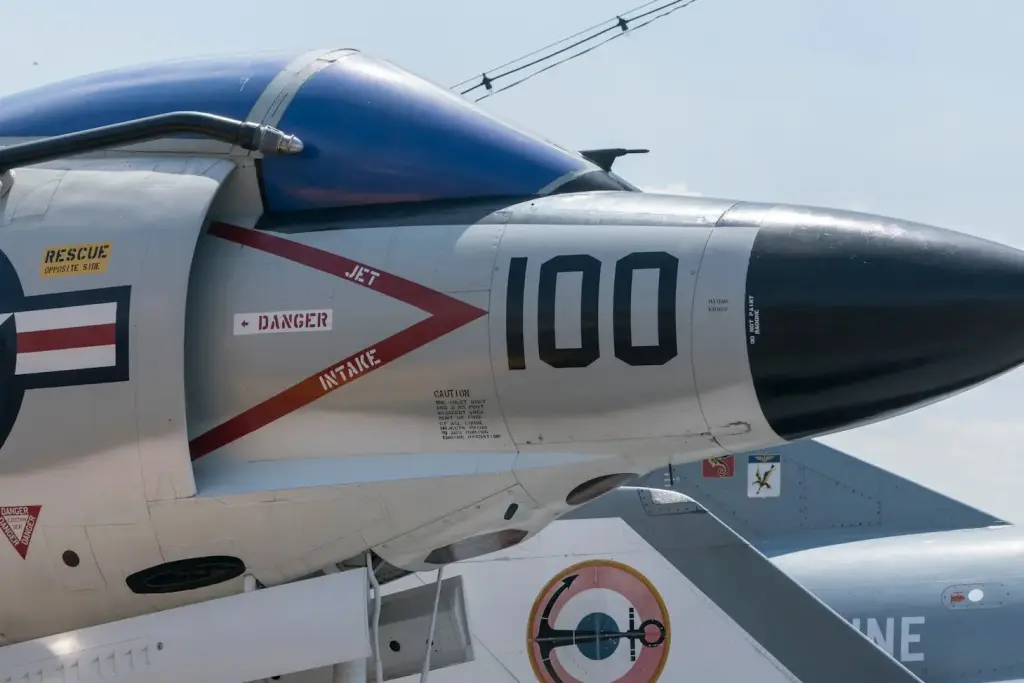
Iran war conflict has reached a critical new phase as the United States announces the deployment of approximately 5,000 sailors and marines to the Middle East, marking the largest single troop movement since the initial escalation began. President Donald Trump has repeatedly stated that America no longer needs allied support to pursue its objectives in the region, a declaration that has sparked debate among military analysts and international observers.
The deployment comes amid intensifying hostilities, with Iranian forces launching attacks on civilian targets including airports across the region. The Strait of Hormuz, a critical chokepoint for global oil shipments, has seen shipping traffic decline significantly as the conflict disrupts international trade routes. According to Reuters, shipping through the strait has dropped dramatically since the conflict intensified.
The U.S. Navy has deployed multiple carrier strike groups to the Persian Gulf, conducting regular patrols through the strategically vital waterway. President Trump has urged allies to help escort ships through the strait, though he has emphasized that the United States can operate independently if necessary, according to AP News reporting.
Military Escalation and Strategic Objectives
The Trump administration has redefined its definition of what constitutes victory in the Iran war, moving away from earlier demands for unconditional surrender toward what officials describe as achieving lasting security objectives. Military commanders have presented the President with multiple off-ramps to end the conflict, though Trump has consistently opted for continued pressure.
Israel has confirmed the elimination of key Iranian military leaders, including security chief Larijani, dealing significant blows to Tehran command structure. The IRGC has reportedly lost control of some areas as coalition forces intensify their campaigns. According to The Guardian, Israeli airstrikes have targeted over 300 locations across Iran and Lebanon.
Iranian missiles continue to strike civilian infrastructure, with Tel Aviv suffering casualties from significant attacks reported by correspondents. The IDF has responded with intensified bombardment of Iranian military facilities, creating what analysts describe as an unprecedented escalation in the decades-long tensions between the two nations.
The U.S. military presence now includes carrier strike groups operating in the Persian Gulf, with American forces conducting regular patrols. The deployment represents a significant escalation of American involvement in the conflict.
Global Implications and Economic Impact
The Iran war economic ramifications are being felt worldwide, with oil prices reaching levels not seen in years. Brent crude has surged past $100 per barrel, with analysts warning that prolonged conflict could trigger a global recession. Bloomberg reports that the International Energy Agency has warned of unprecedented supply disruptions.
Gold prices have soared as investors seek safe-haven assets, while the U.S. dollar faces mounting pressure from the uncertain geopolitical situation. Major financial institutions have downgraded their economic forecasts for the year, citing the Middle East conflict as a primary risk factor.
Germany Chancellor has publicly stated that the Iran war has no military solution, calling for diplomatic engagement instead. This position puts Berlin at odds with Washington, highlighting growing fractures within NATO. Spain Prime Minister has similarly reaffirmed his government opposition to the war, adding to the chorus of European voices questioning the military approach.
UN officials and aid organizations have warned that a prolonged Iran war could cause a record hunger crisis, with humanitarian needs in the region escalating dramatically. The conflict has already displaced hundreds of thousands of people, and infrastructure damage continues to worsen the humanitarian situation across the region.
Intelligence Concerns and Political Fallout
Questions about intelligence gathering have emerged as a significant concern within the administration. The CIA counterterrorism chief has resigned over the Iran war, with former officers describing the move as a powerful statement against the administration approach. NBC News reports that sources indicate U.S. intelligence agencies dont have their act together according to security experts.
The resignation adds to mounting political pressure on the President. Republican leaders have called for clarity on strategic objectives, while progressive members of Congress have demanded accountability for civilian casualties. The British government has expressed alarm at the situation, with students at 27 British universities protesting the conflict.
As the Iran war enters what analysts describe as a moment of grave peril, the international community remains divided on how to proceed. With no clear end in sight, the conflict continues to reshape geopolitical alliances and economic forecasts worldwide.
More at GenZ NewZ War News and World News
Comments 0
No comments yet. Be the first to share your thoughts!
Leave a comment
Share your thoughts. Your email will not be published.