The Heidi Levine attack has pulled a spotlight onto the West Bank olive harvest. The Washington Post photojournalist was beaten by masked Israeli settlers on Friday, October sixteenth, while she covered Palestinian farmers picking olives near the village of Abu Falah, northeast of Ramallah.
The assault was one of many that day. Here is what happened, who was hurt, and why this harvest season keeps turning violent.
What happened in Abu Falah
According to The Guardian, masked settlers carrying clubs and other weapons attacked Palestinians trying to harvest their olives in towns across the West Bank. Around eighty settlers, some with firearms or clubs, gathered in Abu Falah and used slingshots to throw rocks at farmers while Israeli military jeeps were in view.
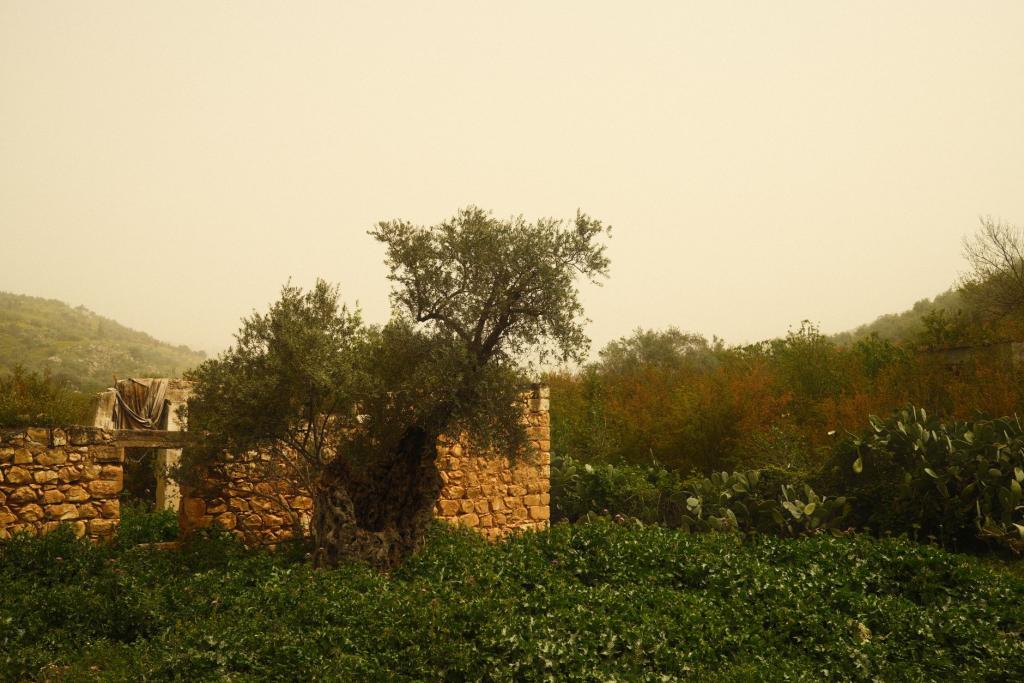
Reuters witnesses, cited by Arab News, said the settlers descended from a hill above a terraced grove where villagers had gathered to pick ripe fruit. That harvest is a cherished yearly tradition in Palestinian life, and it is also a source of income.
The journalist at the center
The Washington Post said Levine was wearing a protective vest clearly marked as press when she was beaten. Video described by Reuters showed her lying on a dirt path with her hands over her face while at least three settlers stood around her.
Speaking from the hospital, Levine told journalists that more than fifty masked settlers with sticks suddenly jumped her, and that her helmet and flak jacket helped. She also told NPR that journalists have felt less safe in the field lately, so several media groups agreed to travel together in a convoy.
The Post's executive editor, Matt Murray, called for an investigation. The Committee to Protect Journalists said it was alarmed and noted that the attack follows a wave of similar incidents against Palestinian and foreign reporters in the West Bank.
Other attacks the same day
The violence was not limited to one village. According to the Los Angeles Times, settlers hit at least eight Palestinian villages, burning cars and olive trees and beating residents, with at least fourteen people injured.
In Turmus Ayya, settlers burned three cars after attacking farmers, and a witness said they snuck up like thieves on a man who was alone. The BBC reported that a local official counted twelve injured, including four dual Palestinian American citizens. One of them, an American named Majdi, needed treatment for deep head wounds after being hit with nail-studded sticks, according to a council member.
Numbers differ by source, which is common in fast-moving events. The Palestine Red Crescent Society told NPR member station KOSU that there were two dozen attacks on olive harvesters that Friday, leaving twenty people hurt.
For readers wondering why the Heidi Levine attack drew such a fast reaction, the answer is partly that she is a veteran American photographer with a major newsroom behind her. Her case made international headlines within hours, while many Palestinian victims of similar assaults rarely get that kind of attention. That imbalance is something press freedom groups keep pointing out, and it shapes how the story spreads online and in diplomatic circles.
The official response
The Times of Israel reported that the Israeli military and police said they are investigating the violence in Abu Falah and the separate Turmus Ayya attack. The US embassy and the Washington Post both criticized the assault. A statement quoted by AFP said there is no higher responsibility than protecting American citizens.
Rights groups argue that accountability is rare. As the Los Angeles Times noted, they say settler attacks have surged and Israeli authorities seldom hold perpetrators responsible.
Why the harvest keeps getting targeted
Tens of thousands of Palestinian families depend on olive groves, so burning trees or blocking access hits livelihoods directly. The United Nations has documented nearly two hundred settler attacks this year, and violence tends to spike during the harvest.
AP also reported that Israel imposed new rules on this year's harvest, barring Palestinians from working in parts of Area C. That adds pressure before any settler even arrives.
Looking ahead, watch for whether the promised investigations lead to arrests, and whether more news organizations change how they cover the West Bank. Catch more on our world coverage.
Comments 0
No comments yet. Be the first to share your thoughts!
Leave a comment
Share your thoughts. Your email will not be published.