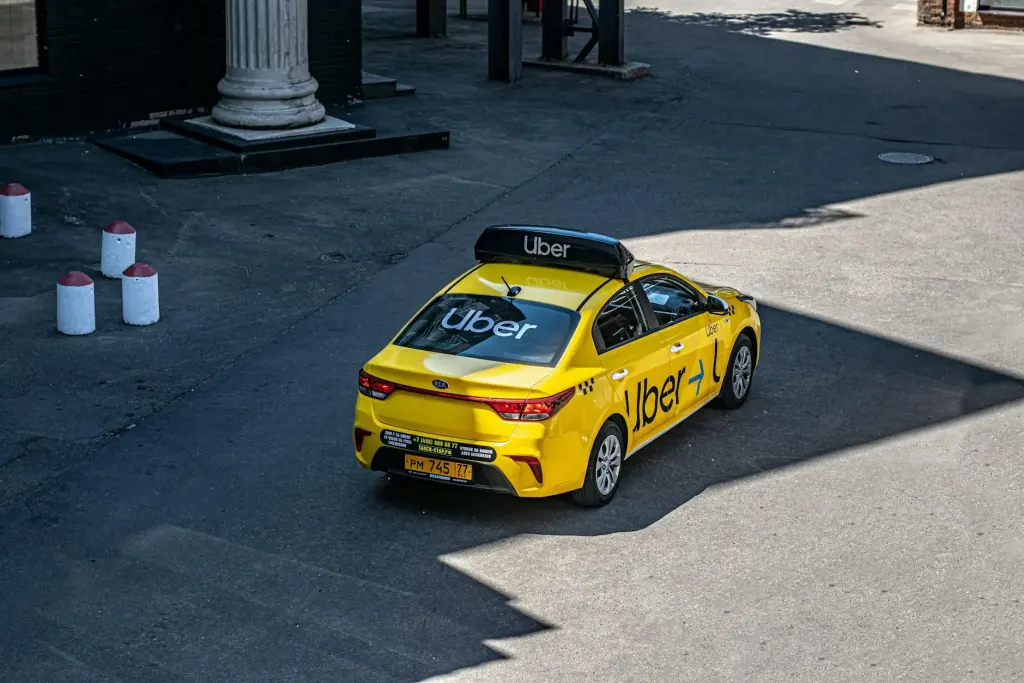
Uber Technologies has announced a significant expansion of its partnership with Nvidia to deploy Level 4 autonomous robotaxis across 28 cities worldwide. The deal, announced at Nvidia's annual GTC conference, represents one of the most ambitious autonomous vehicle rollouts in the ride-hailing industry's history. This strategic collaboration aims to accelerate the adoption of self-driving technology in urban transportation, potentially transforming how millions of people commute daily. According to reports from major financial news outlets, this partnership marks a pivotal moment in the autonomous vehicle industry. The Uber robotaxi initiative represents a major bet on the future of transportation.
The partnership leverages Nvidia's advanced Drive Hyperion AV platform and its Alpamayo reasoning-based AI model, which powers the decision-making capabilities required for complex urban driving scenarios. According to industry analysis from Automotive World, this platform has been specifically designed to handle the unpredictable nature of city traffic, including pedestrians, cyclists, and other vehicles. The technology represents a significant leap forward in autonomous driving capabilities, enabling vehicles to navigate challenging environments without human intervention. The Uber robotaxi service will allow users to hail self-driving vehicles through the existing Uber app.
How the Partnership Works
Under the expanded agreement, Uber will integrate Nvidia's autonomous driving technology into its ride-hailing network, allowing customers to request autonomous rides in participating cities. The companies plan to launch the service initially in select markets before expanding to additional locations. This rollout represents a major milestone in both companies' strategies to capture market share in the autonomous vehicle space, which is projected to be worth hundreds of billions of dollars in the coming decade. The Uber robotaxi initiative aims to make autonomous driving accessible to everyday commuters.
Nvidia's Drive Hyperion platform provides the complete hardware and software infrastructure needed to operate autonomous vehicles, including sensors, computing systems, and AI algorithms. The platform has been adopted by major automakers worldwide, making it one of the most widely deployed autonomous driving solutions. According to technical specifications released at GTC 2026, the platform processes data from over 50 sensors including lidar, radar, and cameras. Uber's decision to partner with Nvidia reflects the company's strategy to leverage best-in-class technology rather than developing proprietary systems independently. For more information on autonomous vehicle technology, visit Automotive World.
Industry Impact and Competition
The Uber-Nvidia partnership intensifies competition in the autonomous vehicle market, particularly against Tesla's ongoing efforts to develop full self-driving technology. Analysts note that Nvidia's success in AI-enabled self-driving technology could potentially challenge Tesla's position as the leading innovator in autonomous driving. The partnership also puts pressure on other ride-hailing competitors like Lyft, which has been developing its own autonomous vehicle strategy. The robotaxi market is expected to grow exponentially as technology improves and regulatory frameworks become more favorable.
The announcement comes amid increasing investment in autonomous vehicle technology from major automakers and technology companies. Several companies, including Waymo, Cruise, and Baidu, have already launched commercial robotaxi services in various cities across the United States and China. The expansion of Uber's autonomous offerings represents a significant competitive response to these developments, positioning the company to compete in an increasingly crowded market. According to market analysts, the global robotaxi market could reach $50 billion by 2030.
Despite the optimistic announcements, challenges remain in the autonomous vehicle industry. Regulatory hurdles, public acceptance, and technical limitations continue to pose obstacles to widespread deployment. However, the Uber-Nvidia partnership demonstrates confidence in the technology's readiness for commercial deployment at scale. As the companies move forward with their expansion plans, the industry will be watching closely to see if autonomous ride-hailing can deliver on its promise of safer, more efficient transportation. The partnership between Uber and Nvidia signals a new era in urban mobility, where robotaxis could become a common sight on city streets worldwide.
Industry experts believe that the success of the Uber robotaxi rollout will depend heavily on regulatory approval and public perception. Some cities have been hesitant to approve autonomous vehicle testing due to safety concerns following high-profile incidents involving self-driving cars. However, proponents argue that autonomous vehicles could significantly reduce traffic accidents caused by human error, which accounts for the vast majority of collisions. The Uber robotaxi service will likely include safety features such as remote monitoring and the ability for passengers to contact support at any time during their journey.
Comments 0
No comments yet. Be the first to share your thoughts!
Leave a comment
Share your thoughts. Your email will not be published.