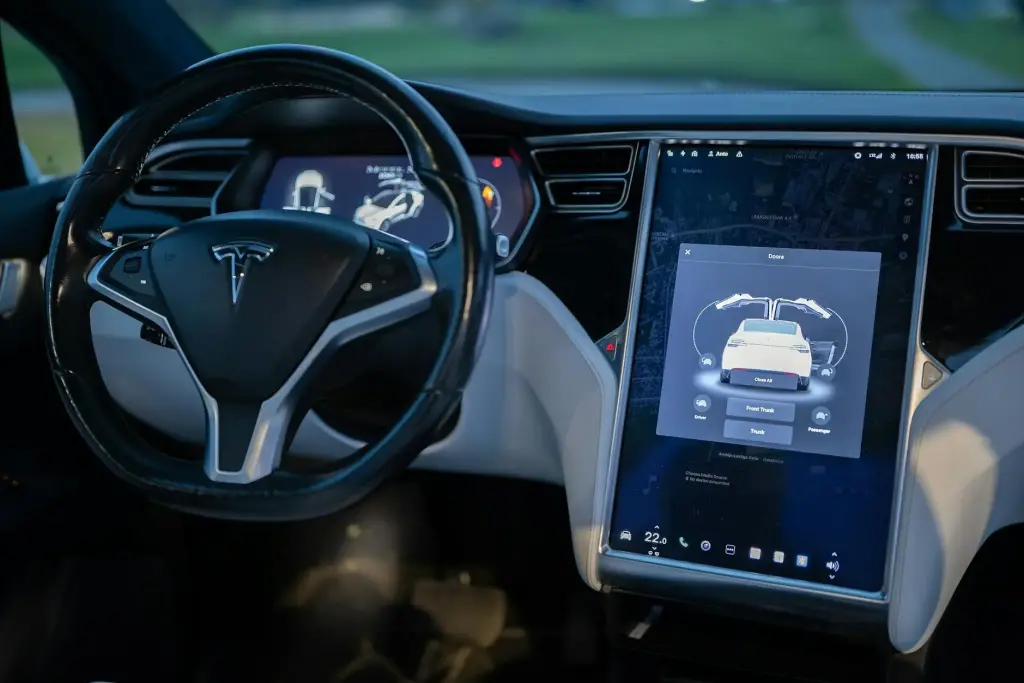
The autonomous vehicle industry reached a significant milestone as Uber announced a partnership with Nvidia to launch robotaxis across 28 cities worldwide. This Uber Nvidia robotaxi deployment represents the largest expansion of autonomous ride-hailing services in history. The collaboration combines Uber's extensive ride-sharing infrastructure with Nvidia's advanced autonomous driving technology. Urban transportation is about to undergo its most significant transformation since the invention of the automobile. This partnership signals that autonomous vehicles are ready for mainstream adoption in ways never before possible. The implications for daily commuting and urban planning are profound and far-reaching.
How the Uber Nvidia Robotaxi Partnership Works
Uber and Nvidia have been working together to integrate Nvidia's Drive AV technology into Uber's ride-hailing platform. The system uses advanced AI algorithms to navigate complex urban environments safely. Nvidia's hardware powers the vehicle perception systems that detect pedestrians, other cars, and obstacles in real-time. The robotaxis will operate initially in select cities before expanding to the full 28-city network. According to industry reporting, riders can request a robotaxi through the existing Uber app, making the experience seamless for millions of users. More details are available at https://www.reuters.com/technology/uber-nvidia-robotaxi-launch-28-cities/.
The deployment covers major metropolitan areas across North America, Europe, and Asia. Each city has been carefully selected based on regulatory approval and infrastructure readiness. Local transportation authorities have been working with both companies to ensure safe integration into existing traffic patterns. The robotaxis operate without human safety drivers, representing a vote of confidence in the technology's reliability. This expansion demonstrates that autonomous vehicles have crossed a critical threshold in public acceptance and technological maturity. The Uber Nvidia robotaxi initiative represents years of development and testing.
Impact on Transportation
The launch of Uber Nvidia robotaxis in 28 cities will fundamentally change how people think about urban mobility. Traditional taxi and ride-sharing services face unprecedented competition from autonomous alternatives that operate 24 hours a day without driver breaks. The technology offers potential benefits including reduced costs, increased availability, and improved safety for all road users in busy metropolitan areas. Autonomous vehicles do not suffer from human fatigue or distraction, potentially reducing accidents caused by human error significantly. However, the transition also raises concerns about job displacement for professional drivers worldwide who may find their skills less in demand.
Urban planners are enthusiastic about the potential for robotaxis to reduce traffic congestion and parking demand in major cities that struggle with gridlock daily. Studies suggest that autonomous ride-sharing could decrease the number of vehicles on city streets significantly in the coming years and decades. The technology enables more efficient routing and the potential for shared trips between multiple passengers heading in similar directions simultaneously. Environmental benefits may include reduced emissions as autonomous vehicles optimize their driving patterns for maximum fuel efficiency through AI. Cities around the world are preparing infrastructure adjustments to accommodate autonomous vehicles safely and efficiently through smart city initiatives.
The economic implications of the Uber Nvidia robotaxi deployment extend beyond individual transportation choices. Real estate developers are already considering how robotaxis might change demand for parking structures in urban centers. Insurance companies are developing new actuarial models for autonomous vehicle coverage and liability in accident scenarios. The technology could enable new business models for mobility-as-a-service that transform how people access transportation in everyday life.
Challenges Ahead
Despite the promising launch of Uber Nvidia robotaxis, significant challenges remain for the robotaxi industry worldwide that must be addressed. Regulatory frameworks vary widely between jurisdictions and create complexity for nationwide and international deployments across different regions. Some communities have expressed concerns about safety and the reliability of autonomous systems in adverse weather conditions like heavy rain, snow, or fog. Insurance frameworks need updating to address liability in accidents involving autonomous vehicles without human drivers behind the wheel. Public trust remains a significant barrier to widespread adoption of self-driving cars in many regions around the world.
Technical challenges include perfecting vehicle navigation in complex scenarios like construction zones and emergency situations involving police or ambulances requiring immediate response. The AI systems must make split-second decisions that could mean the difference between safety and disaster on busy city streets filled with pedestrians. Continuous improvement of the underlying technology is essential for maintaining public confidence in autonomous driving systems over the long term. Both companies have committed to ongoing investment in research and development to address these challenges comprehensively through advanced machine learning. The success of this massive rollout will shape the future of autonomous transportation globally for generations to come in ways we are only beginning to understand.
Comments 0
No comments yet. Be the first to share your thoughts!
Leave a comment
Share your thoughts. Your email will not be published.